



How We Rank Listings
Every facility in the Santa Barbara directory is listed using the same objective criteria, so no center can pay for a higher position. We prioritize verified licensing and accreditation, the range of care levels a facility offers, the payment types and insurance plans it accepts, and the specialty programs available for specific populations.
Where a facility holds accreditation from a recognized body such as The Joint Commission, we indicate the credential. We combine this information with location data so you can see which programs are genuinely close to you and what each one offers before you make a call.
Listings are reviewed and updated as facilities change their services, accepted payment methods, or contact details. Our goal is a directory you can trust to be current, accurate, and free of pay-to-play placement.
Rehab in Santa Barbara: What to Know
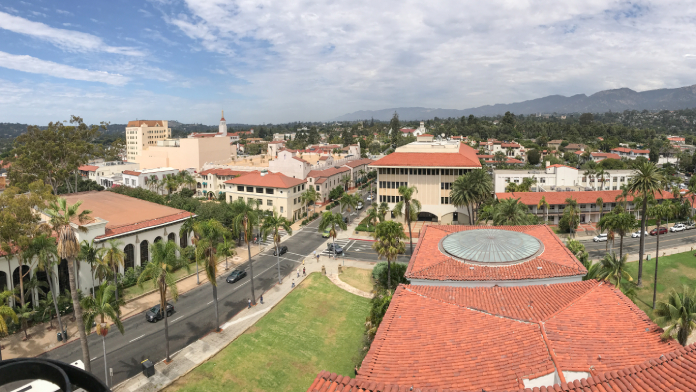
Santa Barbara sits on California’s Central Coast and anchors the southern, coastal end of Santa Barbara County. The directory lists 30 treatment facilities in and around the city, spanning medical detox, residential care, and outpatient services.
Santa Barbara County Department of Behavioral Wellness coordinates public treatment in the county, which runs the Alcohol and Drug Program and contracts with local nonprofits to deliver prevention, treatment, and recovery services. If you are comparing options beyond the city, the full California rehab directory lists programs statewide.
The county’s Behavioral Wellness Access Line at (888) 868-1649 operates 24 hours a day and can connect residents with a provider, including through Drug Medi-Cal for people who qualify.
Local health plan CenCal Health covers mild-to-moderate outpatient mental health care for Medi-Cal members, while the county covers specialty mental health and substance use disorder benefits.
Established local providers include the Council on Alcoholism and Drug Abuse (CADA), which has served the county since 1949 and operates a residential withdrawal management center along with outpatient programs.
Fentanyl has driven local overdose deaths for several years, though the trend has recently reversed. Santa Barbara County recorded 158 overdose deaths at its 2023 peak, then saw that number fall to 96 in 2024 and 93 in 2025, a decline officials credited to naloxone distribution, expanded treatment, and enforcement.
Roughly 79% of the county’s opioid-related overdose deaths have been linked to fentanyl. For anyone weighing whether a substance requires medically supervised care, understanding opioid use disorder and the general addiction treatment options available is a useful starting point.
Because Santa Barbara is a coastal community with a college population at nearby UC Santa Barbara, local treatment demand includes younger adults alongside long-term residents with chronic substance use histories.
Several facilities in the directory serve young adults, and the city’s programs range from short-term stabilization to longer residential stays.
Cost of Rehab in Santa Barbara
Treatment cost depends far more on the level of care, length of stay, and whether you use insurance than on the specific city. Treatment-cost data puts the average full rehab episode in California at roughly $50,000, with detox and residential care at the higher end and outpatient services considerably lower.
Because Santa Barbara has a higher cost of living than much of California, private-pay pricing at local facilities tends to be at or above these state averages. Public and sliding-scale options, described below, exist specifically to lower that barrier.
Verifying your rehab benefits before you commit is the single most useful step for understanding what you will actually pay.
Several factors move a given program above or below these figures:




How to Pay for Rehab in Santa Barbara
The 30 facilities in the Santa Barbara directory accept a mix of payment types, and most people combine more than one. Self-payment is the most widely accepted method, but private insurance, Medi-Cal, Medicare, and financial-assistance options all appear across local programs. The county’s public system exists specifically to serve residents who cannot pay privately.






Coverage rules differ by program type, so the right first call depends on how you plan to pay. The subsections below outline the most common paths for Santa Barbara residents.
Medicare
Medicare covers medically necessary addiction treatment for eligible residents, generally through Part A for inpatient hospital-based care and Part B for outpatient services, including certain intensive outpatient programs.
Six facilities in the Santa Barbara directory accept Medicare. Coverage still depends on medical necessity and the setting, so it is worth confirming the specifics before you enroll in a program. Our guide to using insurance for rehab walks through how to check what a plan covers.
Medi-Cal
California’s Medicaid program, Medi-Cal, is administered locally through CenCal Health, and the county’s Drug Medi-Cal system offers substance use disorder benefits.
Six directory facilities accept Medi-Cal. Residents who qualify can reach covered treatment through the Behavioral Wellness Access Line at (888) 868-1649, which operates around the clock. Medi-Cal covers a range of services including outpatient treatment, withdrawal management, and opioid treatment programs.
When a program includes medication-assisted treatment such as methadone or buprenorphine, Medi-Cal generally covers those medications through the county system.
Military Benefits
Four facilities in the directory accept TRICARE, the health program for active-duty service members, veterans, and their families. Veterans in the Santa Barbara area may also access care through the VA. For a fuller picture of benefits and veteran-specific programs, see our rehab resources for veterans.
Insurance and Private Pay
Thirteen facilities accept private health insurance, and 26 accept self-payment. If you have an employer or marketplace plan, confirming your in-network options first usually produces the lowest out-of-pocket cost. Many facilities offer free benefit verification, which tells you what a plan will cover before you enroll.
Other Low-Cost Options
Five facilities offer sliding-scale fees that adjust based on income, and six offer some form of financial assistance. The county’s contracted providers, including CADA, provide low-cost outpatient treatment and generally do not turn people away for inability to pay.
Free Treatment Programs
Three directory facilities offer free treatment, and additional free or low-cost care is available through the county’s publicly funded system and local nonprofits. If cost is the main barrier, ask providers directly about scholarships or grant-funded slots, and see our guide to rehab scholarships for other ways to cover care.
Major insurance carriers accepted across California treatment programs include:
- Aetna
- Anthem Blue Cross
- Blue Shield of California
- CenCal Health
- Cigna
- Health Net
- Kaiser Permanente
- UnitedHealthcare
Levels of Care Available in Santa Barbara
Santa Barbara’s 30 facilities cover the core levels of addiction care, including 6 medical detox programs, 17 inpatient rehab programs, and 21 standard outpatient clinics. Seventeen programs treat co-occurring mental health and substance use conditions, and 12 sober living homes support the transition back to daily life.




Medical detox is often the first step for people physically dependent on alcohol or opioids. Supervised detox manages withdrawal safely with medical staff on hand, which matters most for substances where withdrawal can be dangerous.
Inpatient rehab provides 24-hour care in a residential setting, typically for 30 to 90 days. Residential treatment suits people who need to step away from their environment to focus fully on recovery.
Partial hospitalization offers intensive daytime treatment while allowing clients to return home in the evenings. PHP treatment can serve as a step down from inpatient care or a step up from standard outpatient services.
Outpatient rehab lets people receive treatment while keeping up work, school, or family responsibilities. Outpatient programs range from a few hours a week to more structured schedules.
Dual diagnosis programs treat addiction alongside conditions such as co-occurring depression or anxiety, which frequently occur together and are more effective to treat at the same time.
Sober living homes provide a substance-free residence for people continuing their recovery after a treatment program. This kind of continuing care helps bridge the gap between structured treatment and independent living.
Specialty Programs in Santa Barbara
Many Santa Barbara facilities tailor treatment to specific populations and substances, which can make care feel more relevant and effective. The counts below reflect programs in the directory that identify a particular specialty focus.






Alcohol remains the most common reason people enter treatment locally, and 25 programs focus on alcohol use disorder. With fentanyl driving the county’s overdose deaths, 20 programs address opioid use disorder specifically.
For the county’s large young adult and college population, 23 programs serve younger clients, and our resource on young adult and college student substance use offers additional context.
Three programs provide LGBTQ+ affirming addiction care, and two offer dedicated rehab resources for veterans and military members.
Free and Low-Cost Rehab Resources in Santa Barbara
Beyond the treatment facilities in the directory, Santa Barbara has a network of free and low-cost resources for crisis support, harm reduction, and public treatment. The organizations below serve residents regardless of ability to pay. If you or someone you know is in immediate danger, call 911.
Crisis and Access Lines
- 988 Suicide & Crisis Lifeline
https://www.samhsa.gov/mental-health/988
Free, confidential crisis support. See our crisis support resources for what to expect when you reach out. - Santa Barbara County Behavioral Wellness Access Line
https://www.countyofsb.org/bw-access-line
Available 24 hours a day to connect residents with mental health and substance use services, including Drug Medi-Cal. - SAMHSA National Helpline
https://www.samhsa.gov/find-help/helplines/national-helpline
Free, confidential, 24/7 treatment referral and information service.
County Health Department
- Santa Barbara County Department of Behavioral Wellness, Alcohol and Drug Program
https://www.countyofsb.org/bw-behavioral-wellness
Coordinates public treatment and contracts with local providers. Services are offered on a sliding fee scale based on ability to pay.
Community Nonprofits
- Council on Alcoholism and Drug Abuse (CADA)
https://www.cadasb.org/
Serving Santa Barbara County since 1949, CADA operates a residential withdrawal management center and outpatient programs, accepts Medi-Cal and CenCal Health, offers sliding-scale fees, and states that no one is turned away for inability to pay.
Harm Reduction
- Pacific Pride Foundation pacificpridefoundation.org/harm-reduction
Operates Santa Barbara County’s only syringe services program and distributes free naloxone (Narcan) and fentanyl test strips at its Santa Barbara and Santa Maria offices and mobile sites.
Government and Medi-Cal
- CenCal Health
cencalhealth.org
The local Medi-Cal managed care plan for Santa Barbara County. Covers mild-to-moderate outpatient behavioral health; substance use disorder benefits are coordinated with County Behavioral Health.
Drug and Alcohol Use Statistics in Santa Barbara
Santa Barbara County’s overdose deaths have fallen sharply since their 2023 peak, one of the steeper declines in California.
County officials attribute the drop to widespread naloxone availability, expanded treatment access, and intensified enforcement, though fentanyl remains the leading driver of fatal opioid overdoses locally.
The figures below come from the Santa Barbara County Sheriff’s Office and county public health reporting.
The improvement has reached some of the county’s most affected groups. Overdose deaths among unhoused residents fell from 51 in 2023 to 20 in 2025.
Local harm reduction efforts have expanded alongside these numbers, with Pacific Pride Foundation distributing more than 4,000 doses of naloxone a year through the county’s only syringe services program.
For national context on how these local figures compare, see our overview of national substance use statistics.
Resources
- Santa Barbara Independent. (2026). Drug Overdose Deaths Drop Sharply in Santa Barbara County. https://www.independent.com/2026/03/13/drug-overdose-deaths-drop-sharply-in-santa-barbara-county/
- KCBX. (2026). Overdose deaths drop sharply in Santa Barbara County since 2023 peak. https://www.kcbx.org/central-coast-news/2026-03-11/overdose-deaths-drop-sharply-in-santa-barbara-county-since-2023-peak
- edhat. (2026). Santa Barbara County Overdose Deaths Decline Sharply Since 2023 Peak. https://www.edhat.com/news/santa-barbara-county-overdose-deaths-decline-sharply-since-2023-peak/
- Santa Barbara County Department of Behavioral Wellness. (2025). Alcohol & Drug Programs. https://www.countyofsb.org/531/Alcohol-Drug-Programs
- CenCal Health. (2025). Behavioral Health. https://www.cencalhealth.org/members/behavioral-health/
- Council on Alcoholism and Drug Abuse (CADA). (2026). About CADA. https://www.cadasb.org/
- Pacific Pride Foundation. (2024). Syringe Services and Naloxone Information. https://pacificpridefoundation.org/harm-reduction/
- National Center for Drug Abuse Statistics. (2024). Average Cost of Drug Rehab by Type and State. https://drugabusestatistics.org/cost-of-rehab/