






How We Rank Listings
Our Phoenix directory pulls every licensed facility listed in the SAMHSA national treatment locator, then layers on accreditation status, level-of-care coverage, payment options and specialty programs so families can filter the field down to programs that actually fit their situation. Listings are organized to surface the information most often used during a real intake call: what insurance is accepted, whether medical detox is on site, which populations the program is designed for and what accreditation bodies have reviewed the facility. We prioritize programs accredited by The Joint Commission or CARF International, programs licensed by the Arizona Department of Health Services and programs that publish clear admissions criteria.
- Level of care: detox, inpatient, partial hospitalization, intensive outpatient, standard outpatient, sober living
- Payment: self-pay, private insurance, AHCCCS (Arizona Medicaid), Medicare, TRICARE, sliding-scale, financial assistance
- Accreditation and licensing status
- Specialty programs for women, men, LGBTQ+ adults, veterans, young adults, and older adults
We do not accept payment for placement in the directory. Listings update as facilities open, close or change their service offerings.
Rehab in Phoenix: What to Know
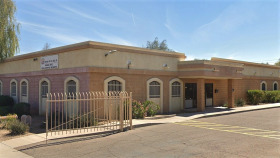
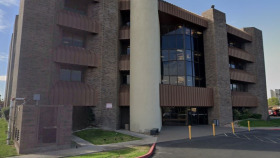
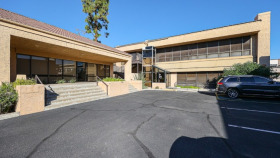
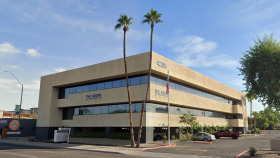
Phoenix is the county seat of Maricopa County, the state capital, and the fifth-largest city in the United States by population. It anchors the Phoenix-Mesa-Chandler metropolitan area, which the federal government classifies as a large central metro and which contains the majority of the state’s behavioral health infrastructure. Our directory lists 130 licensed rehab facilities serving Phoenix and the surrounding metro, including 44 with on-site medical detox, 51 with inpatient programs and 108 offering some form of outpatient care. Families can also browse the full Arizona rehab directory for programs in nearby cities like Mesa, Scottsdale, Glendale and Tempe.
Maricopa County’s behavioral health system runs through AHCCCS, the Arizona Health Care Cost Containment System, with Mercy Care ACC-RBHA acting as the regional behavioral health agreement plan for Maricopa, Pinal and Gila counties. Major nonprofit and hospital providers operating in the metro include Banner Health, Valleywise Health, Community Bridges, Inc. (CBI), Terros Health and Native American Connections. The Maricopa County Department of Public Health runs an Overdose Fatality Review Board that publishes annual prevention recommendations, and the Maricopa County Superior Court operates an Adult Drug Court Program as a treatment-focused alternative to incarceration for nonviolent drug-related offenses.
The metro is in the middle of a fentanyl-driven overdose crisis. In 2024, fentanyl was involved in 59% of fatal overdoses in Maricopa County, and methamphetamines were involved in 67%, with poly-substance overdoses now the dominant pattern. Phoenix-area programs increasingly screen for both opioid and stimulant use at intake, and many residential providers are equipped to manage withdrawal from fentanyl and other synthetic opioids alongside co-occurring mental health conditions.
For people new to the search, the range of addiction treatment options in Phoenix is unusually deep for a single metro. For example, there are dedicated programs for veterans at the Phoenix VA, large tribally affiliated providers serving Native American Connections and Indian Health Service members, faith-based residential campuses and dozens of licensed medication-assisted treatment clinics. The right starting point depends on insurance, the substances involved, whether medical detox is needed and whether there is a co-occurring mental health condition.




Cost of Rehab in Phoenix
The cost of treatment in Phoenix varies widely by level of care, length of stay, insurance status and whether the program offers luxury amenities. Statewide averages give the clearest picture for what to expect. Phoenix sits near or slightly above the Arizona average because it concentrates most of the state’s residential and specialty programs, including several higher-amenity facilities in the surrounding Scottsdale and Paradise Valley areas. Most people with insurance pay only a fraction of the published cost. Be sure to check your insurance benefits early in the search, as this is often the single biggest factor in the final out-of-pocket number. Our overview of how to verify your rehab benefits walks through that process.
What drives the cost of treatment in Phoenix






How to Pay for Rehab in Phoenix
The 130 licensed facilities in our Phoenix directory accept a wide mix of payment methods. Self-payment and private insurance are the most common; AHCCCS coverage is accepted by more than half of facilities; and a meaningful share of programs offer sliding-scale fees or financial assistance for people who do not qualify for Medicaid and do not have private insurance.






Medicare
Medicare is the federal health insurance program for adults 65 and older and people with qualifying disabilities. Both Medicare Part A (hospital insurance) and Part B (medical insurance) cover addiction treatment when provided by a Medicare-approved facility. This includes inpatient detox, residential rehab in certain settings and outpatient counseling and screening. Part D covers medications used in treatment. Of the 130 facilities in our Phoenix directory, 51 accept Medicare. Out-of-pocket costs depend on whether the person has a supplemental plan or a Medicare Advantage plan. For a deeper overview, see our guide to using insurance for rehab.
Medicaid (AHCCCS)
Arizona Medicaid is administered as the Arizona Health Care Cost Containment System (AHCCCS) and covers substance use disorder treatment under the Mental Health Parity and Addiction Equity Act. In Maricopa County, behavioral health benefits for most AHCCCS members are delivered through Mercy Care ACC-RBHA, which contracts with community mental health centers, mobile crisis teams and licensed treatment programs across the metro. AHCCCS covers medically supervised detox, residential and inpatient care, intensive outpatient and standard outpatient programs, individual and group counseling and medication-assisted treatment for opioid use disorder. Eligibility is income-based and also extends to children, pregnant women, older adults and people with certain disabilities. Of the 130 facilities in our Phoenix directory, 74 accept AHCCCS.
Military Benefits
TRICARE is the health care program for active-duty service members, retirees, National Guard and Reserve members and their families. Twenty-eight facilities in our Phoenix directory accept TRICARE. Veterans enrolled with the Department of Veterans Affairs can also receive substance use treatment directly through the Phoenix VA Health Care System, which operates a Substance Use Disorder Treatment Program and a Domiciliary residential program at its main campus on East Indian School Road. Additional resources for service members and their families are listed on our rehab resources for veterans page.
Insurance and Private Pay
Ninety facilities in our Phoenix directory accept private health insurance, and most of these accept several major in-state and national carriers. Coverage and out-of-pocket cost depend on the plan’s deductible, coinsurance and in-network providers. Confirming benefits before admission, asking the facility about prior authorization and understanding whether the program is in-network are the three steps that most strongly predict the final cost.
- Aetna
- Banner Aetna
- BCBSAZ
- BCBSAZ Health Choice
- Cigna
- Humana
- Mercy Care
- UnitedHealthcare
Other Low-Cost Options
Twenty-nine Phoenix-area facilities offer sliding-scale fees that adjust the cost of care based on income, and 53 offer some form of financial assistance for people who do not qualify for Medicaid and do not have private insurance. Twenty-three facilities offer financing or payment plans that spread the cost across the length of treatment. People paying out-of-pocket can also ask whether a facility has scholarship beds or grant-funded slots; availability changes often.
Free Treatment Programs
Three facilities in our Phoenix directory offer fully free treatment to qualifying clients, typically through grant funding, state contracts or charitable foundations. The state of Arizona also funds a network of providers that offer subsidized or no-cost treatment to low-income residents who do not have insurance and do not qualify for AHCCCS. People without coverage can also explore rehab scholarships from private foundations and recovery-focused nonprofits.
Levels of Care Available in Phoenix
Our Phoenix directory includes 44 facilities offering medical detox, 51 with inpatient or residential programs, 8 with partial hospitalization programs, 3 with formal intensive outpatient programs, 108 with standard outpatient services, 90 with co-occurring (dual diagnosis) treatment and 17 sober living homes. Most people moving through Phoenix-area treatment pass through more than one level of care over the course of recovery.





Medical Detox
Medical detox involves a short stay (typically 3 to 10 days) in a facility where withdrawal symptoms are managed by clinical staff. It is often the first step for people with significant alcohol, opioid or benzodiazepine dependence, where unsupervised withdrawal can be medically dangerous.
Inpatient Rehab
Residential or inpatient rehab programs in Phoenix run from short-term 28-day stays to long-term 90-day or longer programs. Residents live on site, follow a structured daily schedule of group and individual therapy and have 24-hour clinical support. This level of care fits people with moderate to severe substance use disorders or those leaving an unstable home environment.
Partial Hospitalization Programs (PHP)
Partial hospitalization is a high-intensity day program. Participants attend treatment six to eight hours a day, five or more days a week, then return home or to sober housing in the evening. PHP is a common step down from residential care and a step up from intensive outpatient. See our overview of PHP treatment for details.
Intensive Outpatient and Standard Outpatient
Intensive outpatient programs (IOPs) typically involve three to four group sessions per week plus individual counseling, while standard outpatient involves a lower-intensity weekly schedule. Both let people keep working, attending school or caring for family during treatment. Read more about outpatient rehab and how to tell whether it is the right level of care.
Dual Diagnosis (Co-Occurring Disorders)
Ninety Phoenix-area facilities are equipped to treat substance use disorders alongside co-occurring mental health conditions such as depression, anxiety, PTSD or bipolar disorder. Integrated treatment, where both conditions are addressed by the same clinical team, has stronger outcomes than treating either condition alone.
Sober Living and Aftercare
Sober living homes provide a structured, substance-free residence after formal treatment ends. Phoenix has 17 facility-affiliated sober living options in our directory, with many more independent operators across the metro. Most people pair sober living with outpatient counseling, peer support or other forms of rehab aftercare for the first 6 to 12 months in recovery.
Behavioral Therapies
Across every level of care, Phoenix programs draw on evidence-based addiction therapy approaches including cognitive behavioral therapy (CBT), motivational interviewing, contingency management, family therapy and trauma-focused therapy. Most programs blend several modalities based on individual assessment.
Specialty Programs in Phoenix
Most Phoenix-area facilities serve a general adult population, but the metro also has dozens of programs designed around specific populations and substance use patterns. The counts below reflect the number of facilities in our directory that report serving each group.







Free and Low-Cost Rehab Resources in Phoenix
The resources below are run by government agencies, accredited health systems and established nonprofits with a verifiable Phoenix presence. Many are free; the rest charge on a sliding scale or accept AHCCCS. None of these listings are paid placements.
Crisis Lines
If you or someone you know is in immediate danger, call 911. For mental health and substance use crises that do not require emergency medical response, the following lines are answered 24 hours a day. Additional suicide prevention resources are available year-round.
- 988 Suicide and Crisis Lifeline: Call or text 988 (national, 24/7)
- Arizona Statewide Crisis Line (Solari Crisis Response Network): 1-844-534-HOPE (1-844-534-4673), text 4HOPE (44673), or chat at crisis.solari-inc.org
- SAMHSA National Helpline: 1-800-662-HELP (4357), free, confidential, 24/7 treatment referral in English and Spanish
- Arizona Overdose Assistance Referral Line: 1-800-688-4222, 24/7
- Never Use Alone: 1-800-484-3731 (English), 1-800-928-5330 (Spanish)
- Teen Lifeline (Arizona): 602-248-TEEN (8336) or 1-800-248-8336
Maricopa County Department of Public Health
The Maricopa County Department of Public Health (MCDPH) publishes overdose surveillance data, runs the Overdose Fatality Review Board and operates the SafeCare1 Behavioral Health Crisis Center. Public Health: 4041 N Central Ave, Phoenix, AZ 85012. Phone: 602-506-6900. Web: maricopa.gov
Community Health and Nonprofit Providers
- Community Bridges, Inc. (CBI): Integrated behavioral health, detox, residential, outpatient and crisis services across the metro. 877-931-9142. communitybridgesaz.org.
- Terros Health: Integrated primary care and behavioral health, MAT, outpatient counseling. 602-685-6000. terroshealth.org
- Native American Connections: Culturally specific substance use and behavioral health programs serving Native and non-Native clients. 602-254-3247. nativeconnections.org.
- Valleywise Health Behavioral Health Center: safety-net behavioral health and substance use services. 602-344-5011. valleywisehealth.org
- Salvation Army Phoenix Adult Rehabilitation Center: long-term residential program at no cost to qualifying participants. 1-800-SATRUCK (728-7825). satruck.org.
Harm Reduction
Harm reduction services reduce the immediate health risks of drug use, including overdose, HIV and hepatitis C, while keeping the door open to treatment for people who are not yet ready to stop.
- Sonoran Prevention Works: the largest community distributor of naloxone in the United States, operating syringe service program sites across Maricopa County and a statewide naloxone-by-mail program. spwaz.org
- NEXT Distro (mail-based naloxone): nextdistro.org
- Arizona Naloxone Distributor Locator: spwaz.org/arizonanaloxone.
Veterans and Military
- Phoenix VA Health Care System Substance Use Disorder Treatment Program: 650 E Indian School Rd, Building 31, Phoenix, AZ 85012. 602-277-5551 or 1-800-554-7174. va.gov/phoenix-health-care/
- Veterans Crisis Line: Dial 988 then press 1, or text 838255.
- Vet Centers (Phoenix and Mesa): Readjustment counseling for combat veterans and their families. va.gov/find-locations.
Government and Medicaid
- AHCCCS (Arizona Medicaid): 1-855-432-7587. azahcccs.gov
- Mercy Care ACC-RBHA member services (Maricopa County behavioral health plan): 1-800-564-5465 (member services), 1-844-534-HOPE (crisis line). mercycareaz.org
- SAMHSA FindTreatment.gov: Federal treatment locator covering every state-licensed program. findtreatment.gov
- 211 Arizona: Dial 211 from any Arizona phone, or 1-877-211-8661. Information and referral for housing, food, health care and behavioral health. 211arizona.org
Faith-Based and Recovery Community Organizations
- Teen Challenge of Arizona: Faith-based residential program for adults and adolescents. 1-800-346-7859. tcaz.org
- Catholic Charities Community Services (Arizona): Substance use counseling, housing, and family support. 602-997-6105. catholiccharitiesaz.org
- Southwest Recovery Alliance: Peer-led recovery community organization.southwestrecoveryalliance.org/
- Phoenix Area Intergroup (Alcoholics Anonymous): 602-264-1341. aaphoenix.org.
- Narcotics Anonymous Arizona Region: 480-897-4636. arizona-na.org.
University and Student Services
- Arizona State University Counseling Services: Mental health and substance use support for ASU students. 480-965-6146. eoss.asu.edu/counseling
- Grand Canyon University Office of Student Care: Student support including substance use referrals. 602-639-7007. gcu.edu
Drug and Alcohol Use Statistics in Phoenix
Maricopa County, which contains Phoenix, is one of the five Arizona counties with opioid overdose death rates above the state average. The data below reflects the most recent confirmed reporting period from county and state sources.
Resources
- Maricopa County Department of Public Health. (2025). Overdose Data Dashboard. https://www.maricopa.gov/6205/Overdose-Data
- Maricopa County Department of Public Health. (2025). Overdose Fatality Review Board Annual Report, Overdose Deaths Occurred in 2023. https://www.maricopa.gov/DocumentCenter/View/118657/
- Arizona Department of Health Services. (2025). Opioid Overdoses Surveillance Report, Arizona 2023. https://www.azdhs.gov/opioid/documents/opioid-report-2023.pdf
- Arizona Department of Health Services. (2025). Methamphetamine-Related Overdose Deaths in Arizona, preliminary data as of June 5, 2025.
- Maricopa County Department of Public Health. (2025). Alcohol Death Data. https://www.maricopa.gov/6235/Alcohol-Death-Data
- Centers for Disease Control and Prevention. (2025). Alcohol-Related Disease Impact (ARDI) Application, Arizona state profile.
- Centers for Disease Control and Prevention. (2023). Behavioral Risk Factor Surveillance System, Arizona prevalence data.
- Substance Abuse and Mental Health Services Administration. (2025). National Helpline and FindTreatment.gov. https://www.samhsa.gov
- Arizona Health Care Cost Containment System (AHCCCS). (2025). Behavioral health services. https://www.azahcccs.gov
- Mercy Care ACC-RBHA. (2025). Maricopa County behavioral health services. https://www.mercycareaz.org/acc-rbha/
- Solari Crisis Response Network. (2025). Arizona Statewide Crisis Line. https://crisis.solari-inc.org
- Sonoran Prevention Works. (2025). Arizona naloxone distribution and syringe services. https://spwaz.org
- Phoenix VA Health Care System. (2025). Substance Use Disorder Treatment Program. https://www.va.gov/phoenix-health-care/
- Judicial Branch of Arizona in Maricopa County. (2025). Adult Probation Drug Court Program. https://superiorcourt.maricopa.gov
- 211 Arizona, a program of Solari. (2025). Information and referral services. https://211arizona.org