






Expert Insights
Milwaukee County will receive $71 million from the state opioid settlement. There are many projects on the table to spend these funds. Programs include those for the elderly, the homeless, and individuals with an opioid use disorder. But what about youth? The only program listed among the proposed projects is designed for youth already in detention. The goal is to provide opiate abuse services for youth returning to the community after detention. While this is a good aim, are we beefing up efforts to prevent kids from taking drugs before they end up in detention? Milwaukee kids are at risk of substance abuse: the percentage of Wisconsin teens who drink exceeds the national average. These youth need programs that turn them away from substance abuse at a young age.
How We Rank Listings
Addictions.com organizes Milwaukee treatment providers to help you compare real options quickly, not to sell placement. Listings draw on public licensing and accreditation records, facility-reported program details, and directory data on the levels of care, specialties, and payment types each center offers.
We prioritize centers that carry recognized third-party accreditation, hold current state licensure, and publish clear information about their services and how to pay. Where possible, we note whether a program offers medically supervised detox, residential care, outpatient options, and support for co-occurring mental health conditions. Facility profiles are reviewed and updated as new information becomes available, and no provider can pay to change its position in the results.
Rehab in Milwaukee: What to Know
Milwaukee is Wisconsin’s largest city and the seat of Milwaukee County, with about 560,000 residents inside the city and roughly 1.57 million across the wider metro area. That scale concentrates most of the region’s addiction treatment capacity here: the Addictions.com directory lists 51 rehab facilities in Milwaukee, spanning medical detox through long-term outpatient care. For a broader look at options across the state, see the Wisconsin rehab directory.
Publicly funded care in the county runs through Milwaukee County Behavioral Health Services and its Community Access to Recovery Services (CARS) program, which has coordinated substance use and mental health care for county residents for more than 30 years. CARS works through community-based access points rather than a single central hospital, a shift that followed the county’s move away from its former institutional Mental Health Complex toward a neighborhood-based model. Uninsured and underinsured residents can start at one of the county’s Access Clinics, which provide assessments, medication bridge evaluations, peer support, and referrals regardless of ability to pay.
The county has also invested heavily in overdose response. Using opioid settlement dollars, Milwaukee County placed a network of free harm reduction vending machines across high-need areas, stocking naloxone, fentanyl and xylazine test strips, and medication lock bags. These treatment and prevention efforts reflect a coordinated public health push that has coincided with two consecutive years of falling overdose deaths.
Substance use patterns in Milwaukee have shifted in ways that shape what treatment seekers face locally. Fentanyl remains the dominant driver of fatal overdoses, but in 2024 cocaine was involved in more overdose deaths than fentanyl for the first time since 2016, and the tranquilizer xylazine has entered the local drug supply. Alcohol is a parallel and long-standing concern statewide: Wisconsin reports one of the highest binge-drinking rates in the country. Someone weighing options for opioid use disorder in Milwaukee will find that most local programs are built around these realities, with medication-assisted treatment widely available.
Cost of Rehab in Milwaukee
Treatment costs in Milwaukee track statewide averages, and how much you actually pay depends far more on your insurance, the level of care you need, and the length of your program than on the city itself. Wisconsin ranks 19th nationally for treatment affordability, with a blended average cost of about $56,625 for a full course of rehab without insurance. The figures below reflect statewide averages reported for Wisconsin rather than Milwaukee-specific pricing.
Most people do not pay these prices out of pocket. Insurance, Medicaid, sliding-scale fees, and county-supported programs substantially reduce costs, and Milwaukee’s large provider network gives residents more ways to find affordable outpatient care than smaller Wisconsin communities have. Before committing to a program, it is worth confirming what your plan covers, since coverage for detox and residential care in particular can vary widely.






How to Pay for Rehab in Milwaukee
Across the 51 treatment facilities listed in Milwaukee, most accept more than one form of payment, and many combine private coverage, public programs, and reduced-fee options so cost does not become a barrier to care. Below is a snapshot of how Milwaukee facilities handle payment.







The right payment path depends on your coverage and circumstances. The breakdown below covers the options most relevant to Milwaukee residents.
Medicare
Medicare covers substance use treatment for adults 65 and older and for some younger people with qualifying disabilities. Part A helps cover inpatient hospital-based care and Part B covers outpatient services and provider visits, including counseling and medication management.
Seventeen Milwaukee facilities in the directory accept Medicare. If you are enrolled, it is worth reviewing how Medicare applies to addiction treatment before you choose a program, since coverage rules differ between Original Medicare and Medicare Advantage plans.
Medicaid
Wisconsin’s Medicaid program, administered through ForwardHealth (the state’s benefits system, sometimes accessed via the ACCESS portal), covers substance use disorder treatment for eligible low-income residents, and 24 Milwaukee facilities accept it. Medicaid is often the most affordable route into outpatient care and increasingly covers medication-assisted treatment for opioid use disorder, including buprenorphine and methadone. Milwaukee County’s Access Clinics can help uninsured residents determine eligibility and connect to Medicaid-enrolled providers.
Military Benefits
Veterans and active-duty service members in the Milwaukee area have several coverage options. TRICARE, accepted at 14 local facilities, covers addiction treatment for military families, and the Milwaukee VA Medical Center provides substance use care directly to enrolled veterans. Additional addiction and mental health resources for veterans can help service members and their families navigate benefits and find veteran-specific programs.
Insurance and Private Pay
Private health insurance is accepted at 34 Milwaukee facilities, and under federal parity rules, most plans must cover mental health and substance use treatment comparably to medical care. Coverage still varies by plan, so verifying your benefits and confirming a facility is in network can prevent unexpected bills. For those without insurance, 44 facilities accept self-payment, and many will discuss payment plans.
Other Low-Cost Options
Beyond insurance, 23 Milwaukee facilities offer financial assistance and 11 offer sliding-scale fees that adjust to income. Milwaukee County’s Access Clinics serve uninsured residents on a sliding fee scale and will not deny services based on inability to pay.
Free Treatment Programs
Five Milwaukee facilities in the directory offer free treatment, and county-funded and nonprofit programs extend that reach further. Residents who cannot afford care may also qualify for rehab scholarships or grant-funded slots at community providers.
- Aetna
- Anthem Blue Cross Blue Shield
- Cigna
- Humana
- Medicaid (ForwardHealth)
- Medicare
- Molina Healthcare
- Quartz
- TRICARE
- UnitedHealthcare
Levels of Care Available in Milwaukee
Milwaukee’s 51 facilities cover the full continuum of care, from 22 offering medical detox and 13 offering inpatient rehab to 41 with outpatient programs and 36 treating co-occurring mental health conditions. This range means most people can find the appropriate intensity of care locally and step down as they progress.




Medical detox is usually the first step for people with significant physical dependence on alcohol or opioids. In a supervised detox setting, clinical staff manage withdrawal symptoms and reduce the risk of complications, which is especially important for alcohol withdrawal. Twenty-two Milwaukee facilities offer this level of care.
Inpatient and residential rehab provide 24-hour structured care in a live-in setting, typically after detox. Thirteen Milwaukee programs offer residential treatment, which suits people who need distance from their day-to-day environment or who have more severe substance use disorders.
Outpatient and partial hospitalization care allow people to live at home while attending treatment, ranging from a single partial hospitalization program down to standard weekly counseling. With 41 outpatient clinics, Milwaukee offers wide flexibility for people balancing treatment with work or family.
Dual diagnosis care treats substance use and mental health conditions together. Thirty-six Milwaukee facilities offer integrated treatment, which matters for the many people whose substance use overlaps with conditions such as depression or trauma.
Sober living homes provide substance-free housing and peer support after formal treatment ends. Six operate locally, supporting the transition into longer-term recovery. Local providers have noted a shortage of sober living beds in Milwaukee, so it is worth asking about availability early.
Specialty Programs in Milwaukee
Many Milwaukee facilities tailor treatment to specific populations and substances, which can make care feel more relevant and effective. The programs below reflect the specialties most represented among local providers.







Alcohol-focused care is the most common specialty locally, with 39 programs, fitting for a state with one of the nation’s highest binge-drinking rates; these programs treat alcohol use disorder across all levels of care.
Twenty-nine facilities focus on opioid use disorder, reflecting the fentanyl-driven overdose crisis in Milwaukee County. For younger patients, 37 programs address young adult and college student substance use. Fourteen facilities offer LGBTQ+ affirming addiction care, and six provide programs geared to veterans and military families. Gender-specific tracks are widely available, with 31 men’s and 28 women’s programs across the city.
Free and Low-Cost Rehab Resources in Milwaukee
Milwaukee residents have access to a substantial network of free and low-cost help, much of it coordinated through Milwaukee County and community organizations. The resources below are verified public and nonprofit services. If you or someone you know is in immediate danger, call 911.
Crisis Lines
These 24-hour lines connect callers to trained help for overdose, suicide risk, and behavioral health crises. For more on crisis and suicide prevention support, help is available at any hour.
- 988 Suicide and Crisis Lifeline: Call or text 988 for free, confidential crisis support 24/7. https://988lifeline.org/
- Milwaukee County Behavioral Health Services Crisis Line: 414-257-7222, available 24 hours a day, 7 days a week. https://county.milwaukee.gov/EN/DHHS/BHD/Milwaukee-Mobile-Crisis
- SAMHSA National Helpline: 1-800-662-HELP (4357), a free, confidential 24/7 treatment referral line. https://www.samhsa.gov/find-help/helplines/national-helpline
- Wisconsin Addiction Recovery Helpline: Dial 211 or call 833-944-4673 for statewide treatment navigation. https://211wisconsin.communityos.org/addiction-helpline
County Behavioral Health
- Milwaukee County CARS (Community Access to Recovery Services): 1230 W. Cherry St., Milwaukee, WI 53205. Call 414-289-6085 or 414-257-8085 for assessment and connection to substance use and mental health services. https://county.milwaukee.gov/EN/DHHS/BHD/Adult-Services-CARS
- Access Clinic South: 1635 W. National Ave. (inside Sixteenth Street Community Health Centers). Call 414-257-7900. Serves uninsured residents on a sliding fee scale; walk-in assessment hours Monday to Friday. https://county.milwaukee.gov/EN/DHHS/BHD/ACCESS
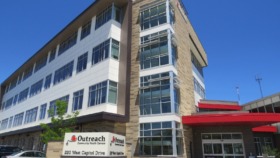
- Access Clinic East: 210 W. Capitol Dr. (inside Outreach Community Health Centers). Call 414-257-7665. https://county.milwaukee.gov/EN/DHHS/ACCESS
Community and Nonprofit Providers
- Sixteenth Street Community Health Centers: Substance use services at National and Layton Avenue locations. Call 414-672-1353. Services available in Spanish. https://sschc.org/
- United Community Center: 1028 S. 9th St. Residential, day, and outpatient treatment for men and women, with Spanish-language services. Call 414-643-8530. https://www.unitedcc.org/
- Meta House: 2625 N. Weil St. Residential and outpatient programs plus recovery housing, with a focus on women and families. Call 414-962-1200. https://www.metahouse.org/
- IMPACT 211: Dial 211 or text your ZIP code to 898-211 for referrals to treatment and support across the county. https://www.impactinc.org/impact-211/
Harm Reduction
- Vivent Health LifePoint: Free syringe services, naloxone, fentanyl and xylazine test strips, wound care, and treatment referrals in Milwaukee. Visit viventhealth.org for locations and hours. https://viventhealth.org/services/harm-reduction/
- Milwaukee County Harm Reduction Vending Machines: Free naloxone, fentanyl and xylazine test strips, medication lock bags, and gun locks at machines across the county, including a location at Milwaukee Turner Hall (1040 N. Vel R. Phillips Ave.). Locations are listed on the county Behavioral Health Services website. https://county.milwaukee.gov/EN/DHHS/BHD/Harm-Reduction-Vending-Machines
Veterans and Military
- Clement J. Zablocki VA Medical Center (Milwaukee VA): 5000 W. National Ave. Substance use and mental health treatment for enrolled veterans. Call 414-384-2000. Additional resources for veterans and military families are available for those navigating benefits. https://www.va.gov/milwaukee-health-care/locations/clement-j-zablocki-veterans-administration-medical-center/
- Veterans Crisis Line: Dial 988 then press 1, or text 838255. https://www.veteranscrisisline.net/
Government and Tribal Health
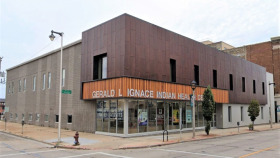
- Gerald L. Ignace Indian Health Center: 930 W. Historic Mitchell St. Group sessions and individual appointments for substance use. Call 414-316-5004. https://gliihc.net/
- Wisconsin ForwardHealth (Medicaid): Apply for coverage online through the state ACCESS portal or call 211 for enrollment help. https://www.forwardhealth.wi.gov/WIPortal/
Drug and Alcohol Use Statistics in Milwaukee
Milwaukee County has seen encouraging movement in its overdose numbers after years of record losses. Fatal drug overdoses fell by roughly 30% from 668 in 2023 to 466 in 2024, according to the Milwaukee County Medical Examiner’s Office, the second consecutive annual decline. Local officials credit expanded harm reduction, opioid settlement investments, and wider access to medication-assisted treatment. The figures below capture the most significant recent local and state data.
The data points to two intertwined challenges. Fentanyl still contributes to the majority of fatal overdoses, but the 2024 shift toward cocaine-involved deaths, along with the arrival of the tranquilizer xylazine in the local supply, complicates both overdose reversal and treatment.
Alcohol remains a distinct and severe concern: Wisconsin’s age-adjusted alcohol-induced death rate of 15.0 per 100,000 was roughly 21% above the national rate in 2024, consistent with the state’s persistently high binge-drinking levels. For anyone tracking the fentanyl picture nationally, the overdose risk fentanyl carries underscores why local harm reduction efforts have expanded so quickly. Broader national substance use statistics provide context for how Milwaukee’s trends compare.
Resources
- Milwaukee County Medical Examiner’s Office / Milwaukee Neighborhood News Service. (2025). Drug overdose deaths are declining in the county. https://milwaukeenns.org/2025/05/13/drug-overdose-deaths-are-declining-in-the-county-will-opioid-settlement-funds-drive-those-numbers-down-further/
- Milwaukee County Office of Emergency Management. (2025). Milwaukee County Overdose Dashboard. https://county.milwaukee.gov/EN/Office-of-Emergency-Management/EMS/Data-Analytics/Overdose
- Wisconsin Policy Forum. (2025). Wisconsin Alcohol Deaths Down from Pandemic, but Remain Elevated. https://wispolicyforum.org/research/wisconsin-alcohol-deaths-down-from-pandemic-but-remain-elevated/
- Addictions.com. (2025). Alcohol & Drug Rehabs in Wisconsin. https://www.addictions.com/rehabs/wisconsin/
- Milwaukee County Department of Health and Human Services, Behavioral Health Services. (2026). Community Access to Recovery Services (CARS) and Access Clinics. https://county.milwaukee.gov/EN/DHHS/BHD
- Milwaukee County Behavioral Health Services. (2026). Harm Reduction Vending Machines. https://county.milwaukee.gov/EN/DHHS/BHD/Harm-Reduction-Vending-Machines
- U.S. Department of Veterans Affairs. (2026). Clement J. Zablocki VA Medical Center, Milwaukee. https://www.va.gov/milwaukee-health-care/
- U.S. Census Bureau. (2025). QuickFacts: Milwaukee city, Wisconsin. https://www.census.gov/quickfacts/fact/table/milwaukeecitywisconsin/
- America’s Health Rankings, United Health Foundation. (2025). Explore Excessive Drinking in Wisconsin. https://www.americashealthrankings.org/explore/measures/ExcessDrink/WI