



How We Rank Listings
Our comprehensive local listings help you easily compare providers on the details that matter when you’re choosing your care. Each listing has verified facility details such as the levels of care a program offers and the insurance and payment types it accepts. You can also view facility accreditations such as Joint Commission or CARF and specialty tracks for specific populations.
Listings reflect data reported by the facilities and public licensing sources. We do not promote or endorse any facility but instead are committed to offering complete and updated information to help you make informed treatment decisions.
Contact providers directly to confirm admission requirements and insurance coverage.
What to Know About Rehab in Boynton Beach
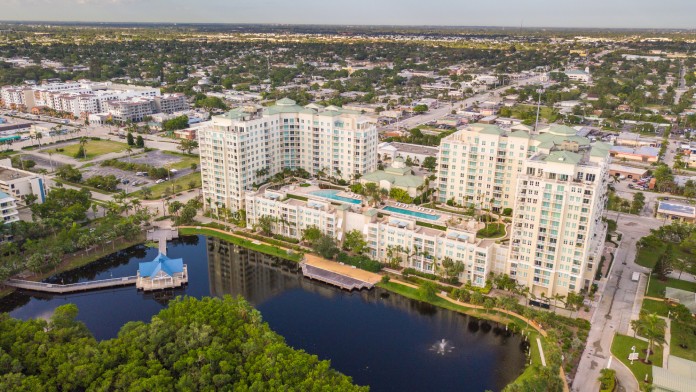
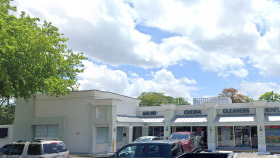
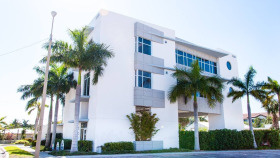
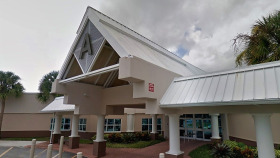
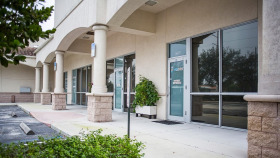
Boynton Beach is in southeastern Palm Beach County between Delray Beach and Lake Worth Beach. This is within the West Palm Beach metro area. The 18 treatment providers in this area often offer outpatient and residential care but medical detox and dual-diagnosis programs are also available.
You can compare these programs with other options in the neighboring cities in the Florida rehab directory. The Southeast Florida Behavioral Health Network coordinates publicly funded behavioral health care in this region.
The network links you to area providers for assessment and treatment. You can also be connected to recovery support if you’re uninsured or underinsured.
Palm Beach County has had a widespread and lasting opioid problem. It also has a high concentration of recovery programs and services. The Palm Beach County State Attorney’s Sober Homes Task Force was created specifically to address brokering and unethical marketing in the local treatment market.
Confirming a program’s licensing and accreditation ensures you receive appropriate care. Check that a facility is licensed by the Florida Department of Children and Families and holds recognized accreditation when you’re searching for a facility that’s right for you.
The good news is that the number of overdose deaths in Palm Beach County sharply declined through 2024.
Cost of Rehab in Boynton Beach
The cost of treatment in Boynton Beach depends on your level of care and the program length. It also matters whether you use insurance or pay out of pocket. Medical detox and residential inpatient care have the highest costs because they include supervision around the clock in an inpatient setting. Outpatient programs cost less because you live at home.
These averages are the full cost of care without insurance, so you will likely pay considerably less.
The biggest factor in your final cost is whether you pay out of pocket or through other coverage. It’s important to understand how insurance covers rehab before comparing programs on price. Several factors influence your cost:





How to Pay for Rehab in Boynton Beach
Many people who attend rehab use private insurance or pay for their care out of pocket but some programs do accept public coverage such as Medicaid.
Others also offer sliding scale payment or lower cost options. Some programs also offer financing and financial aid opportunities.

Medicare
Medicare often covers addiction treatment across all levels as long as it’s deemed medically necessary. These funds are available for eligible older adults and people with certain disabilities.
Coverage rules and your costs vary by plan. Always confirm benefits with the insurance provider and the facility’s admissions specialist. Our guide to using insurance for rehab explains what to check.
Medicaid
Florida Medicaid operates as a Statewide Medicaid Managed Care program. Most beneficiaries receive addiction recovery services through a contracted health plan. Your healthcare team can help you demonstrate that your treatment is medically necessary in order to ensure coverage.
Medicaid plans in Florida cover a range of services including medication-assisted treatment for opioid use disorder. Ask the facility’s admissions coordinator directly about payment options and confirm which plan it takes and what services are covered.
Insurance and Private Pay
Private insurance and private pay are the most common ways people pay for care in Boynton Beach. Getting your insurance to cover your treatment means finding a facility that’s within your plan’s network. This affects your share of the cost.
Ask about reduced rates based on your income and family size. You might also be eligible for financing if you’re paying out of your own pocket.
Free and Low-Cost Options
Publicly funded care for the uninsured and underinsured is available through SEFBHN’s provider network. Some programs offer financial assistance or scholarships. Learn how rehab scholarships work and what to ask when you call.
Levels of Care Available in Boynton Beach
Boynton Beach providers cover the full continuum of care. This includes an array of medical detox and inpatient and outpatient programs.

Medical detox usually involves continual monitoring in an inpatient setting to manage your withdrawal symptoms safely. This is often the first step for alcohol and opioid dependence. Read more about medical detox and what to expect.
Inpatient rehab offers structured residential treatment with onsite support around the clock. Treatment is typically 30 to 90 days. See how inpatient rehab compares to other settings.
Partial hospitalization programs deliver intensive daytime treatment while you return home in the evenings. This enables you to receive residential and outpatient care. Learn about partial hospitalization.
Standard outpatient care is the most widely available level in Boynton Beach. These programs let you attend counseling and treatment while you live at home. Explore outpatient rehab options.
Dual-diagnosis programs treat addiction that occurs alongside other mental health conditions such as depression or anxiety.
Sober living homes support the transition back to daily life and pair well with rehab aftercare.
Specialty Programs in Boynton Beach
Many Boynton Beach providers tailor their treatment to specific groups and substances. Programs for young adults are especially prevalent locally as are specialized alcohol and opioid recovery programs.





Specialized programs for historically underserved patient populations can help support your comfort and engagement in treatment. Some options include addiction care tailored to the care needs of the LGBTQ community or trauma focused care for military personnel and veterans.
Local availability is strongest for alcohol use disorder and opioid use disorder, demonstrating the drugs most often involved in local treatment admissions and overdose data.
Free and Low-Cost Rehab Resources in Boynton Beach
Several public and nonprofit resources serve Boynton Beach and Palm Beach County. The organizations below can help with crisis support, assessment and connection to publicly funded treatment.
Call 988 for the Suicide and Crisis Lifeline when you or someone you love is in immediate danger. You can also refer to our crisis support resources.
- 988 Suicide and Crisis Lifeline
https://988lifeline.org/
Free, confidential crisis support, available 24/7. - SAMHSA National Helpline
https://www.samhsa.gov/find-help/helplines/national-helpline
Free, confidential treatment referrals and information, 24/7. - Florida 211 (211 Palm Beach and the Treasure Coast)
https://211palmbeach.org/feeling-suicidal-1
Dial 211 for local referrals to treatment, housing and financial assistance. - Southeast Florida Behavioral Health Network (SEFBHN)
https://sefbhn.org/
The regional managing entity for Palm Beach County - Florida DCF Substance Abuse and Mental Health
https://www.myflfamilies.com/services/substance-abuse-and-mental-health
Verify a provider’s license and find services at myflfamilies.com. - Marchman Act
https://www.myflfamilies.com/crisis-services/marchman-act
Florida’s Marchman Act allows families to petition for involuntary assessment and stabilization for a loved one with a severe substance use disorder. The Palm Beach County Clerk of the Circuit Court handles petitions.
Drug and Alcohol Use Statistics in Boynton Beach
Boynton Beach and Palm Beach County trends and recent county data are similar. They show meaningful progress against the overdose crisis. The county’s overdose deaths involving opioids fell sharply in 2024. This mirrors a statewide decline in deaths involving fentanyl.
These declines are encouraging but the drug overdose rate continues to be a serious public health concern in Palm Beach County. Fentanyl is still the drug most often involved in fatal overdoses statewide. See our overview of substance use statistics for national context.
Resources
- Florida Department of Law Enforcement, Florida Medical Examiners Commission. (2025). Drugs Identified in Deceased Persons, 2024 Annual Report. https://www.fdle.state.fl.us/
- Palm Beach County Medical Examiner’s Office, via The Palm Beach Post. (2025). Opioid-related overdose deaths, 2023 to 2024. https://www.palmbeachpost.com/story/
- Palm Beach County Law Enforcement Planning Council. (2025). Overdose death data, 2022 to 2025. https://cw34.com/news/local/palm-beach
- Substance Abuse and Mental Health Services Administration. (2022). Findtreatment.gov: Florida treatment cost averages. https://findtreatment.gov/
- Florida Department of Children and Families, Office of Substance Abuse and Mental Health. (2026). Substance Abuse and Mental Health Program. https://www.myflfamilies.com/services/substance-abuse-and-mental-health