



Expert Insights
I recall a candlelight vigil event held late last year at Hillsborough High School in Tampa, Florida. It was held by families who had lost their loved ones to drug addiction. The lawn of the high school was lit by beautiful candles held by the loved ones who were left behind, each one hoping that by telling their own heartbreaking stories of loss, it could save someone else.
Mothers and fathers noted that they hoped their children’s deaths would serve as cautionary tales and help to educate local parents about the very real dangers of drugs – especially fentanyl. One mother said that her daughter relapsed one time, but that was all it took because the heroin she bought was laced with fentanyl. Tampa lawmakers say they have seen a large rise in overdoses and are working on new ways to help bring those numbers down.
Rehab in Tampa: What to Know
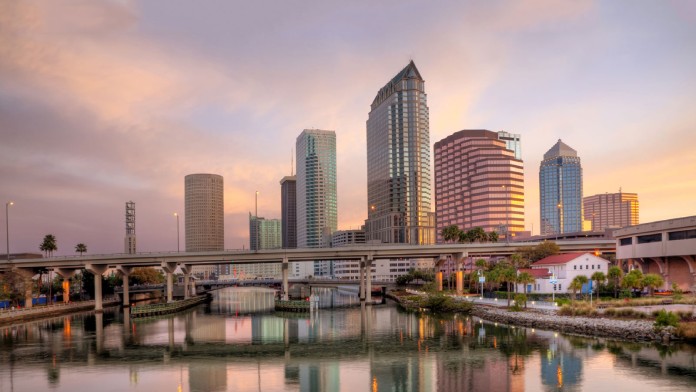
Tampa is the county seat of Hillsborough County and the hub of the Tampa Bay metropolitan area, home to more than 1.5 million residents. Our Florida rehab directory covers all 67 counties in the state; this page focuses specifically on the 42 licensed treatment facilities serving Tampa and the surrounding area, spanning medical detox through outpatient counseling and structured sober living environments.
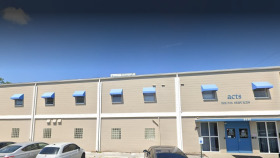
The largest community behavioral health provider in the area is the Agency for Community Treatment Services (ACTS), which offers a full range of addiction treatment options from 24/7 crisis detox to residential rehabilitation and outpatient programs. ACTS serves more than 8,000 individuals annually across Hillsborough and neighboring counties. Its Adult Addictions Receiving Facility operates around the clock for people who need immediate crisis stabilization.
In early 2026, Hillsborough County and Phoenix House Florida opened the Orient Wellness Center, an 85-bed residential treatment facility at 1800 Orient Rd. designed to serve individuals transitioning out of the county criminal justice system. The center is the first of its kind in Hillsborough County and adds meaningful residential capacity for people enrolled in the county’s Health Care Plan.
Opioids, and fentanyl in particular, continue to shape demand for treatment services in the area. Hillsborough County recorded 393 fentanyl-related deaths in 2023, down from 480 in 2022, but the toll remains substantial. For families and individuals seeking help with opioid use disorder, Tampa’s treatment network includes 22 medical detox programs and 29 opioid-specific treatment programs.
How Much Does Drug Rehab Cost in Tampa?
Treatment costs in Florida vary based on level of care, length of stay, and whether the program works with your insurance. No city-specific pricing data is currently available for Tampa, but facilities here generally follow statewide cost patterns. Verifying your rehab benefits before contacting a facility can significantly reduce what you pay out of pocket.
Several factors influence what you ultimately pay:





How to Pay for Drug Rehab in Tampa
Of the 42 facilities in our Tampa directory, 41 accept self-payment or cash and 31 work with private health insurance. Seventeen facilities accept Florida Medicaid and 9 accept Medicare, providing pathways for people who rely on public coverage. Understanding which payment types are accepted at a specific facility is a practical first step before beginning the intake process.





The right payment path depends on your insurance coverage, income, and whether a program has open capacity for publicly funded clients. Calling ahead to verify your specific plan is accepted saves time and prevents surprises at intake.
Medicare
Nine Tampa facilities accept Medicare. Medicare covers a range of substance use disorder services including inpatient psychiatric care, outpatient counseling, medication-assisted treatment, and, since 2024, intensive outpatient programs (IOP) at eligible facilities. Coverage specifics depend on your Medicare plan and the facility’s billing arrangements; confirm in-network status and any prior authorization requirements before beginning treatment.
Florida Medicaid
Florida Medicaid, administered through the state’s Statewide Medicaid Managed Care program, covers the full continuum of substance use disorder services including medical detox, residential treatment, outpatient counseling, and medication-assisted treatment with buprenorphine, methadone, and naltrexone. Seventeen facilities in Tampa accept Medicaid. Eligibility is generally based on income, and applying for coverage before seeking treatment is worth doing if you are uninsured or underinsured.
Military Benefits (TRICARE)
Seven Tampa facilities accept TRICARE for active-duty service members, their dependents, and qualifying veterans. Eligible veterans may also access no-cost treatment through the James A. Haley Veterans Hospital, which operates a full Substance Use Disorders Service in the city. Additional rehab resources for veterans and military members are available through the national VA network.
Insurance and Private Pay
Thirty-one facilities accept private health insurance. Most major carriers active in Florida are represented in the directory. Contact your insurer directly to verify whether a specific facility is in-network, and ask about prior authorization requirements for inpatient or residential care.
- Aetna
- Blue Cross Blue Shield of Florida (Florida Blue)
- Cigna
- Humana
- UnitedHealthcare
Sliding-Scale Fees and Financial Assistance
Nine facilities offer sliding-scale fees based on income, eight offer some form of direct financial assistance, and six offer financing so costs to be spread over time. If cost is a concern, ask any admissions team explicitly whether reduced-rate or deferred-payment options are available; many programs have arrangements that are not prominently advertised.
Free Treatment Programs
No facility in our current Tampa directory lists free treatment for all clients. However, rehab scholarships and grant-funded programs can reduce or eliminate costs for qualifying individuals. SAMHSA’s helpline (1-800-662-HELP) can also connect you to state-funded treatment slots that may not appear in private directories.
Levels of Care Available in Tampa
Tampa facilities cover all major levels of care. The directory includes 22 medical detox programs, 23 inpatient programs, and 35 standard outpatient clinics, along with 30 programs designed to treat substance use disorders alongside co-occurring mental health conditions.



Medical Detox
For people who have developed physical dependence on alcohol, opioids, benzodiazepines, or other substances, supervised detox is typically the first clinical step. Tampa’s 22 detox programs provide 24-hour medical monitoring and, where appropriate, medications to reduce withdrawal discomfort and prevent complications. ACTS’s Adult Addictions Receiving Facility operates around the clock for people who need immediate access.
Inpatient Rehab
Inpatient programs provide structured residential care, typically ranging from 28 to 90 days. Clients live at the facility full-time and receive daily individual and group therapy, medical oversight, and clinical programming. Twenty-three inpatient programs in Tampa offer this level of care, making it one of the more accessible options in the area.
Partial Hospitalization and Intensive Outpatient
Partial hospitalization programs (PHP) provide a high level of clinical intensity, typically 20 or more hours of structured programming per week, while allowing clients to return to housing each evening. Six Tampa facilities offer PHP. The directory lists one formally designated intensive outpatient program; many of Tampa’s outpatient providers offer outpatient rehab with scheduling intensity that can serve as an effective step-down from PHP or inpatient care.
Dual Diagnosis Programs
Thirty programs in Tampa treat substance use disorders alongside co-occurring mental health conditions such as co-occurring depression, anxiety, and trauma. Integrated dual diagnosis treatment is considered the standard of care for people managing both conditions simultaneously, since addressing them separately tends to produce weaker outcomes.
Sober Living
Eight sober living homes in Tampa offer structured, drug-free housing for people who have completed a higher level of treatment and are building toward independent living. These homes provide peer accountability and a practical bridge to rehab aftercare and ongoing community support outside the clinical setting.
Specialty Programs in Tampa
Most of Tampa’s 42 facilities offer programming tailored to specific populations or substance types. Eight specialty areas had enough facility representation to report in the directory.






Free and Low-Cost Rehab Resources in Tampa
People in Hillsborough County have access to several free and low-cost options for crisis support, harm reduction, and treatment referrals. If you or someone you know is in immediate crisis, call or text 988 for confidential mental health and substance use support; additional crisis support resources are available through the national 988 Lifeline network.
Crisis Lines
- 988 Suicide and Crisis Lifeline: Call or text 988, 24 hours a day, 7 days a week. Trained counselors provide immediate support for mental health and substance use crises. Free and confidential. https://988lifeline.org/
- Crisis Center of Tampa Bay (211): Call 211, 24 hours a day, 7 days a week. Connects callers to emotional support and referrals to more than 3,000 local resources, including substance abuse assistance. Visit crisiscenter.com.
24-Hour Crisis Detox
- ACTS Adult Addictions Receiving Facility (AARF): 3107 N. 50th Street, Suite A, Tampa, FL 33619. Phone: (813) 367-2565. Open 24 hours a day, 7 days a week. Provides immediate medical stabilization and supervised detox for adults in Hillsborough County who are in active substance use crisis. https://www.actsfl.org/
Harm Reduction
- IDEA Exchange Tampa: Operates a free mobile harm reduction service in partnership with Tampa General Hospital and the Central Florida Behavioral Health Network. Services include syringe exchange, naloxone (Narcan) kits and overdose training, HIV and hepatitis C testing, wound care, buprenorphine initiation, and referrals to treatment. Call ahead or check the website for current mobile unit schedule and locations. ideaexchange.org.
- I Save FL: A Florida Department of Children and Families resource for locating naloxone distribution sites, overdose prevention training, and treatment referrals statewide. isavefl.com.
Veterans Services
- James A. Haley Veterans Hospital, Substance Use Disorders Service: 10770 N. 46th Street, Building E, Tampa, FL 33617. Main phone: (813) 972-2000. Provides outpatient detox, medication-assisted treatment, residential treatment, and counseling for eligible veterans at no cost through the VA system. https://www.va.gov/tampa-health-care/locations/james-a-haley-veterans-hospital/
National and State Referral Lines
- SAMHSA National Helpline: 1-800-662-HELP (4357). Free, confidential treatment referral service, 24 hours a day, 7 days a week. Connects callers to local treatment programs, support groups, and community organizations. https://www.samhsa.gov/find-help/helplines/national-helpline
- Florida 211: Dial 211 or text your zip code to 898211. Statewide resource network connecting Florida residents to local treatment programs, housing assistance, and other community services. https://fl211.org/
Drug and Alcohol Use Statistics in Tampa
Fentanyl remains the leading driver of overdose deaths in Hillsborough County, though data from recent years shows a meaningful downward trend. The county recorded 393 fentanyl-related deaths in 2023, an 18% decline from the 480 recorded in 2022. Understanding the current risk profile of fentanyl addiction is an important part of making sense of local treatment demand. At the national level, access to care remains the central challenge: the majority of people who need treatment for a substance use disorder still do not receive it.
Resources
- Agency for Community Treatment Services. (n.d.). Crisis Care Services. https://www.actsfl.org/services/crisis-care/
- Hillsborough County Government. (2026, January 22). New Substance Abuse Treatment Center to Open Soon in Hillsborough. https://hcfl.gov/newsroom/2026/01/22/new-substance-abuse-treatment-center-to-open-soon-in-hillsborough
- Axios Tampa Bay. (2025, March 4). Fatal drug overdoses fall in Florida, matching nationwide trend. https://www.axios.com/local/tampa-bay/2025/03/04/florida-fatal-drug-overdoses-decrease
- Florida Department of Health. (2025). Drug Overdose Surveillance and Epidemiology. https://www.floridahealth.gov/statistics-data/overdose-reporting/
- Substance Abuse and Mental Health Services Administration. (2025). Release of the 2024 National Survey on Drug Use and Health. https://www.samhsa.gov/blog/release-2024-nsduh-leveraging-latest-substance-use-mental-health-data-make-america-healthy-again
- Addiction Resource. (2026). Average Addiction Treatment Costs in Florida. https://www.addictionresource.net/cost-of-rehab/florida/
- Tampa General Hospital. (2023, October 17). TGH Partners with CFBHN to Combat the Opioid Epidemic in Hillsborough County. https://www.tgh.org/news/tgh-press-releases/2023/october/tgh-cfbhn-mobile-opioid-treatment
- Center for Medicare Advocacy. (2023, November 30). New Substance Use Disorder Coverage in Medicare in 2024. https://medicareadvocacy.org/new-substance-use-disorder-coverage-in-medicare-in-2024/