



How We Rank Listings
Every Lake Worth addiction treatment listing on Addictions.com is organized to easily compare providers on important details. Each listing is based on verified facility information. This includes the program’s levels of care, the accepted insurance and payment types, accreditations such as the Joint Commission or CARF and specialty tracks for specific populations.
We prioritize licensed programs and present their information consistently. This means we do not promote one facility over another based on advertising. The facilities and public licensing sources provide the listing information. We update the listings as the information changes.
Use the program details on this page to build a shortlist of possible treatment facilities. Then contact providers directly to confirm the facility’s current availability, pricing and insurance participation.
What You Should Know About Rehab in Lake Worth
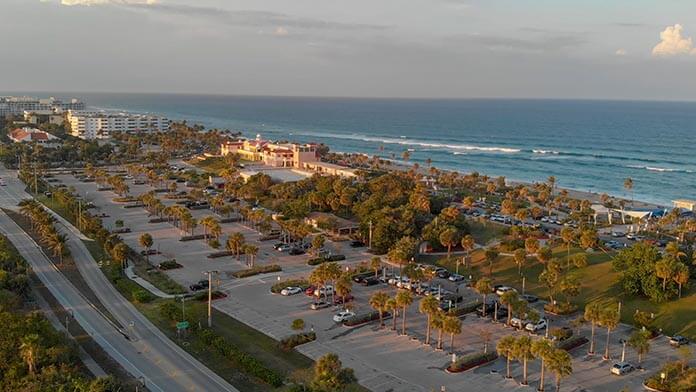
Lake Worth Beach is located just south of West Palm Beach in central Palm Beach County. This is a short drive from the coast and the county’s inland communities. There are 18 providers listed on our page in the Lake Worth Beach area that offer inpatient and outpatient care. A high number of them also offer programs related to opioids and alcohol. This is relative to the city’s size.
The Florida rehab directory helps you compare these options to neighboring communities. The Southeast Florida Behavioral Health Network SEFBHN administers Palm Beach County’s Public Behavioral Health system.
This ensures residents who lack private coverage have access to assessments and treatment through the provider network. Our overview of treatment programs explains how levels of care are different. This is important when you’re weighing the type of program you want to address your addiction needs.
Lake Worth Beach is located in the Palm Beach County Corridor, where a large Outpatient Treatment and sober homes sector grew during the height of the opioid epidemic. The growth in treatment options increased your accessibility. But this rapid growth also led to Illegal patient brokering.
The county initiated a dedicated sober homes task force in response to this illegality. Before enrolling in a program, verify that they are licensed by the Florida Department of Children and Family Services and hold recognized accreditation. The demand for local treatment is indicative of the high number of opioid substance use disorders in the community.
While the county’s overdose numbers are high, they have fallen substantially in the last 2 years. Check out the statistics section below for current figures.
Cost of Rehab in Lake Worth
What you pay for treatment in Lake Worth depends on your level of care, program length and how you pay for care. Residential treatment and medical detox are the most expensive levels of care because they include housing and around the clock clinical supervision.
Outpatient programs cost less since you live at home. The figures below are statewide Florida averages. This provides you with a useful baseline when city-level pricing is not published.
These averages reflect the full cost of care without using insurance. This means most people pay considerably less. Understanding how insurance covers rehab is important because how you pay for treatment drives the final cost more than any other factor. Costs can vary with several factors:





How to Pay for Rehab in Lake Worth
The 18 Lake Worth providers accept self payment and most accept private insurance. However, far fewer accept public coverage or offer reduced cost arrangements. Below is a breakdown of the local providers and the payment type they accept.


Medicare
Medicare covers medically necessary addiction treatment for eligible older adults and people with qualifying disabilities. This includes detox and inpatient and outpatient treatment services.
Only a couple of Lake Worth providers on this page accept Medicare. Confirming your coverage and costs with the program and your plan before admission helps reduce the potential for an unexpected medical bill. See our guide to using insurance for rehab for what to verify.
Medicaid
Florida Medicaid is administered under Statewide Medicaid Managed Care. Enrollees can typically get substance use services through a contracted plan. Only a small number of Lake Worth programs accept Medicaid. Treatment coverage can include medication-assisted treatment for opioid use disorder.
Insurance and Private Pay
Private insurance and private pay are the most common ways to pay for care in Lake Worth. Check whether a facility is in network with your commercial plan before you enroll. Ask about sliding-scale rates and financial assistance when you’re paying out of pocket. Each step can make treatment more accessible.
Free and Low-Cost Options
Uninsured and underinsured residents have access to publicly funded treatment through the SEFBHN network. Our guide explains how rehab scholarships and reduced-fee options can help.
Levels of Care Available in Lake Worth
Lake Worth providers offer care that spans the treatment continuum. This includes many inpatient and dual-diagnosis facilities. The information below shows how many local programs offer each level of care.



Medical detox manages withdrawal under round the clock clinical supervision and is often where care begins for opioid and alcohol dependence. Learn what happens during supervised detox.
Inpatient rehab is the most heavily represented residential option in Lake Worth. Residential care provides structured treatment with continuous support. Compare residential treatment to other levels.
Partial hospitalization programs provide intensive daytime care with evenings at home. This level of care is between residential and outpatient treatment. Read about PHP treatment.
Standard outpatient care lets you attend counseling and treatment while you keep working and meeting family commitments. Explore outpatient rehab.
Dual-diagnosis programs simultaneously address addiction with conditions such as co-occurring anxiety.
Sober living homes offer a structured, substance-free environment during your transition out of treatment and into continuing care.
Specialty Programs in Lake Worth
Lake Worth providers offer tailored treatment for specific groups and different substances. The most common local specialty is programming that addresses the unique needs of young adults. There are also alcohol and opioid programs that match the substances most prevalent in the county data.





Specialty programs help match treatment to your circumstances. Other local options include resources for veterans and Military personnel. The number of young adults who need addiction treatment in Lake Worth is especially high.
Free and Low-Cost Rehab Resources in Lake Worth
The cost of treatment should not keep you from getting help. The public and nonprofit resources listed below serve Palm Beach County and can connect you to crisis support, assessment and publicly funded treatment. Call 911 for any emergency and review our suicide prevention resources for more help.
- 988 Suicide and Crisis Lifeline
https://988lifeline.org/
Call or text 988 for free and confidential support any time of day. - SAMHSA National Helpline
https://www.samhsa.gov/find-help/helplines/national-helpline
Free and confidential treatment referrals 24/7. - 211 Palm Beach and the Treasure Coast
https://211palmbeach.org/feeling-suicidal-1
Dial 211 for referrals to local treatment, housing and assistance programs. - Southeast Florida Behavioral Health Network (SEFBHN)
https://sefbhn.org/programs/
Palm Beach County’s managing entity for publicly funded behavioral health care; see sefbhn.org. - Florida DCF Substance Abuse and Mental Health
myflfamilies.com
Confirm a provider’s license and find services - Marchman Act
https://www.myflfamilies.com/crisis-services/marchman-act
Families can petition the Palm Beach County court for involuntary assessment and stabilization of a loved one with a severe substance use disorder.
Drug and Alcohol Use Statistics in Lake Worth
Lake Worth’s overdose picture tracks with Palm Beach County as a whole. Deaths related to opioids dropped sharply in 2024 after years at the center of Florida’s opioid crisis.
The trend is moving in the right direction. Yet fentanyl is still the drug most often involved in fatal overdoses across Florida. The demand for opioid treatment in Lake Worth stays high. See our national substance use statistics for how Florida compares nationally.
Resources
- Florida Department of Law Enforcement, Florida Medical Examiners Commission. (2025). Drugs Identified in Deceased Persons, 2024 Annual Report. https://www.fdle.state.fl.us/
- Palm Beach County Medical Examiner’s Office, via The Palm Beach Post. (2025). Opioid-related overdose deaths, 2017, 2023, and 2024. https://www.palmbeachpost.com/story/news/local/2025/10/16/palm-beach-county-overdose-deaths-decline-2025/86710489007/
- Substance Abuse and Mental Health Services Administration. (2022). Findtreatment.gov: Florida treatment cost averages. https://findtreatment.gov/
- Florida Department of Children and Families, Office of Substance Abuse and Mental Health. (2026). Substance Abuse and Mental Health Program. https://www.myflfamilies.com/services/substance-abuse-and-mental-health
- Southeast Florida Behavioral Health Network. (2026). Managing entity for Palm Beach County. https://sefbhn.org/
- Substance Abuse and Mental Health Services Administration. (2025). National Helpline. https://www.samhsa.gov/find-help/national-helpline