



How We Rank Listings
Addictions.com organizes every Daytona Beach listing so you can compare providers based on the details that matter when choosing care. Each listing draws on verified facility information: the levels of care a program offers, the insurance and payment types it accepts, accreditations such as Joint Commission or CARF, and specialty tracks for specific populations.
We prioritize licensed programs and present their information in a consistent format, so no facility is promoted over another based on advertising. Listings reflect data reported by the facilities and public licensing sources, and we update them as that information changes.
Use the program details on this page to build a shortlist, then contact providers directly to confirm current availability, pricing, and insurance participation.
Rehab in Daytona Beach: What to Know
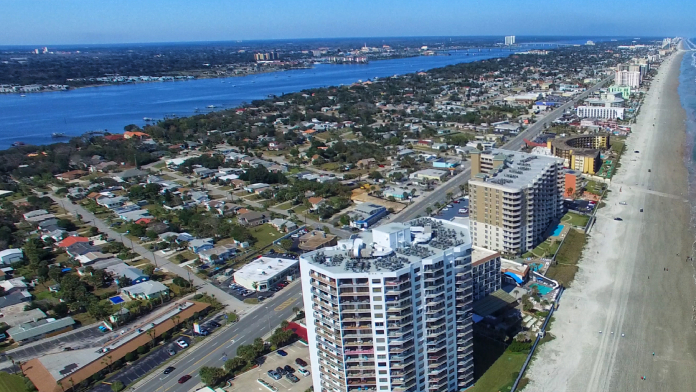
Daytona Beach is Volusia County’s best-known coastal city, on Florida’s Atlantic coast within the Deltona-Daytona Beach-Ormond Beach metro area, while the county seat is DeLand. The 18 providers on this page are weighted toward outpatient care, backed by a solid base of medical detox and residential programs. To compare Daytona Beach options with those elsewhere in the region, use the Florida rehab directory.
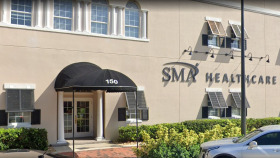
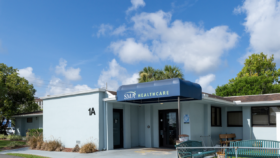
Publicly funded behavioral health care in Volusia County is coordinated by Lutheran Services Florida (LSF) Health Systems, the state-contracted managing entity for the region. SMA Healthcare is one of the area’s principal publicly funded treatment providers, offering care across multiple levels. If you are still weighing what kind of program to look for, our overview of addiction treatment options can help you narrow it down.
Volusia County has seen a marked turnaround in its overdose numbers over the past few years, which local officials credit in part to wider naloxone access and the work of the recovery community. The Volusia Recovery Alliance, based in Daytona Beach, is a local recovery community organization that supports people and families affected by addiction.
Before committing to a program, confirm that it is licensed by the Florida Department of Children and Families and holds recognized accreditation.
Cost of Rehab in Daytona Beach
Treatment costs in Daytona Beach depend on the level of care, the length of the program, and how the care is paid for. Medical detox and residential inpatient care are the most expensive because they include housing and 24-hour clinical staffing, while outpatient programs cost less because you live at home. The figures below are statewide Florida averages, which give a useful baseline when city-level pricing is not published.
These averages reflect the full cost of care without insurance, so most people pay considerably less. Because payment method affects the final cost more than any other factor, it is worth understanding how insurance covers rehab before comparing programs on price. Costs can vary with several factors:





How to Pay for Rehab in Daytona Beach
Among the 18 Daytona Beach providers, self-payment and private insurance are the most widely accepted, and a healthy number of programs offer financial assistance or sliding-scale fees. The cards below show how many local providers accept each payment type.


Medicare
Medicare covers medically necessary addiction treatment for eligible older adults and people with qualifying disabilities. Coverage extends to detox, inpatient, and outpatient care. Four Daytona Beach providers accept Medicare, so confirm benefits and out-of-pocket costs with the program and your plan before admission. Our guide to using insurance for rehab explains what to check.
Medicaid
Florida Medicaid operates as Statewide Medicaid Managed Care, and enrollees typically receive substance use services through a contracted plan. Six Daytona Beach programs accept Medicaid, and coverage often includes medication-assisted treatment for opioid use disorder.
Military Benefits
Two Daytona Beach providers accept TRICARE for active-duty service members, retirees, and their families. Veterans and military families can also find tailored support through our rehab resources for veterans.
Insurance, Private Pay, and Assistance
Self-payment and private insurance are the most common ways to fund care in Daytona Beach. With a commercial plan, verify in-network status before enrolling. If you are paying out of pocket, note that six local programs offer financial assistance and five offer sliding-scale fees. You can also explore rehab scholarships.
Levels of Care Available in Daytona Beach
Daytona Beach providers cover the core levels of care, with outpatient treatment the most widely available. The counts below show how many local programs offer each level.

Medical detox provides 24-hour monitoring to manage withdrawal safely and is often the first step for alcohol and opioid dependence. Learn about medical detox.
Inpatient rehab offers structured residential treatment with continuous support, typically for 30 to 90 days. See how residential treatment works.
Standard outpatient care is the most widely available level in Daytona Beach, letting you attend counseling and treatment while living at home. Explore outpatient rehab.
Dual-diagnosis programs treat addiction alongside co-occurring mental health conditions such as co-occurring depression, which frequently accompany substance use disorders.
Specialty Programs in Daytona Beach
Daytona Beach providers tailor treatment to specific groups and substance use disorders. Alcohol programs are especially well represented, and services for older adults are more available here than in many nearby cities.






Specialty tracks help match treatment to a person’s circumstances. Daytona Beach options include LGBTQ+ affirming addiction care and programming for young and older adults. The strongest substance-specific availability is for alcohol use disorder, followed by opioid use disorder.
Free and Low-Cost Rehab Resources in Daytona Beach
If cost is a barrier, several public and nonprofit resources serve Daytona Beach and Volusia County. The organizations below can help with crisis support, assessment, and connection to publicly funded treatment. In an emergency, call 988 and review our crisis support resources.
- 988 Suicide and Crisis Lifeline
https://988lifeline.org/
Call or text 988 for free, confidential support, 24/7. - SAMHSA National Helpline
https://www.samhsa.gov/find-help/helplines/national-helpline
Offers free, confidential treatment referrals around the clock. - Volusia and Flagler 211
https://211live.org/index.php/about-211
Dial 211 for referrals to local treatment, housing, and financial assistance. - SMA Healthcare
https://smahealthcare.org/
A principal publicly funded treatment provider serving Volusia and Flagler counties across multiple levels of care - Volusia Recovery Alliance
https://volusiarecoveryalliance.org/
A Daytona Beach recovery community organization supporting people and families affected by addiction - Lutheran Services Florida (LSF) Health Systems
https://lsfhealthsystems.org/
The managing entity for the region, connecting residents to publicly funded behavioral health care - Florida DCF Substance Abuse and Mental Health
https://www.myflfamilies.com/services/substance-abuse-and-mental-health
Verify a provider’s license and find services.
Drug and Alcohol Use Statistics in Daytona Beach
Daytona Beach’s local picture follows Volusia County, which has recorded one of the clearest overdose declines in the state. Fentanyl remains the drug most often involved in fatal overdoses, but the county’s total is falling sharply. You can learn more about the risks of fentanyl and why it drives overdose deaths.
The downward trend is real, but overdose deaths in Volusia County are still well above pre-crisis levels, and continued access to treatment and naloxone matters. For how these figures compare nationally, see our overview of substance use statistics.
Sources
- Volusia County Medical Examiner, via Observer Local News. (2025). Accidental drug overdose deaths in Volusia County, 2021 to 2024. https://www.observerlocalnews.com/news/2025/apr/22/volusia-county-reports-25-decrease-in-drug-overdose-deaths/
- Florida Department of Law Enforcement, Florida Medical Examiners Commission. (2025). Drugs Identified in Deceased Persons, 2024 Annual Report. https://www.fdle.state.fl.us/