



How We Rank Listings
Every facility on this page is listed using public, verifiable data rather than paid placement. We draw on the Substance Abuse and Mental Health Services Administration (SAMHSA) treatment locator, state licensing records from the Florida Department of Children and Families and accreditation status from bodies such as the Joint Commission and CARF. Facility details are cross-checked against what each provider reports directly.
When we order listings, we weigh signals that matter to someone choosing care: current accreditation and licensing, the range of treatment levels offered, verified payment and insurance options and whether a program serves specialized populations. We update listings as new information becomes available. A higher position does not mean a facility paid to appear there, and it is not a clinical endorsement. Always confirm current services, availability and insurance directly with any program before making a decision.
Rehab in West Palm Beach: What to Know
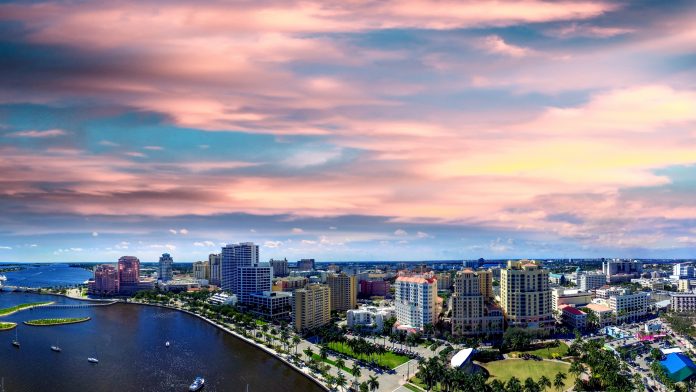
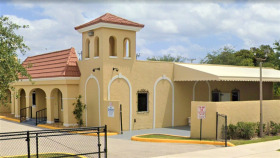
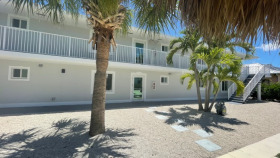
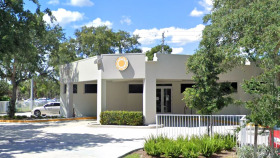
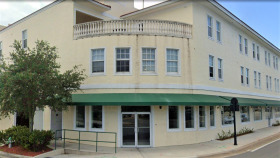
West Palm Beach sits at the center of Palm Beach County, Florida’s third most populous county and one of the most established addiction treatment markets in the country. There are 52 rehab facilities in and around the city offering care that ranges from medical detox through long-term outpatient support. If you want to see how the city fits into the wider picture, you can also browse the full Florida rehab directory to compare nearby options.
The county’s treatment landscape is coordinated in part through the Southeast Florida Behavioral Health Network, the state-contracted managing entity that oversees funding and quality for more than 60 provider organizations across Palm Beach and the Treasure Coast. Behind that network is a long local history: through the mid-2000s, Palm Beach County, and Delray Beach in particular, was widely described as the “recovery capital” of the nation, home to a dense concentration of treatment programs and sober living homes. That reputation drew people from across the country, and it also drew scrutiny, which shaped the more heavily regulated environment that exists today.
Palm Beach County was hit hard by the opioid crisis. By 2017, the county recorded a peak of 817 drug-related deaths, 626 of them involving opioids, and became the epicenter of overdose deaths in Florida. In response, the county built a coordinated public health strategy and the State Attorney’s Office launched a Sober Homes Task Force to crack down on fraud in the treatment and sober living industry. For readers trying to understand how dependence takes hold and what recovery involves, our overview of addiction treatment options is a useful starting point, and our opioid use disorder guide covers the substance most reflected in the local data.
Getting to care is generally straightforward. West Palm Beach is served by I-95, the Palm Beach County bus system (Palm Tran) and Brightline and Tri-Rail stations and many programs cluster along the Forest Hill and Military Trail corridors as well as in nearby Lake Worth Beach and Delray Beach.
Cost of Rehab in West Palm Beach
The cost of addiction treatment in West Palm Beach depends on the level of care, the length of the program and whether you use insurance. There is no single price. To give a realistic anchor, the figures below reflect statewide Florida averages for care paid entirely out of pocket, without any insurance coverage. Detox and long inpatient stays pull these averages up, so most people who use insurance or shorter programs pay considerably less.
These are statewide figures. West Palm Beach costs are likely to fall at or above the Florida average given the higher cost of living across South Florida, but actual pricing varies widely from one program to the next. The single biggest factor in what you pay out of pocket is your insurance, so it is worth verifying your rehab benefits before you commit to a program. A few of the factors that move the final number:




If cost is a barrier, it does not have to end the search. Contrasting an inpatient rehab stay against a lower-cost outpatient track, and looking into scholarships and sliding-scale programs, can bring treatment within reach.
How to Pay for Rehab in West Palm Beach
Across the 52 facilities serving West Palm Beach, most accept more than one form of payment, which means there is usually a workable path to care regardless of your financial situation. The grid below shows how many local programs accept each major payment type.



Medicare
Two West Palm Beach facilities accept Medicare. If you are 65 or older or qualify through a disability, Medicare Part A can help cover inpatient treatment while Part B covers outpatient services, though you may still owe deductibles and coinsurance. Because coverage details and network participation vary, confirm what your specific plan covers before you enroll in a program.
Medicaid
Four local facilities accept Florida Medicaid. It is worth knowing that Florida did not expand Medicaid, so low-income adults without dependent children often do not qualify, which narrows this option for some residents. For those who are covered, Medicaid frequently pays for medically necessary services including medication-assisted treatment for opioid and alcohol use disorders. Confirm eligibility and covered services directly with the plan.
Military Benefits
One West Palm Beach facility accepts TRICARE, and veterans have an additional major option nearby. The Thomas H. Corey VA Medical Center in West Palm Beach provides both inpatient and outpatient substance use care for eligible veterans. Our rehab resources for veterans and military can help you understand what is available.
Insurance and Private Pay
Private insurance is accepted at 48 of the 52 local programs, and 50 accept self-payment. Under the Affordable Care Act and federal parity rules, marketplace and most employer plans must cover substance use treatment, though your out-of-pocket cost depends on your deductible, copays and whether the facility is in network.
Other Low-Cost Options
Eight facilities offer sliding-scale fees based on income, and seven offer financing to spread payments over time. County-funded and community programs, described in the resources section below, provide additional low-cost pathways.
Free Treatment Programs
Some residents may qualify for free or heavily subsidized care through county-funded programs, community health centers or facility charity beds. If you are exploring no-cost routes, our guide to rehab scholarships explains how treatment scholarships work and where to look.
Major insurance carriers accepted across South Florida programs include:
- Aetna
- Blue Cross Blue Shield of Florida
- Cigna
- Humana
- UnitedHealthcare
- TRICARE
- Medicaid
- Medicare
Levels of Care Available in West Palm Beach
West Palm Beach offers a full continuum of care, with 33 facilities providing medical detox, 34 offering inpatient or residential treatment and 47 providing outpatient services. Whether someone needs round-the-clock medical support or a flexible schedule that fits around work and family, there is a matching level of care locally.

Medical detox is usually the first step for people with physical dependence on alcohol, opioids or benzodiazepines. A supervised medical detox keeps you safe and as comfortable as possible while your body clears the substance, with clinical staff managing withdrawal.
Inpatient and residential treatment means living at the facility during care, with structure and support around the clock. Residential treatment tends to suit people with more severe use, prior relapses, or an unstable home environment.
Partial hospitalization programs sit between inpatient and outpatient care, offering several hours of treatment most days of the week while you live at home or in supportive housing. PHP treatment is a common step-down after detox or residential care.
Outpatient care is the most flexible option, letting you attend therapy and groups while keeping up with work, school or caregiving. Outpatient rehab ranges from a few hours a week to more intensive schedules.
Dual diagnosis programs, offered by 35 local facilities, treat a substance use disorder and a mental health condition at the same time. Integrated care for co-occurring depression, anxiety or trauma tends to produce better outcomes than treating either issue alone.
Sober living homes give people a substance-free place to stay while they rebuild routines, often after a residential stay. Stable housing paired with ongoing rehab aftercare is one of the stronger predictors of lasting recovery.
Specialty Programs in West Palm Beach
Many West Palm Beach facilities tailor treatment to the specific needs of the people they serve. Programs designed around gender, age, identity or the primary substance involved can make care feel more relevant and easier to stay with.






With 45 programs focused on alcohol use disorder, alcohol treatment is the most widely available specialty locally, followed closely by 35 programs addressing opioid use disorder, the substance most reflected in Palm Beach County’s overdose data. Gender-specific tracks are common, with 40 men’s and 39 women’s programs. Four facilities offer LGBTQ+ affirming addiction care, and two provide programming built around the experiences of veterans and active-duty military. Young adult programs are offered at 31 facilities, and a smaller number serve older adults.
Free and Low-Cost Rehab Resources in West Palm Beach
Cost and insurance status should never be the reason someone goes without help. Palm Beach County has an unusually developed public and nonprofit safety net for substance use and mental health, built up over years of coordinated response to the local overdose crisis. The resources below are free or low-cost and open to residents regardless of ability to pay.
Crisis Lines
- 988 Suicide and Crisis Lifeline. Call or text 988 for free, confidential, 24/7 support during a mental health or substance use crisis. See our crisis and suicide prevention resources for what to expect.
- 211 Palm Beach and Treasure Coast. Dial 2-1-1 or call (866) 882-2991 for 24/7 crisis support and free referrals to local treatment, housing and financial assistance. Text your ZIP code to 898211 for text-based support. 211 also fields calls for the 988 Lifeline and can dispatch a mobile crisis response team.
County and Regional Behavioral Health
- Southeast Florida Behavioral Health Network (SEFBHN). The state-contracted managing entity coordinating publicly funded substance use and mental health care across Palm Beach and the Treasure Coast, connecting residents to crisis, outpatient, residential and recovery support services. https://sefbhn.org/
- Mental Health Association of Palm Beach County. 909 Fern Street, West Palm Beach, FL 33401; (561) 832-3755. Information, referral, and care coordination. https://mhapalmbeaches.org/
Community Health Centers
- C.L. Brumback Primary Care and Dental Clinics. Health Care District of Palm Beach County federally qualified health centers offering sliding-scale primary care and behavioral health for uninsured and underinsured residents. https://www.hcdpbc.org/
Harm Reduction
- Overcome Overdose PBC. A Palm Beach County program that links residents to free naloxone and syringe services programs to reduce overdose deaths and the spread of bloodborne illness, and publishes fact sheets on recognizing and responding to an overdose. https://palmbeach.floridahealth.gov/programs-and-services/wellness-programs/od2a/
Veterans and Military
- Thomas H. Corey VA Medical Center. West Palm Beach. Inpatient and outpatient substance use and mental health care for eligible veterans; the Veterans Crisis Line is available 24/7 at 988, then press 1. https://www.va.gov/west-palm-beach-health-care/locations/thomas-h-corey-va-medical-center/
Court-Based and Government Programs
- Palm Beach County Adult Drug Court (15th Judicial Circuit). A supervised program combining drug testing, supervision and counseling for eligible nonviolent felony defendants, offering treatment as an alternative to jail time. https://www.15thcircuit.com/program-page/adult-drug-court
- SAMHSA National Helpline. 1-800-662-HELP (4357). Free, confidential, 24/7 treatment referral and information in English and Spanish. https://www.samhsa.gov/find-help/helplines/national-helpline
Drug and Alcohol Use Statistics in West Palm Beach
Palm Beach County’s overdose numbers tell a story of crisis followed by measurable, if fragile, progress. After peaking at 817 drug-related deaths in 2017, the county has seen opioid deaths decline in recent years, a shift local officials credit to expanded naloxone access, follow-up care after overdoses and the crackdown on fraudulent sober homes. Fentanyl remains the dominant driver of fatal overdoses.
Statewide context helps frame the local picture. In 2024, Florida’s age-adjusted rate of deaths from drug poisoning was 21.3 per 100,000 residents, and fentanyl was the drug that caused the most deaths across the state. Palm Beach County’s sustained decline in opioid deaths runs against the grain of earlier statewide increases, reflecting the concentrated local response. You can compare these figures with national substance use statistics for broader context, and learn more about the substance most involved in local deaths in our fentanyl overdose risk guide.
Resources
- Addictions.com. (2024). Alcohol & Drug Rehabs in Florida. https://www.addictions.com/rehabs/florida/
- National Center for Drug Abuse Statistics. (2024). Average Cost of Drug Rehab by Type and State. https://drugabusestatistics.org/cost-of-rehab/
- Palm Beach County Behavioral Health, Substance Use and Co-Occurring Disorder Steering Committee. (2024). Behavioral Health and Substance Use Disorder Plan 2024. https://discover.pbc.gov/communityservices/BHSUCOD/
- Office of the State Attorney, 15th Judicial Circuit. (2022). Data Shows Decrease in Opioid Overdose Deaths. https://sa15.org/press_release/data-shows-decrease-in-opioid-overdose-deaths/
- Florida Department of Law Enforcement, Medical Examiners Commission. (2025). Drugs Identified in Deceased Persons, 2024 Annual Report. https://www.fdle.state.fl.us/
- Florida Department of Health, Florida Health CHARTS. (2024). Deaths From Drug Poisoning. https://www.flhealthcharts.gov/
- Southeast Florida Behavioral Health Network. (2025). Behavioral Health Resources. https://pbcbhc.org/behavioral-health-resources/
- 211 Palm Beach and Treasure Coast. (2025). Helpline Services. https://211palmbeach.org/
- U.S. Department of Veterans Affairs. (2025). VA West Palm Beach Health Care. https://www.va.gov/west-palm-beach-health-care/
- Substance Abuse and Mental Health Services Administration. (2024). National Helpline. https://www.samhsa.gov/find-help/national-helpline