







Expert Insights
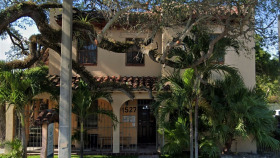
Fort Lauderdale is one of the busiest cruise ship ports in the world. It’s a hot spot for tourists. And its proximity to the Bahamas, Jamaica, and the Caribbean makes it an active site for drug trafficking.
With all the national, port, and international activity here, drug enforcement is far more difficult. Realistically, it’s virtually impossible to stop all the trafficking. But drug overdoses are claiming too many lives. In 2021, there were 775 fatal overdoses in Broward County. So, we need to focus on education and prevention programs.
The residents of Fort Lauderdale need to truly understand the dangers of drug use and have resources available to help them make good choices when drugs inevitably cross their path.
How We Rank Listings
Our directory brings together licensed and accredited addiction treatment providers so you can compare options in one place. Listings draw on public data from sources like SAMHSA’s treatment locator and state licensing records, then we organize them by the details that matter most when you are choosing care: location, levels of care offered, accepted insurance and payment options, accreditation, and the specialty programs a facility runs.
We prioritize the following when presenting a facility:
- Current state licensure and recognized accreditation, such as the Joint Commission or CARF
- The range of care available, from medical detox through outpatient and aftercare
- Accepted insurance, Medicaid and Medicare participation, and low-cost or sliding-scale options
- Specialty tracks for populations such as veterans, LGBTQ+ clients, and young adults
We do not accept payment for higher placement in a way that hides these facts. The goal is to help you shortlist programs that fit your clinical needs and budget, then verify the details directly with the facility before you commit.
Rehab in Fort Lauderdale: What to Know
Fort Lauderdale is the seat of Broward County and the anchor of a metro area that, together with Miami-Dade and Palm Beach, forms one of the largest population centers in the Southeast.
The city sits at the center of a dense treatment corridor: our directory lists 48 drug and alcohol rehab facilities in Fort Lauderdale, spanning medical detox, residential care, and outpatient services. If you want to widen your search across the region, the Florida rehab directory lets you compare programs in nearby counties.
Broward County’s public behavioral health system is coordinated by the Broward Behavioral Health Coalition, the managing entity designated by the Florida Department of Children and Families to oversee contracting and quality for publicly funded mental health and substance use services.
Long-established local providers such as Henderson Behavioral Health, which has served the county since 1953, and the county-run Broward Addiction Recovery Center form the backbone of the safety-net system, while a large private treatment sector operates alongside them. That mix is worth understanding as you weigh addiction treatment options, because it shapes both cost and wait times.
Fort Lauderdale and the surrounding county have been at the sharp end of Florida’s overdose crisis. Broward has repeatedly ranked among the state’s highest counties for fentanyl-involved deaths, and local reporting documented fentanyl-linked deaths climbing from 169 in 2018 to 536 in 2022 in Broward alone. That trajectory helps explain the concentration of fentanyl overdose risk awareness and medication-assisted programs across the city.
Recovery-oriented housing and outpatient care are especially common in the area, a legacy of South Florida’s long history as a destination for treatment. That depth of options is an advantage, but it also makes it important to verify licensure and accreditation before choosing a program.
Cost of Rehab in Fort Lauderdale
Treatment costs in Fort Lauderdale track closely with statewide Florida averages, though the higher cost of living across the South Florida metro can push prices toward or above those figures. Exact cost depends on the level of care, program length, and whether you use insurance, so the state-level averages below are best used as a planning benchmark rather than a quote. Verifying your coverage first is the single most useful step, and our guide to using insurance for rehab walks through how to do it.
Several factors move the final number up or down. Understanding them ahead of time makes it easier to compare programs and plan for what insurance will not cover.




If cost is a barrier, residential care is not the only path. A lower-intensity outpatient program often costs a fraction of a residential stay while still providing structured therapy and medication support.
How to Pay for Rehab in Fort Lauderdale
Across the 48 facilities listed in Fort Lauderdale, payment options are broad. Most accept self-payment and private insurance, and a substantial share participates in public programs or offers reduced-cost care. The grid below shows how many local facilities accept each payment type.





Coverage rules differ by program and payer, so confirm the specifics with any facility before you enroll. The breakdown below covers the payment paths people ask about most in Broward County.
Medicare
Thirteen Fort Lauderdale facilities accept Medicare, which covers medically necessary addiction treatment for people who are 65 or older or who qualify through disability. Coverage generally spans inpatient care, outpatient services, and prescribed medications, though copays and coverage limits vary by plan. Confirm which specific services your plan covers before you start.
Medicaid
Florida administers its Medicaid benefit through the Statewide Medicaid Managed Care (SMMC) program, and 17 Fort Lauderdale facilities accept it. Covered services include detox, residential and outpatient care, and medication-assisted treatment, with most behavioral health services carrying no copay for qualifying low-income enrollees.
Because addiction treatment often relies on medication for opioid or alcohol use disorder, it is worth confirming that a program offers medication-assisted treatment under your plan.
Military Benefits
Ten local facilities accept TRICARE, and veterans have additional options through the VA. The Miami VA Healthcare System serves Broward County residents, and the Fort Lauderdale Vet Center provides counseling and referrals for substance use concerns. More details on eligibility and services are available in our rehab resources for veterans and the military.
Insurance and Private Pay
Private insurance is accepted at 41 Fort Lauderdale facilities, and 42 accept self-payment. If you are paying out of pocket, ask whether a program offers financing, since nine local facilities do. Verifying in-network status before admission can substantially reduce what you owe.
Other Low-Cost Options
Eighteen facilities offer sliding-scale fees that adjust to income, and 11 provide some form of financial assistance. The county-run Broward Addiction Recovery Center offers services on a sliding-fee basis for residents who are uninsured or underinsured, making it a common starting point for people without coverage.
Free Treatment Programs
Five Fort Lauderdale facilities offer free treatment to those who qualify, typically funded through public grants and nonprofit support. If cost is the main obstacle, exploring free rehab through scholarships alongside these programs can help close the gap.
- Aetna
- Ambetter
- AvMed
- Blue Cross Blue Shield of Florida
- Cigna
- Humana
- UnitedHealthcare
Levels of Care Available in Fort Lauderdale
Fort Lauderdale offers the full continuum of addiction care, from around-the-clock medical detox through flexible outpatient services. Our directory lists 18 detox facilities, 32 inpatient rehab programs, and 39 standard outpatient clinics in the city, with dual-diagnosis and sober-living options also available.





Medical detox is the safest way to manage withdrawal from alcohol, opioids, and benzodiazepines, with clinical staff monitoring symptoms and providing medication as needed. It is a starting point, not a full course of treatment. Learn more about what to expect from supervised detox.
Inpatient and residential rehab provide 24-hour structure and support, which suits people with severe or long-standing addiction or an unstable home environment. Our page on residential treatment covers how these programs are structured.
Partial hospitalization and outpatient care let people live at home while attending treatment, which works well for those with milder symptoms or strong support systems. See our overview of intensive outpatient programs to compare intensity levels.
Dual diagnosis programs treat addiction alongside co-occurring conditions such as co-occurring depression or anxiety, which is important given how often the two travel together.
Sober living and aftercare support the transition back to daily life once a program ends. Planning for continuing care early improves the odds of staying in recovery.
Specialty Programs in Fort Lauderdale
Many Fort Lauderdale facilities tailor care to specific populations, which can make treatment more effective when a program understands a client’s particular experiences and needs. The grid below reflects the specialty tracks available across local facilities.






Alcohol remains the most widely treated substance locally, with 36 programs offering care for alcohol use disorder, followed by 26 programs focused on opioid use disorder. Twelve facilities offer LGBTQ+ affirming addiction care, and 38 run young adult and college student substance use tracks, a meaningful figure in a region that draws large numbers of young visitors. Four facilities offer dedicated programs for veterans and military members, complementing the VA options described above.
Free and Low-Cost Rehab Resources in Fort Lauderdale
Cost and insurance status should not be the reason someone goes without help. Broward County maintains a network of crisis lines, public providers, harm reduction services, and nonprofit programs that serve residents regardless of ability to pay. If you or someone close to you is in immediate danger, the resources below start with 24/7 crisis support.
Crisis Lines
These lines are free, confidential, and available around the clock. If you are having thoughts of suicide or are worried about someone else, reaching out is the right first step, and our crisis support resources offer more guidance.
- 988 Suicide and Crisis Lifeline: Dial or text 988 for 24/7 support with suicidal crisis, mental health distress, or substance use crises, in English and Spanish. https://988lifeline.org/
- 211 Broward: Dial 211 or call (954) 537-0211, or text 898211, for 24-hour crisis support and connection to local behavioral health, food, housing, and financial resources. https://www.211-broward.org/
- SAMHSA National Helpline: Call 1-800-662-HELP (4357) for free, confidential, 24/7 treatment referral and information. https://www.samhsa.gov/find-help/helplines/national-helpline
County and Public Providers
- Broward Addiction Recovery Center (BARC): 325 SW 28th Street, Fort Lauderdale; (954) 357-4880. County-run medical detox, residential, and outpatient care for adults, offered on a sliding-fee scale. Website: broward.org/AddictionRecovery
- Henderson Behavioral Health: Nonprofit provider offering outpatient care, psychiatry, and a Crisis Stabilization Unit at 2677 NW 19th Street, Fort Lauderdale; (954) 739-8066. https://www.hendersonbh.org/
- Broward Behavioral Health Coalition: The county’s managing entity for publicly funded substance use and mental health services. Website: bbhcflorida.org
Harm Reduction
- Florida Department of Health in Broward County: Distributes free naloxone (Narcan) nasal spray kits, no appointment needed, to anyone at risk of witnessing or experiencing an opioid overdose. Website: broward.floridahealth.gov
- The SPOT (Care Resource): The only Broward County-approved syringe services program, offering syringe exchange, naloxone, and health screenings through a mobile medical clinic. Website: thespotbroward.org
- iSaveFL: Statewide tool for locating free naloxone in your community. Website: isavefl.com
Veterans and Military
- Fort Lauderdale Vet Center: 3666 W Oakland Park Boulevard, Lauderdale Lakes; (954) 714-2381. Counseling and referral for substance use and readjustment concerns; no VA enrollment required. https://www.va.gov/fort-lauderdale-vet-center/
- Miami VA Healthcare System: Serves Broward County veterans with substance use and mental health treatment, including community-based clinics in Deerfield Beach and Pembroke Pines. Website: va.gov/miami-health-care
Drug and Alcohol Use Statistics in Fort Lauderdale
Broward County has been one of Florida’s hardest-hit counties for fentanyl-involved overdoses, though recent statewide data shows the trend beginning to turn. The figures below reflect the most recent county and state data available from public health and law enforcement sources.
Statewide, the direction of the crisis has shifted. According to the Florida Medical Examiners Commission’s 2024 Annual Drug Report, total drug-related deaths fell 14% and opioid-related deaths fell 26% compared with 2023. Even so, fentanyl remained the drug that caused the most deaths in Florida, underscoring why access to opioid addiction treatment and naloxone remains a local priority. Our national substance use statistics page provides national context, tracking how Florida compares.
Resources
- Florida Department of Law Enforcement, Florida Medical Examiners Commission. (2025). Drugs Identified in Deceased Persons 2024 Annual Report. https://www.fdle.state.fl.us/
- Florida Department of Health. (2026). Drug Overdose Surveillance and Epidemiology. https://www.floridahealth.gov/statistics-data/overdose-reporting/
- USAFacts. (2026). How many drug overdose deaths happen every year in Florida? (CDC data). https://usafacts.org/answers/how-many-drug-overdose-deaths-happen-every-year-in-the-us/state/florida/
- NBC 6 South Florida. (2023). Deadly Mix: Thousands Dead in South Florida from Fentanyl-Involved Overdoses. https://www.nbcmiami.com/investigations/deadly-mix-thousands-dead-in-south-florida-from-fentanyl-involved-overdoses/3045805/
- Florida Agency for Health Care Administration. (2024). Statewide Medicaid Managed Care and Community Behavioral Health Services. https://ahca.myflorida.com/medicaid
- Broward Behavioral Health Coalition. Substance Abuse Provider Network. https://bbhcflorida.org/