
La Hacienda Treatment Center
Hunt, TX
78024

If you are looking for drug and alcohol rehab in Texas, you have 1,000+ treatment programs across the state to choose from. And the cost of inpatient rehab paid without insurance here is close to the national average, so you can focus on finding the right fit.
 800-785-0495
 Sponsored


 Close
Close| Thumbnail | Name | Address | Phone | Treatment | Insurance |
|---|---|---|---|---|---|
|
Brazos Recovery Services |
257 FM 927 Morgan, TX 76671
Brazos Recovery Services provides substance abuse treatment in Morgan, Texas. They have a complete care continuum from detox to sober living facilities. Their center is near Lake Whitney, where you’ll have tranquil views in a... |
254-232-1550 | Inpatient | N/A |
|
MedMark Treatment Centers El Paso |
6111 Alameda Avenue El Paso, TX 79905
MedMark Treatment Centers is a nationwide network that features opioid addiction care for adults. They have a clinic in El Paso, Texas. They've a team of experts standing by to help you overcome opioid abuse... |
915-221-2310 | Detox Outpatient | Medicaid Private |
|
Lighthouse Recovery Texas |
5344 Alpha Road dallas Dallas, TX 75240
Lighthouse Recovery Texas, located in Dallas, Texas is a drug and alcohol rehab for adults specializing in dual diagnosis care, partial hospitalization programs (PHPs), intensive outpatient programs (IOPs), outpatient treatment, sober living, and extended care... |
214-974-5876 | Outpatient | Private |
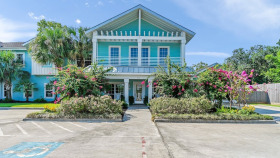
|
Kemah Palms Recovery Alcohol and Drug Treatment |
1013 Delesandri Lane Kemah, TX 77565
Kemah Palms Recovery Alcohol and Drug Treatment provides help for people struggling with substance addiction. Located in Kemah, Texas, the center includes spacious accommodations in a comfortable, supportive setting. For payment they work with the... |
855-568-0218 | Detox Inpatient Outpatient | Private |
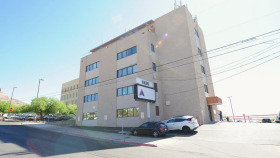
|
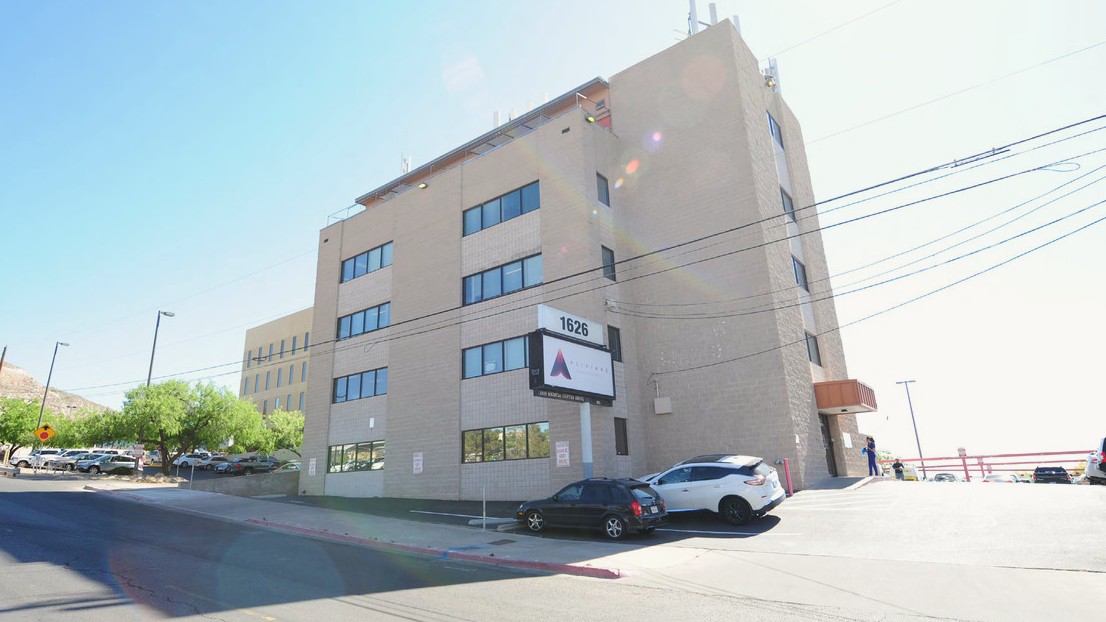
Aliviane Inc |
1626 Medical Center Street, El Paso, TX 79902
El Paso, Texas, is a desert city close to the Franklin Mountains and home to Aliviane. This is a drug and alcohol rehab for adults and adolescents. They take adults in for treatment onsite or... |
(915) 782-4000 | Inpatient Outpatient | Medicaid Private |
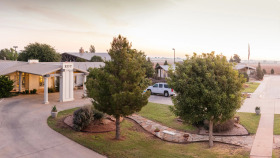
|
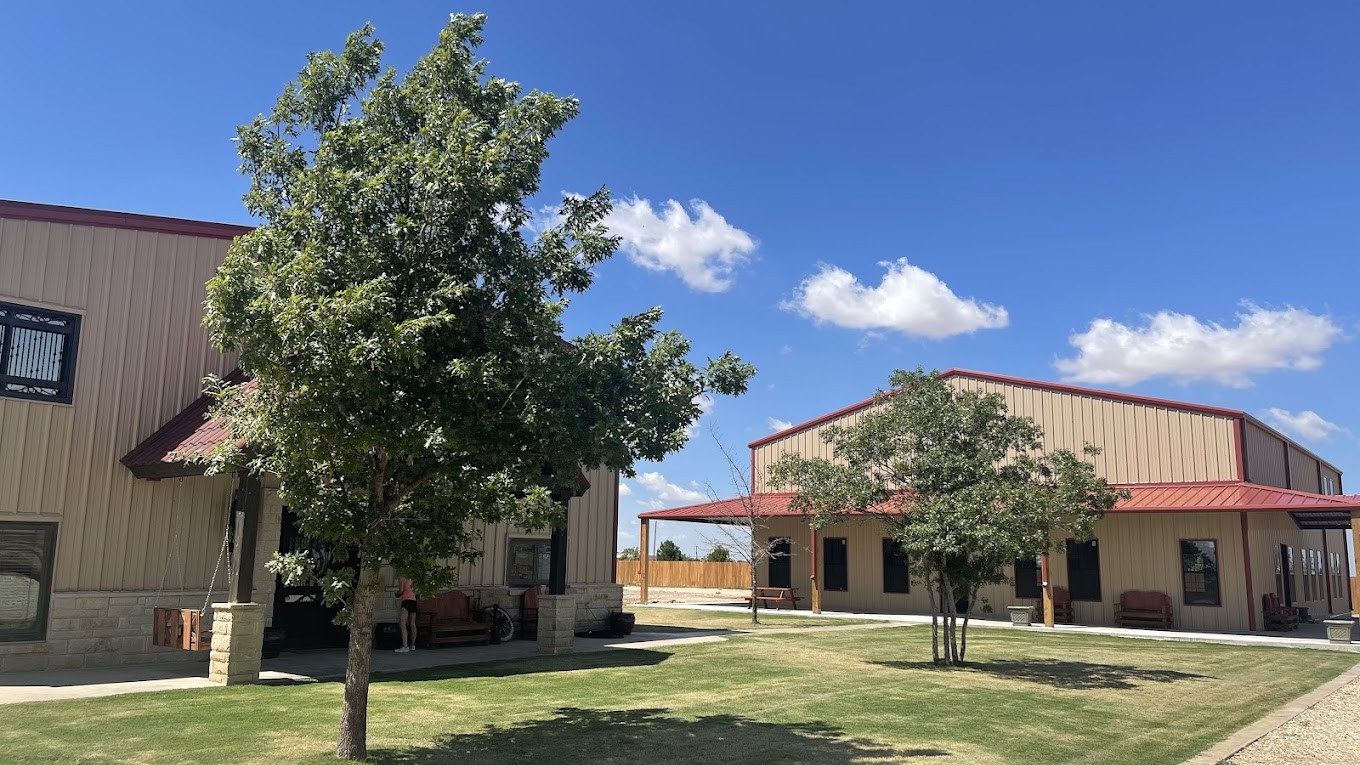
The Ranch at Dove Tree |
1406 Quinlan Street Lubbock, TX 79403
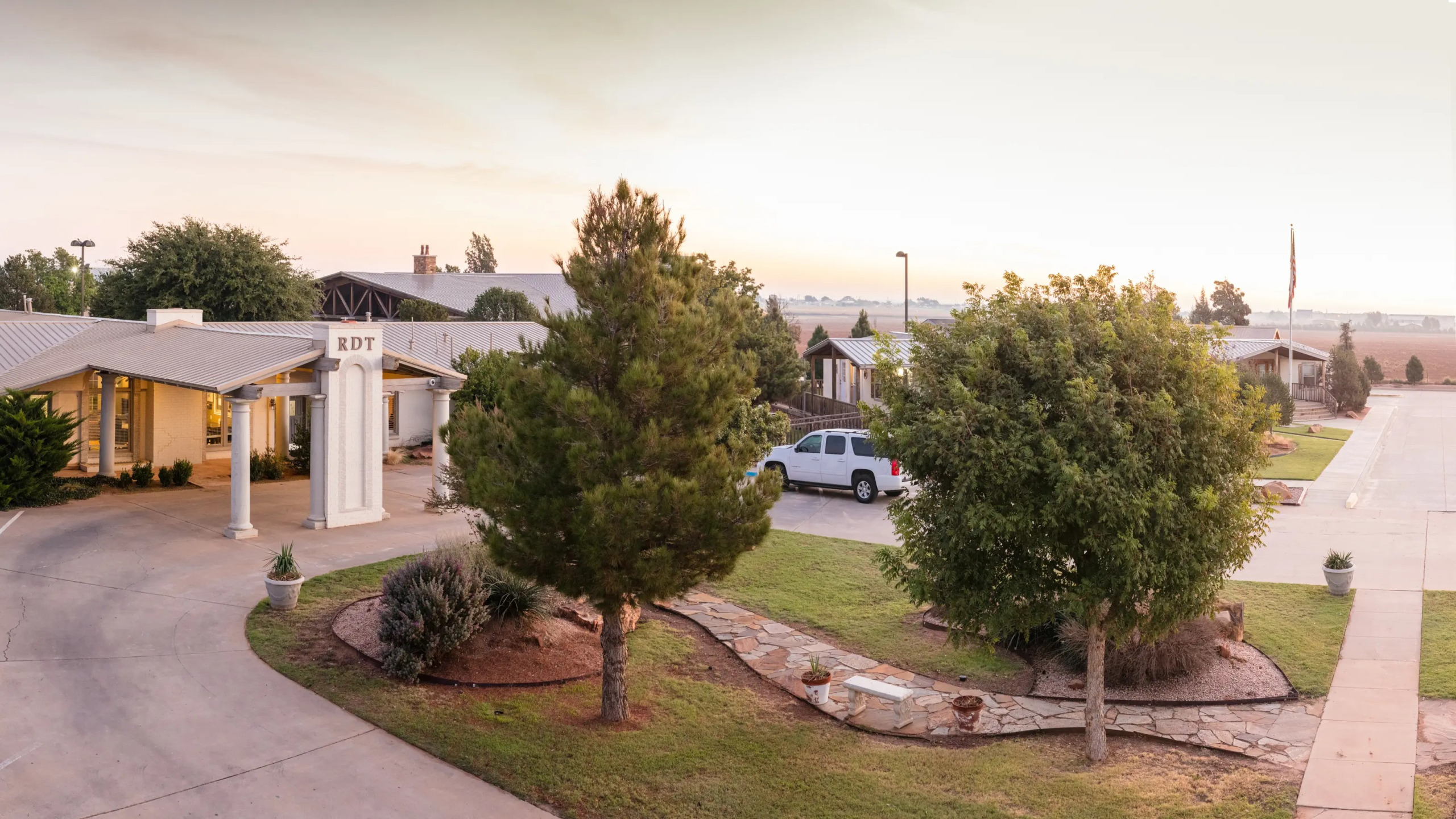
The Ranch at Dove Tree provides drug and alcohol treatment for adults. They're based out in Lubbock, Texas. The West Texas location offers a serene and natural setting where you can relax and focus on... |
866-572-6062 | Outpatient | Private |
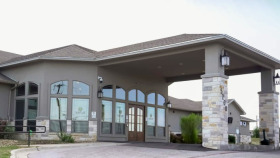
|
Virtue Recovery Center Killeen Texas |
5200 S W S Young Dr Killeen, TX 76542
Virtue Recovery Center is located in Killeen, Texas, and they offer rehab services to individuals who are struggling with substance use disorders and even co-occurring mental health conditions. They're located on a serene three-acre property... |
866-528-0327 | Detox Inpatient Outpatient | Private |
|
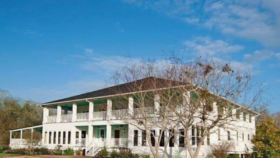
Serenity Light Recovery Center |
1820 County Road 36, Angleton, TX 77515
Serenity Light Recovery provides substance abuse treatment for adults. You’ll find ‘em located in Angleton, Texas. Their goal is to be a source of hope for guests who need addiction recovery. Their Angleton campus is... |
(281) 431-6700 | Detox Inpatient Outpatient | Private |
|
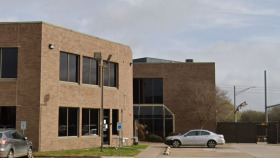
Into Action Recovery Centers |
17250 El Camino Real Houston, TX 77058
Into Action Recovery Centers is a drug and alcohol rehab in Houston, Texas, providing comprehensive care for adults living with substance use disorders and co-occurring mental health conditions. Located on El Camino Real in the... |
844-303-3969 | Outpatient | Private |
|
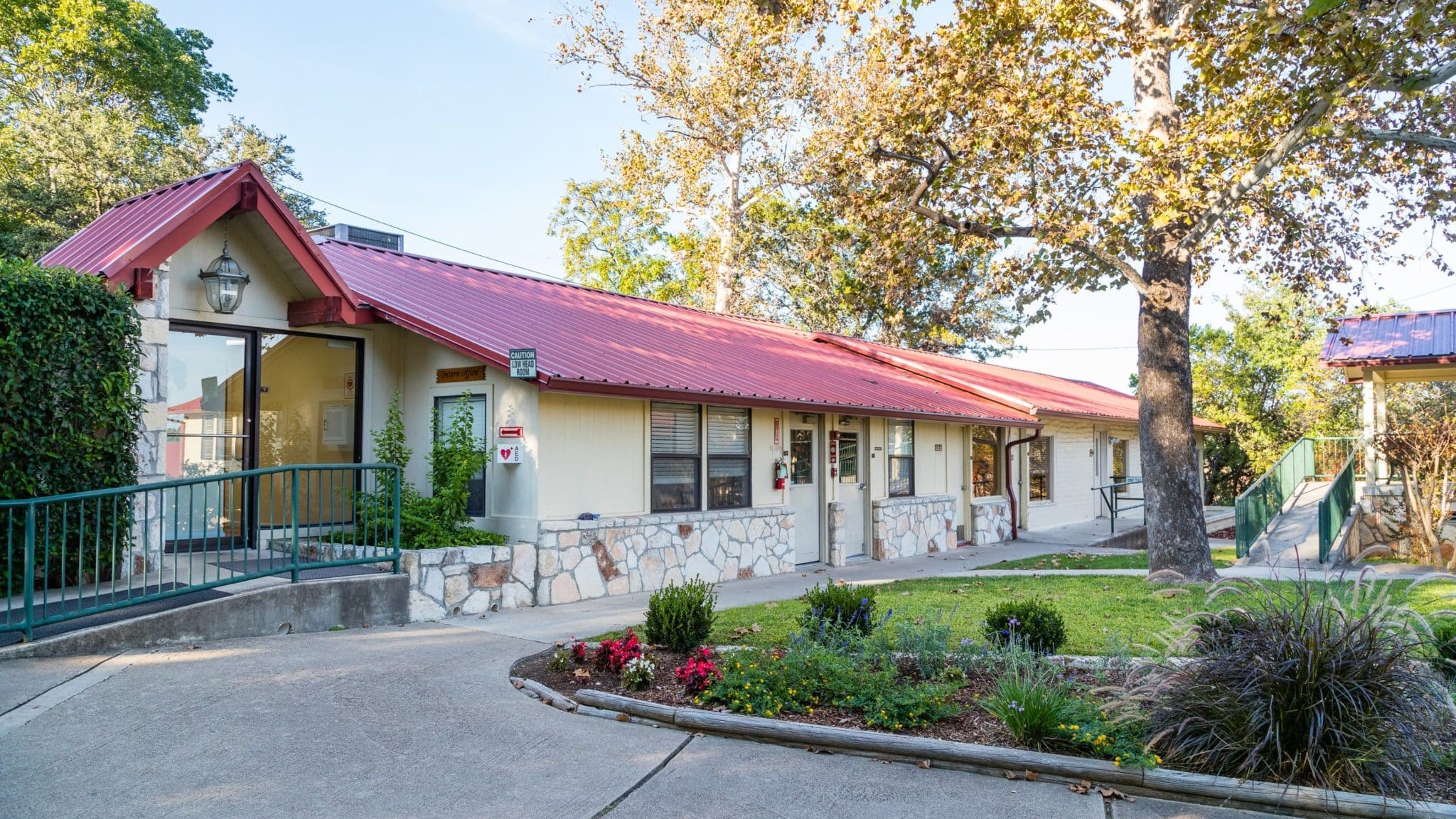
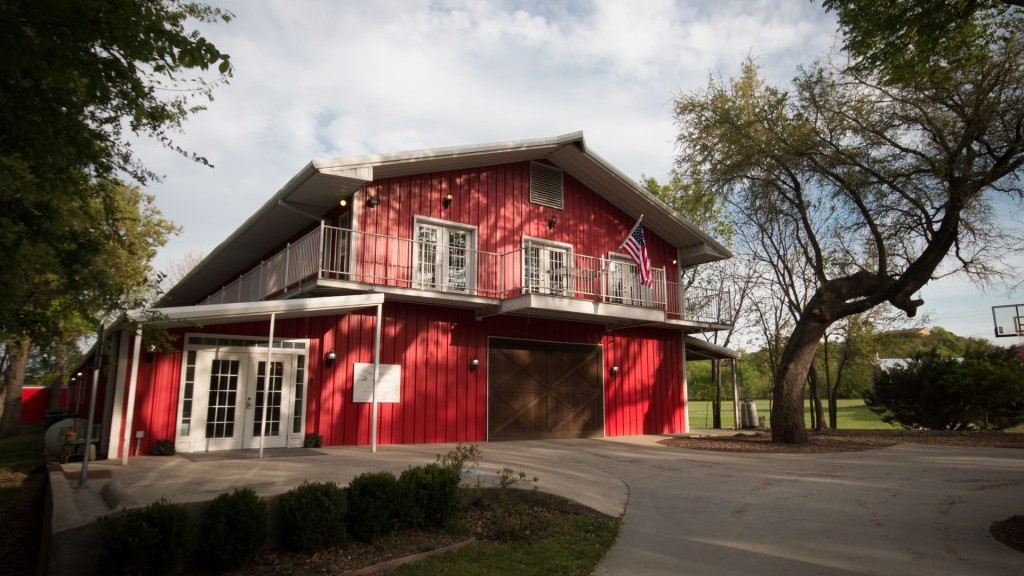
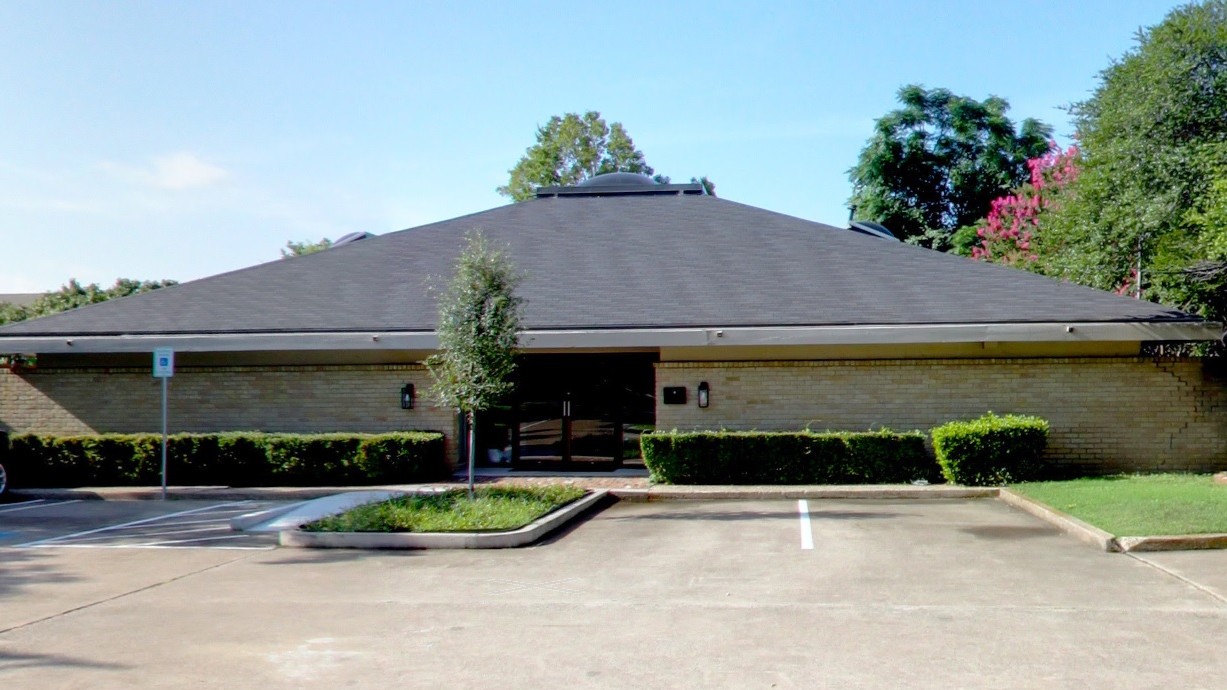
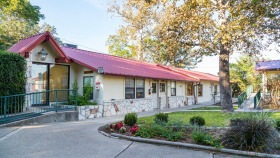
La Hacienda Treatment Center |
145 La Hacienda Way Southwest Hunt, TX 78024
La Hacienda Treatment Center provides substance abuse care in Hunt, Texas. The serene, 40-acre campus offers an escape from busy schedules so guests can focus on healing. The facility is only 90 miles from San... |
8443325201 | Detox Inpatient Outpatient | Private |
|
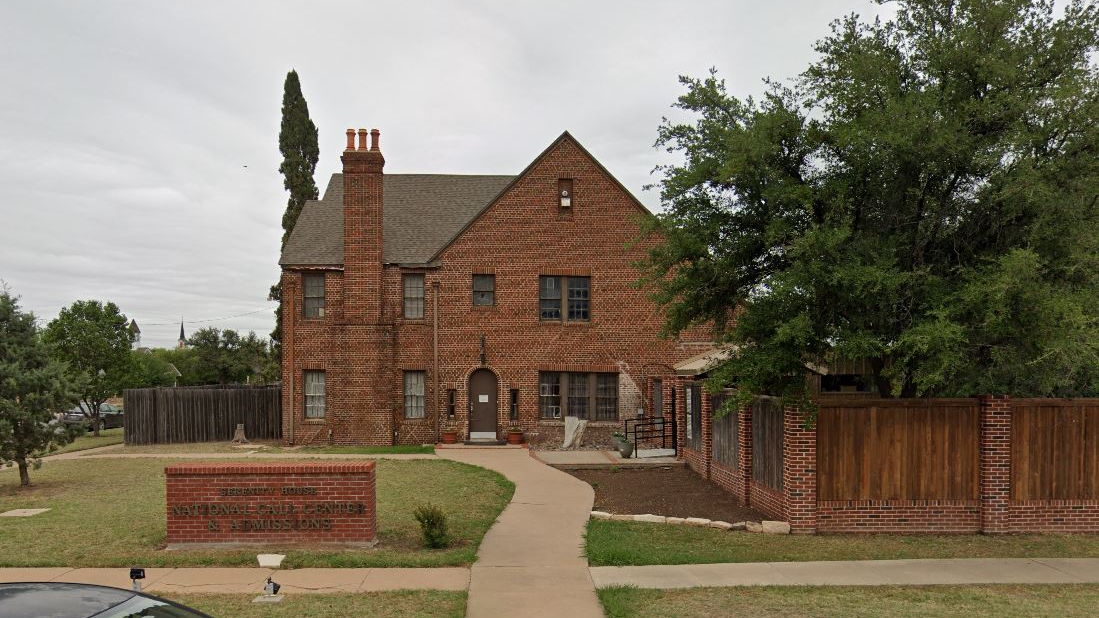
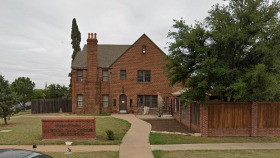
Serenity House Abilene Treatment Facility |
1546 N. 2nd Street Abilene, TX 79601
Located in Abilene, Texas, is the Serenity House Abilene Treatment Facility. They have been offering support for substance abuse and mental health disorders since 1984. Since its launch, Serenity House has helped over 36,000 people... |
325-673-6489 | Outpatient Detox Inpatient | Private Medicaid |
|
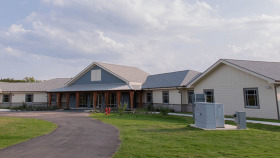
Starlite Recovery Center |
230 Mesa Verde Drive Center Point, TX 78010
Starlite Recovery Center provides substance abuse and mental health treatment for adults. They have inpatient and outpatient tracks at their facility is in a secluded corner in Center Point, Texas. Specialized Programming for LGBTQ+ Members... |
866-814-3495 | Detox Inpatient Outpatient | Private |
|
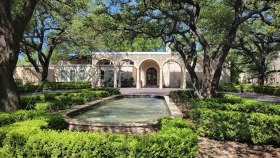
Greenhouse Treatment Center |
1171 107th Street Grand Prairie, TX 75050
Greenhouse Treatment Center provides substance and co-occurring mental health treatment for adults. They’re in Grand Prairie, Texas. The facility is situated just outside Arlington and a short drive from Fort Worth and Dallas in the... |
469-551-4746 | Detox Inpatient Outpatient | Medicaid Private |
|
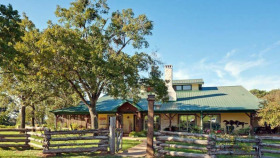
The Last Resort |
1620 FM 535 Smithville, TX 78957
Located in Smithville, Texas, on a ranch with 55 acres is The Last Resort Recovery Center. They’re a men's only treatment facility that specializes in mental health and substance abuse disorders and has been providing... |
512-360-3600 | Detox Inpatient | Private |
|
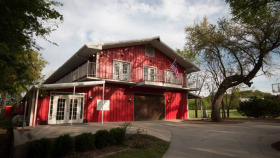
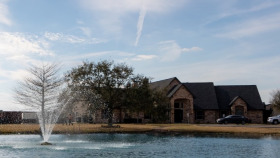
Stonegate Center |
7510 FM 1886 Azle, TX 76020
Stonegate Center is an addiction treatment center that provides a unique set of residential treatment options. Located in the countryside west of Fort Worth and southwest of Azle, Texas, their approach combines evidence-based treatments for... |
817-420-7678 | Detox Inpatient | Private |
|
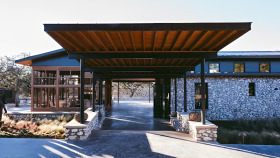
Mallard Lake Detox |
18407 Hopfe Rd Cypress, TX 77447
If you're out in Texas and need assistance to deal with substance misuse or mental health disorders, you might want to drop by the Mallard Lake Detox Center. you'll find them based in Cypress. Located... |
936-800-8025 | Detox Inpatient Outpatient | Private |
|
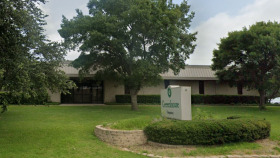
Driftwood Recovery |
1905 Elder Hill Road Driftwood, TX 78619
Driftwood Recovery provides substance abuse and co-occurring mental health treatment for adults. They include an entire team of professionals working together to promote wellness and recovery. You'll find their facility located out in Driftwood, Texas.... |
512-759-8327 | Inpatient Outpatient | Private |
|
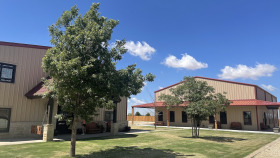
Greenhouse Outpatient Treatment Facility |
2301 Avenue J, Arlington, TX 76006
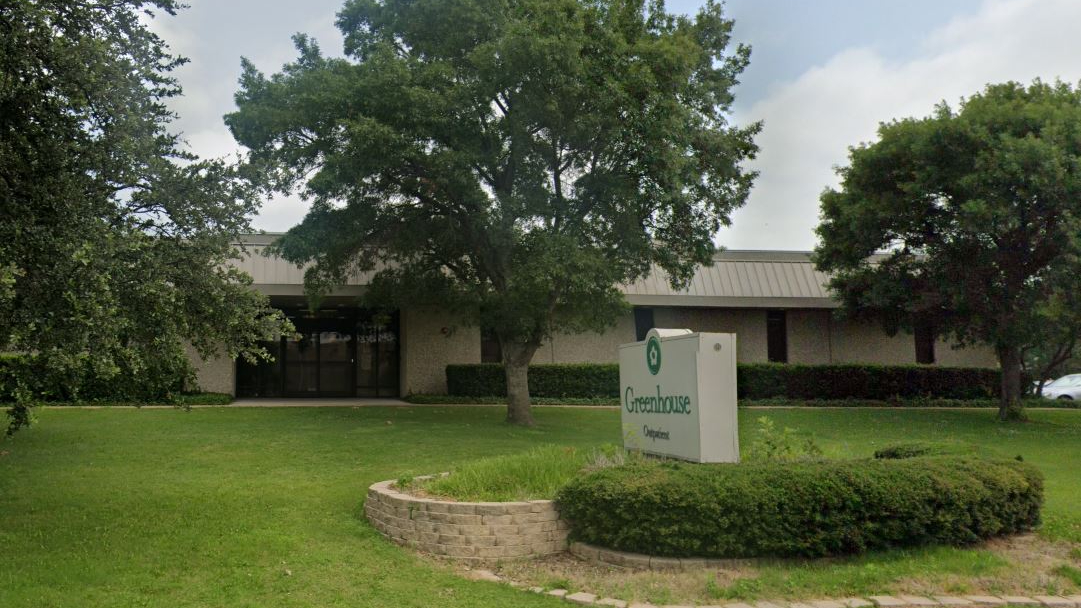
Greenhouse Outpatient Treatment Facility is located in Arlington, Texas. They provide outpatient and partial hospitalization programs (PHP) for residents battling mental health or substance abuse disorders. The facility doesn’t accept insurance plans like Medicaid and... |
(817) 440-7310 | Detox Inpatient Outpatient | Private |
|
Aspire Recovery Center of Lubbock |
3330 70th Street Suite 120 Lubbock, TX 79413
Aspire Recovery Center provides substance abuse treatment for adults. It's a family-owned facility with spacious accommodations. Their staff emphasizes compassion and treats each guest like a family member. They’re based in a quiet corner of... |
806-589-5911 | Inpatient Outpatient | Private |
|
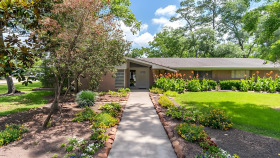
Bay Area Recovery Center Womens Drug and Alcohol Rehab |
3111 Yupon Street, Dickinson, TX 77539
Serving Dickinson, Texas, Bay Area Recovery Center Women's Drug and Alcohol Rehab offers inpatient addiction treatment and detox services. The founders of Bay Area Recovery are in recovery themselves, and they believe this helps with... |
(281) 524-3796 | Detox Inpatient Outpatient | Medicaid Private |
|
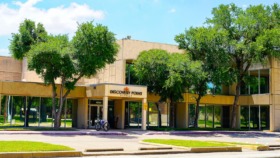
Dallas County Treatment Center |
4306 Capitol Avenue, Dallas, TX 75204
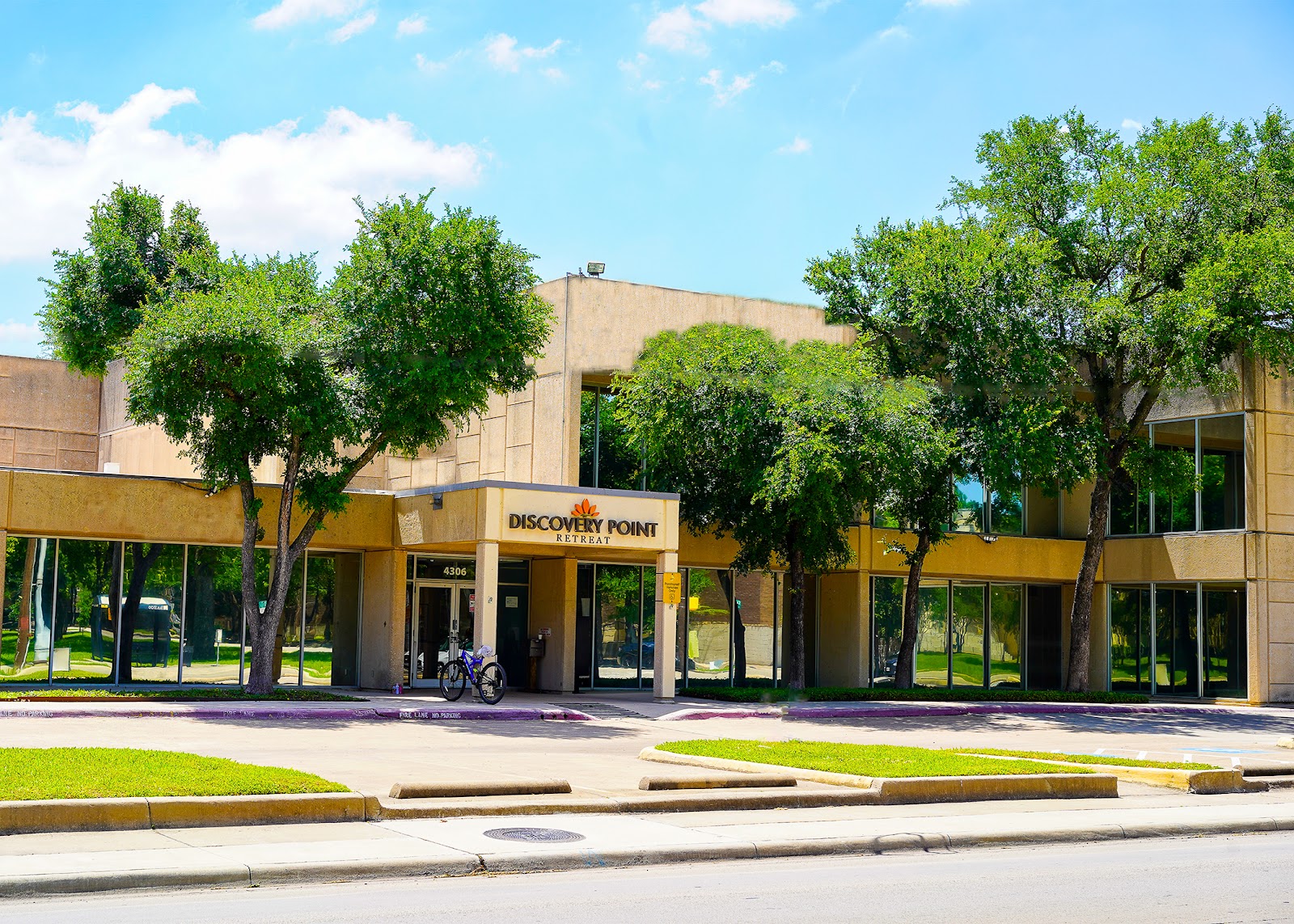
Discovery Point Retreat is in Dallas, Texas, and provides substance addiction and co-occurring mental health treatment for adults. The facility is in the heart of downtown metropolitan Dallas. Flexible Treatment Options Their Dallas location includes... |
214-946-5540 | Detox Inpatient Outpatient | Private Medicaid |
|
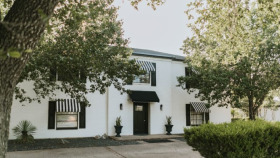
Heartwood Recovery Rehab & Sober Living |
6404 Ridge Oak Rd Austin, TX 78749
Heartwood Recovery is an innovative addiction treatment center located in the Oak Hill area of Austin, Texas. Their residential and outpatient treatment programs are designed to help adult men overcome drug and alcohol addictions. At... |
737-258-5720 | Detox Inpatient Outpatient | Private |
|
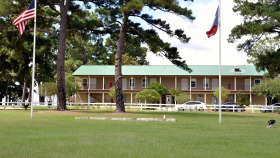
Willow Springs Recovery |
1128 Texas 21 Bastrop, TX 78602
|
8778043356 | Detox Inpatient Outpatient | Private |
|
|
Bay Area Recovery Center – Alcohol and Drug Rehab Houston |
1100 Hercules Ave #130 Houston, TX 77058
Bay Area Recovery Centers - Alcohol and Drug Rehab in Houston, Texas, can be found near League city, Clear Lake, and Highway 45. Support is available to clients of all ages, and the center’s approach... |
281-508-1352 | Detox Inpatient Outpatient | Private |
|
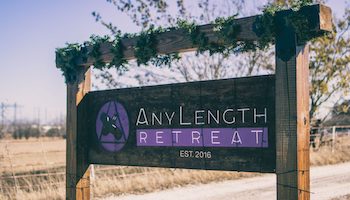
Any Length Retreat |
15401 Cameron Road Pflugerville, TX 78660
Any Length Retreat is a men’s residential addiction program that’s an alternative to traditional drug rehabs. They focus on mentoring, personal and spiritual development, brotherhood, and life skills training and wellness to help you stay... |
512-598-9968 | Inpatient | Private |
|
|
Cypress Lake Recovery |
1129 Highway 287 North Woodville, TX 75979
Cyprus Lake Recovery is a drug and alcohol rehab for up to 30 adults situated in a dense forest in Woodville, Texas. The remote location surrounded by the tranquility of nature provides an ideal backdrop... |
409-345-2822 | Detox Inpatient Outpatient | Private |
|
|
The Springboard Center |
200 Corporate Drive Midland, TX 79705
Located in Midland, Texas, the Springboard Center offers many elements that are unique and set them apart from traditional treatment centers. Of course, this clinic offers drug and alcohol addiction treatment, but the several ways... |
432-620-0255 | Inpatient Outpatient | Private |
Find Texas drug rehabs in cities near you or sort by letter.
Expert Insights
As a mental health professional helping Houston residents battling addictions to prescriptions medicines, I have witnessed how helpless addiction can make people feel.
The journey of progressing from a legitimate prescription like pain relievers after surgery or stimulants for ADHD to dependency when medical oversight ends is a journey that I wish everyone could be spared from.
451,000 individuals in Texas struggle with prescription use disorders according to the SAMHSA, and then University of Texas notes that 13.2% of university students misuse prescription stimulants. Our state ranks among the lowest states for access to mental health services according to a peer-reviewed article in Cureus.
This means vulnerable populations in desperate need of addressing trauma and learning coping skills to rebuild their lives are left behind. Addiction is a treatable condition and we must do better.
Texas is more affordable than most states for drug rehab (18th nationally, where 1 is the most affordable of the 50 states). The average cost of care here is $56,623, the average full cost of care before insurance. If you have a Marketplace health plan, your 2026 out-of-pocket maximum is no more than $10,600 for an individual or $21,200 for a family. That is the most you have to pay for covered, in-network services in a plan year. You can ask a program and your plan what you would pay.
Medical detox is the most expensive, with an average cost of $139,596
Inpatient rehab in Texas costs an average of $49,966
Outpatient rehab in Texas costs an average of $8,302
Outpatient methadone treatment is the most affordable, with an average cost of $7,377
The bars show the average cost of inpatient rehab paid without insurance in Texas and three nearby states: Louisiana, New Mexico and Oklahoma. Texas comes in second lowest of the five and close to the national average. For you, that means paying for care here looks a lot like paying for it across the country.
Texas has 1,000+ treatment programs, and how you pay for care can look different from one to the next. Private insurance, self-pay, Texas Medicaid, Medicare, military coverage and low-cost options all exist across the state. You can ask any program what it takes before you commit.

1,020 accept self-payment or cash

854 accept private health insurance

450 accept Texas Medicaid

292 accept Medicare

301 offer sliding-scale fees

376 offer financial assistance

48 offer free treatment

223 offer financing
Nearly all Texas programs let you pay out of pocket, and most take private insurance. If you have a plan, you can ask a program whether it works with your rehab insurance and what your share of the cost would be.
Many Texas programs take Texas Medicaid. The program includes substance use disorder services such as withdrawal management, residential treatment, outpatient treatment and medication assisted treatment, including care from opioid treatment providers. If you have Texas Medicaid, ask a program whether it takes your plan.
Some Texas programs take Medicare. If you have Medicare, you can ask a program whether it accepts your coverage and what you would pay.
TRICARE moved from the TRICARE East Region to the TRICARE West Region on January 1, 2025, one of six states to move. TriWest Healthcare Alliance is the regional contractor. Veterans can find VA care at the Dallas VA Medical Center, the Central Texas Veterans Health Care System and the Michael E. DeBakey VA Medical Center. The South Texas Veterans Health Care System, the Amarillo VA Health Care System and the West Texas VA Health Care System serve veterans too. You can find more military and veterans resources across the state.
Three federally recognized tribal nations are based in Texas: the Alabama-Coushatta Tribe of Texas, the Kickapoo Traditional Tribe of Texas and the Ysleta del Sur Pueblo. Under an August 2025 Indian Health Service (IHS) update, three IHS Areas cover IHS, tribal and urban Indian organization facilities in Texas: Nashville, Albuquerque and Oklahoma City. The Urban Inter-Tribal Center of Texas is an urban Indian organization facility under the Oklahoma City Area. If you are a tribal member, you can ask your nation’s health program or the Center about substance use services.
Some Texas programs offer sliding scale fees based on what you can pay, and some offer financial assistance, financing or free care. You can ask any program what low-cost options it has before you start.
Texas has 1,000+ addiction treatment programs, and your way into publicly funded care starts close to home. Your first call is your local outreach, screening, assessment and referral center, known as an OSAR. You can reach the OSAR in your region 24 hours a day, seven days a week, for immediate, confidential help with substance use. After you make contact, your services and treatment plan depend on your situation. They can include screening, assessment, detox, residential treatment, outpatient treatment and case management. You may qualify for services based on need, whatever you can pay.
The Texas Health and Human Services Commission runs and funds these services for adults and youth across Texas. Its Substance Use Service Locations map shows OSARs and substance use services near you, so you know where to call. The commission also licenses and regulates chemical dependency treatment facilities. That means a program needs a state license to operate, and you can ask any program about its license before you start.
One statewide effort, the Texas Targeted Opioid Response, expands access to prevention, treatment and recovery support for Texans with opioid and stimulant use disorders. If opioids or stimulants are part of your life, it can mean more ways into care. Texas Medicaid runs under a state plan approved by the Centers for Medicare and Medicaid Services.
Free and low-cost help reaches across Texas. You can call or text crisis and support lines, find care for veterans, or join family and peer support groups. There are harm reduction programs and recovery housing too. Anyone in Texas can order free naloxone online from Naloxone Texas, a statewide program run by The University of Texas at San Antonio with 10 community hubs. If you or someone close to you needs suicide prevention support, you can call or text for help at any hour.
Texas has 1,000+ treatment programs, and the state’s drug and alcohol use statistics show why they matter. Most Texans aged 12 or older who needed substance use treatment in the past year did not get it. Efforts like the Texas Targeted Opioid Response and the OSAR centers aim at that gap, so you have more than one way into care.
Drug overdose deaths per 100,000 people in Texas, 2024
Texans 12 and older with a substance use disorder in the past year, 2023-2024
Texans 12 and older who needed substance use treatment and did not receive it, 2024
Adults in Texas who binge drank in the past month, 2025
Set against the nation, Texas tells two stories. Drug overdose deaths here run well below the national rate and below all three nearby states. Binge drinking runs the other way: the share of Texas adults who binge drank in the past month sits just above the national median. And fewer Texans than the national share had a substance use disorder in the past year.