

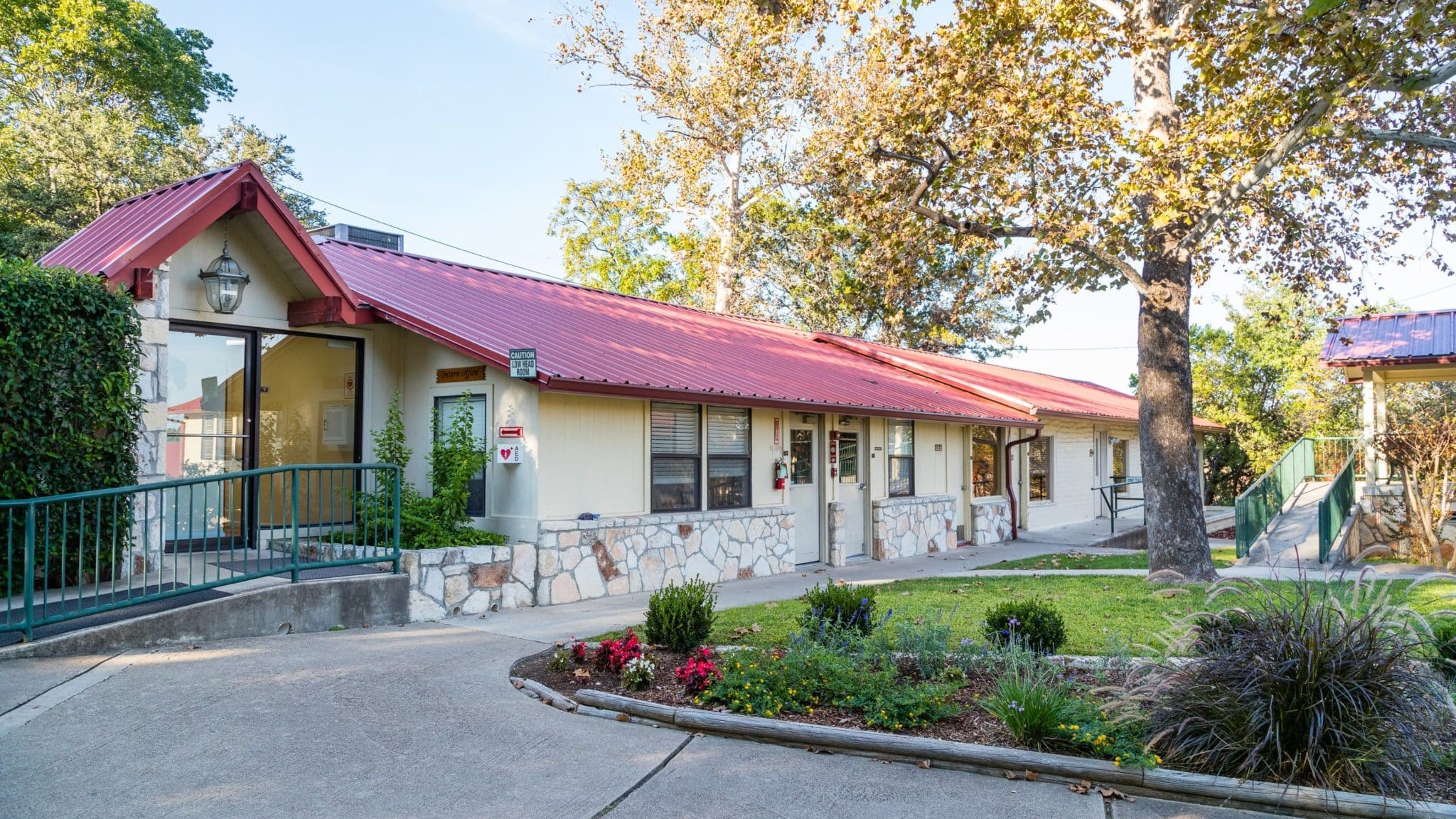
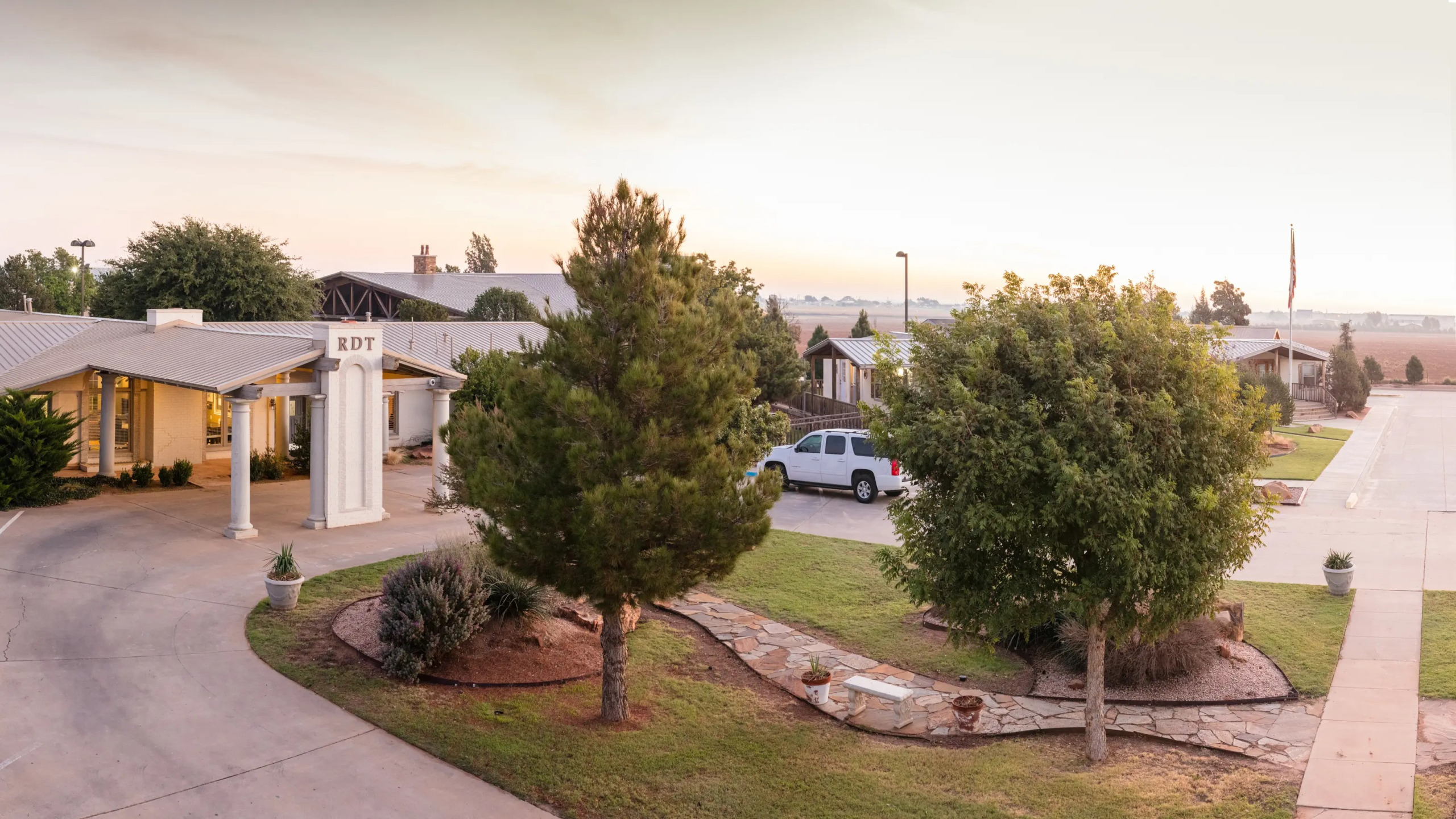
La Hacienda Treatment Center
Hunt, TX
78024

Explore Dallas, Texas rehab centers offering inpatient detox, outpatient therapy, alcohol recovery programs, and dual diagnosis treatment. Access trusted resources for substance abuse and mental health support.
 800-785-0495
 Sponsored

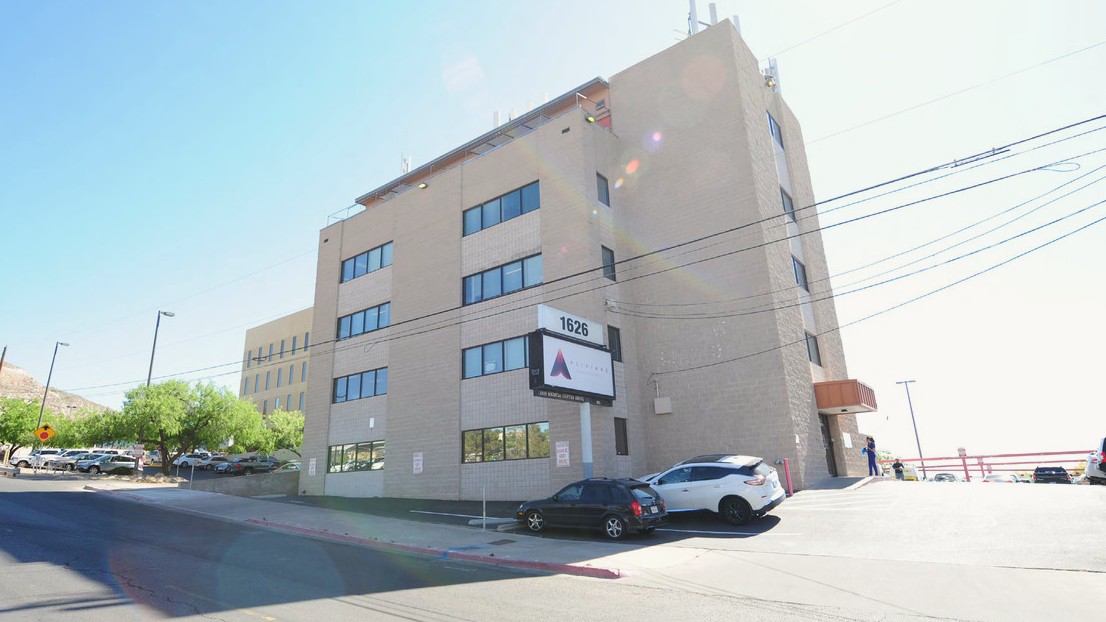
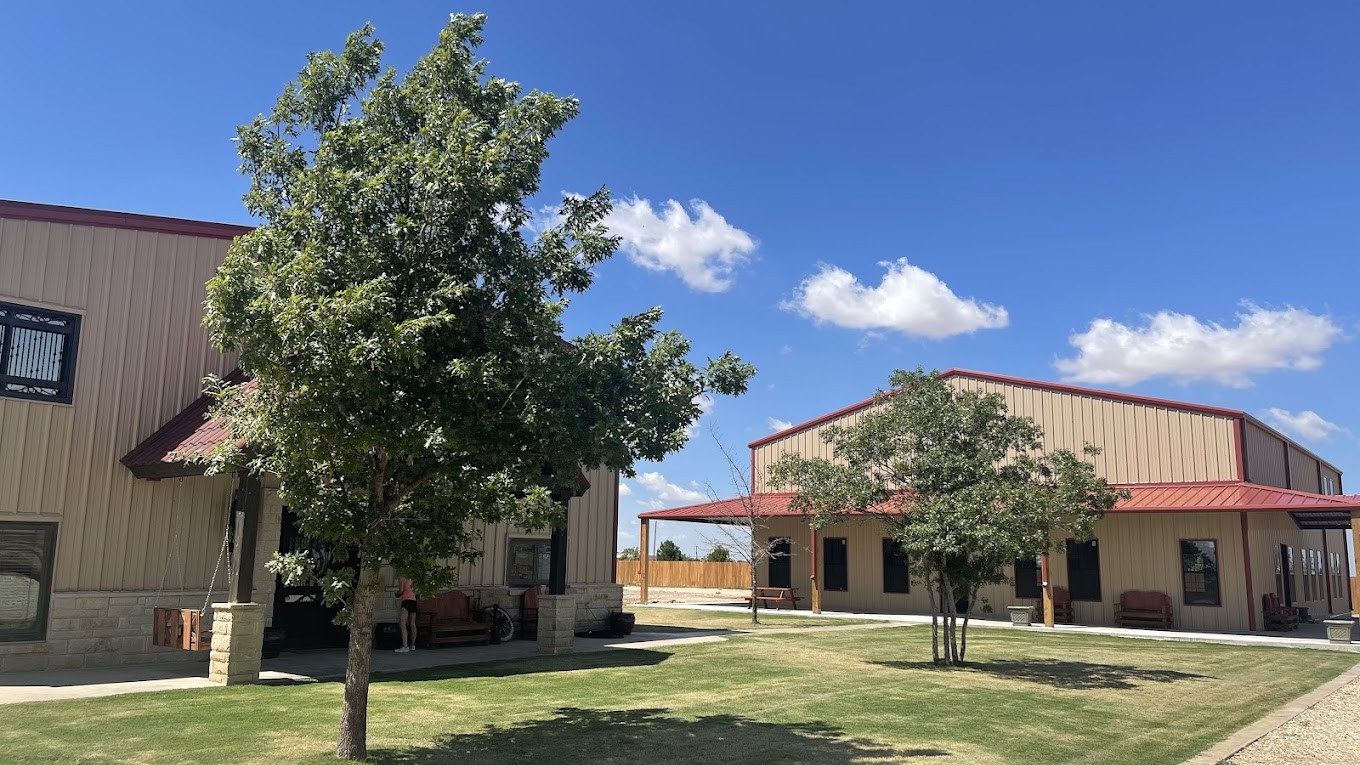
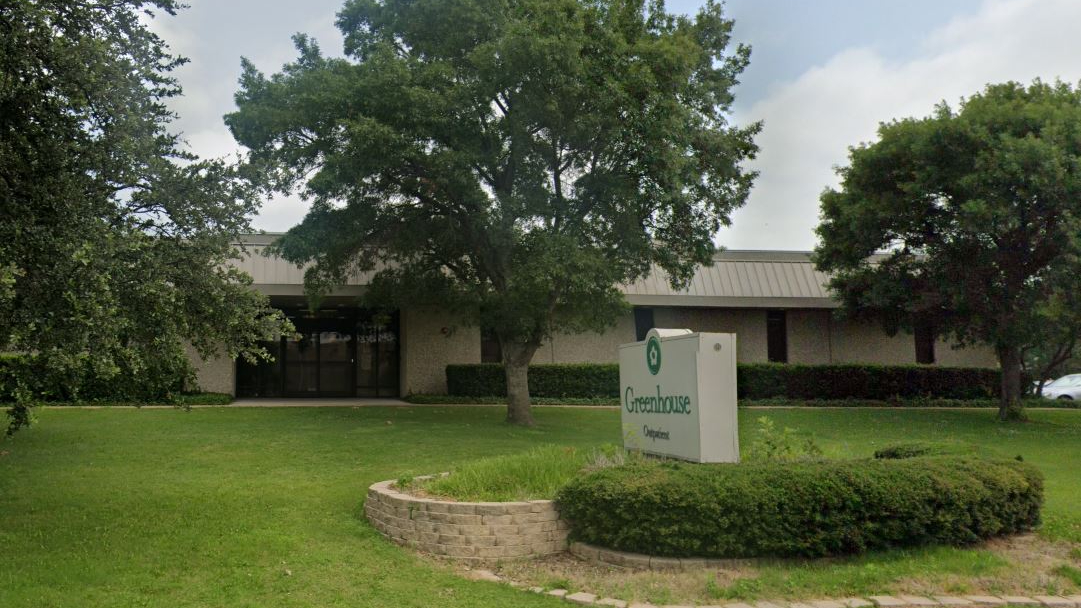

 Close
Close| Thumbnail | Name | Address | Phone | Treatment | Insurance |
|---|---|---|---|---|---|
|
Lighthouse Recovery Texas |
5344 Alpha Road dallas Dallas, TX 75240 Lighthouse Recovery Texas, located in Dallas, Texas is a drug and alcohol rehab for adults specializing in dual diagnosis care, partial hospitalization programs (PHPs), intensive outpatient programs (IOPs), outpatient treatment, sober living, and extended care... |
214-974-5876 | Outpatient | Private |

|
The Magdalen House |
4513 Gaston Avenue Dallas, TX 75204 The Magdalen House is located in Dallas, Texas, and has been helping women battle substance abuse mental health disorders since 1987. The facility offers a first step residential program which is normally two weeks long... |
214-324-9261 | Detox | Free |

|
New Season Treatment Center - Dallas Westmoreland |
1050 N Westmoreland Rd Suite 330 Dallas, TX 75211 Based in Dallas, Texas, this is just one of many New Season Treatment Centers. Outpatient drug rehab services are available here for adults both in Dallas as well as in surrounding areas like Grand Prairie,... |
214-946-5540 | Detox Inpatient Outpatient | Private |
|
Arise Recovery Centers Dallas Alcohol and Drug Rehab |
5440 Harvest Hill Road, 230, Dallas, TX 75230 Since outpatient treatment is less expensive than inpatient care, it offers a more affordable option for many people. It also allows flexibility to continue your daily family or work obligations. You can learn how to... |
(214) 613-0616 | Outpatient | Private |

|
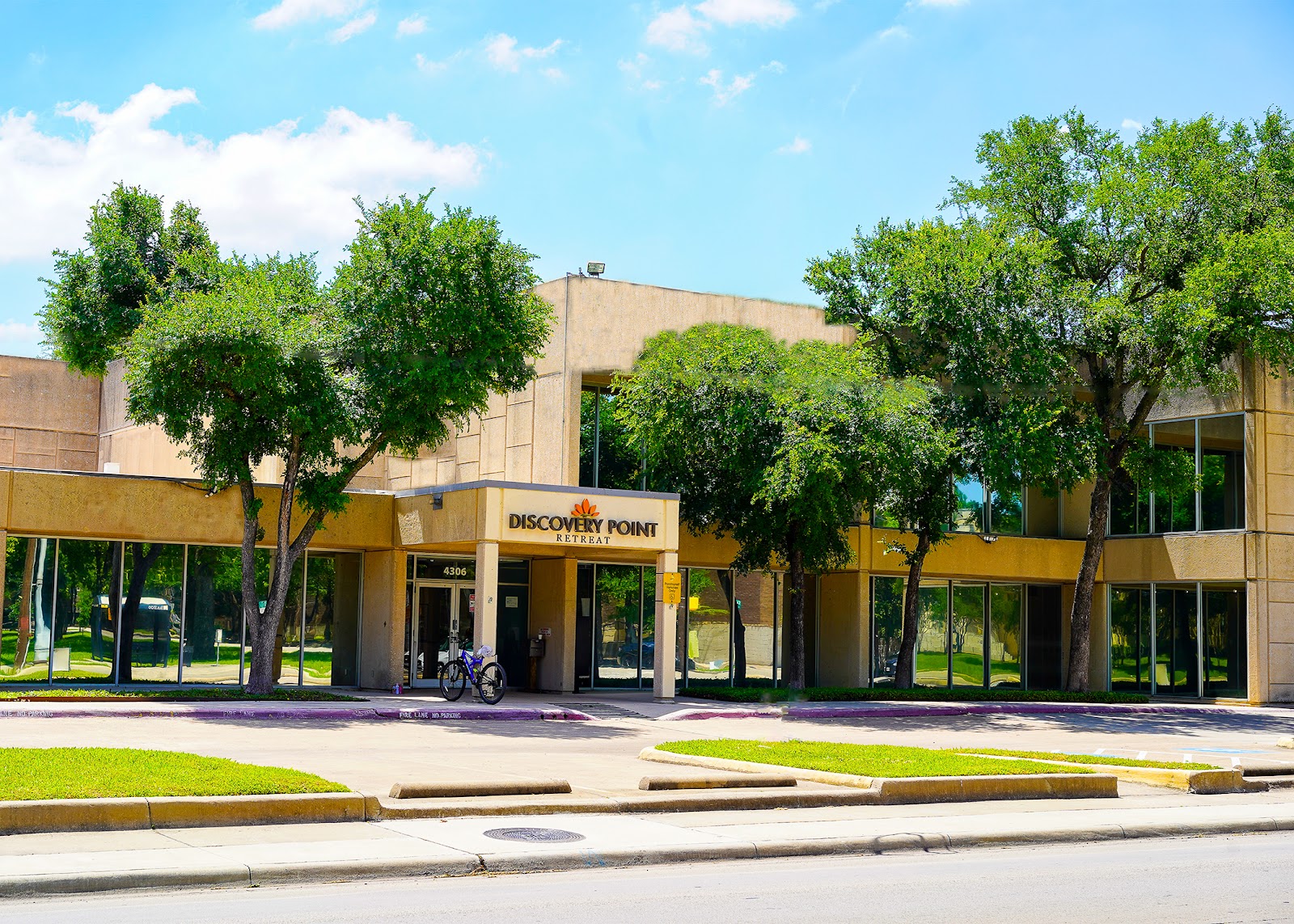
Dallas County Treatment Center |
4306 Capitol Avenue, Dallas, TX 75204 Discovery Point Retreat is in Dallas, Texas, and provides substance addiction and co-occurring mental health treatment for adults. The facility is in the heart of downtown metropolitan Dallas. Flexible Treatment Options Their Dallas location includes... |
214-946-5540 | Detox Inpatient Outpatient | Private Medicaid |
|
|
Homeward Bound Dallas Outpatient |
5300 University Hills Blvd Dallas, TX 75241 Homeward Bound provides inpatient and outpatient mental health and substance abuse services for Texas residents. They have three locations for substance abuse outpatient programs including one in Dallas. This clinic is located in East Dallas... |
214-941-3500 | Detox Inpatient Outpatient | Private |
|
|
Nexus Recovery Center |
8733 La Prada Drive Dallas, TX 75228 Nexus Recovery Center is a substance abuse treatment center for women and families in Dallas, Texas. Here women who are pregnant, parenting, or neither can attend residential and outpatient addiction treatment. Women can also obtain... |
214-321-0156 | Detox Inpatient Outpatient | Medicaid Private |
|
Turning Point Recovery Plano |
5710 Lyndon B Johnson Fwy STE #165 Dallas, TX 75230 |
9729700100 | Detox Inpatient Outpatient | Private |
|
Medical City Green Oaks Hospital |
7808 Clodus Fields Dr Dallas, TX 75251 |
972-991-9504 | Detox Inpatient Outpatient | Private |
|
Solace Counseling Dallas |
1475 Prudential Drive Dallas, TX 75235 |
214-522-4640 | Detox Outpatient | Private |
|
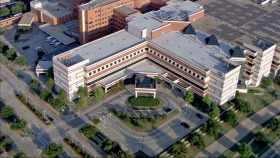
VA North Texas Health Care System Dallas VA Medical Center |
4500 South Lancaster Road Dallas, TX 75216 |
214-742-8387 | Detox Inpatient Outpatient | Private |
|
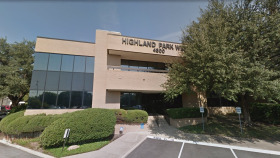
Solutions Outpatient Services |
4300 Macarthur Avenue Suite 270 Dallas, TX 75209 |
214-369-1155 | Outpatient | Private |
|
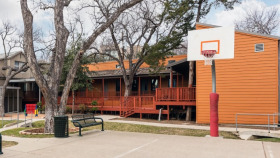
Phoenix House Dallas |
2345 Reagan St Dallas, TX 75219 |
844-748-3927 | Detox Inpatient Outpatient | Private |
|
|
Origins Counseling Dallas |
12870 Hillcrest Road Suite H226 Dallas, TX 75230 |
469-702-9786 | Outpatient | Private |
|
|
Texas Native Health (formerly Urban Inter-Tribal Center of Texas) |
1283 Record Crossing Road Dallas, Texas 75235 |
Detox Inpatient Outpatient | Private | |
|
|
Metrocare Skillman Family Mental Health Clinic |
9708 Skillman St Dallas, TX 75243 |
Detox Inpatient Outpatient | Private | |
|
|
Homeward Bound on Lone Star |
2535 Lone Star Dr Dallas, TX 75212 |
Detox Inpatient Outpatient | Private | |
|
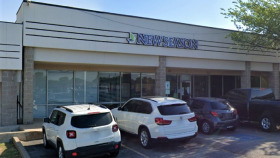
New Season Treatment Center Dallas |
123 East Colorado Boulevard Dallas, TX 75203 |
214-946-5540 | Detox Outpatient | Medicaid Private |
|
Recovery Monitoring Solutions |
9090 North Stemmons Suite A Dallas, TX 75247 |
214-819-1400 | Outpatient | Medicaid |
|
Shurruns House Sober Living Transitional Home |
2027 Teagarden Court Dallas, TX 75217 |
972-207-1604 | Inpatient | N/A |
|
Cross Roads Recovery Center |
5552 South Hampton Road Dallas, TX 75232 |
214-339-3181 | Detox Outpatient | N/A |
|
Turtle Creek Recovery Center |
2707 Routh Street Dallas, TX 75201 |
214-871-2483 | Detox Inpatient Outpatient | Medicaid |
|
Real Deal Northeast Dallas Sober Living |
10219 Sunridge Trail Dallas, TX 75243 |
469-599-2162 | Detox Inpatient Outpatient | Private |

|
Mantra Recovery |
1509 Main St Dallas, TX 75201 |
214-997-3328 | Detox Inpatient Outpatient | Private |

|
Homeward Bound |
315 Sunset Avenue Dallas, TX 75208 |
Detox Inpatient | Medicaid Private | |
|
Hill A. Feinberg Academy and Counseling Center |
2345 Reagan Street Dallas, TX 75219 |
Detox Inpatient Outpatient | Medicaid Private | |
|
The Magdalen House |
4513 Gaston Ave Dallas, TX 75246 |
Detox Inpatient Outpatient | Private | |

|
Community Residential Treatment Counseling |
1350 North Buckner Boulevard, 106, Dallas, TX 75218 |
Outpatient | Private | |
|
Insights Collaborative Therapy Group |
8140 Walnut Hill Lane Suite 450 Dallas, TX 75231 |
Outpatient | N/A | |
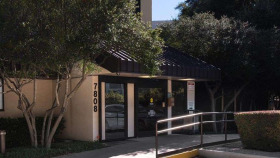
|
Medical City Green Oaks |
7808 Clodus Fields Drive Dallas, TX 75251 |
Detox Inpatient Outpatient | Medicaid Private | |
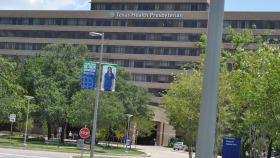
|
Texas Health Behavioral Health Dallas |
8200 Walnut Hill Lane Dallas, TX 75231 |
Detox Inpatient Outpatient | Private | |
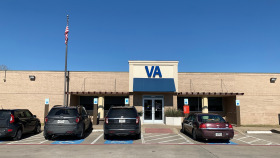
|
Polk Street VA Clinic |
4243 South Polk Street Dallas, TX 75224 |
Detox Inpatient Outpatient | Private | |
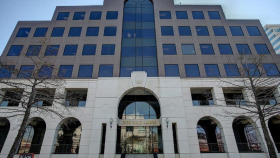
|
Vantage Point Counseling Services Dallas |
3300 Oak Lawn Suite 601 Dallas, TX 75219 |
N/A | N/A | |
|
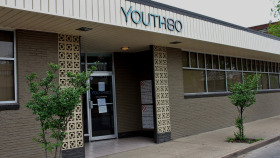
Youth180 North Oak Cliff Center |
201 South Tyler Street Dallas, TX 75208 |
Outpatient | Medicaid |
View more listings near Dallas or search by the letter of cities in Texas.
Expert Insights
You might not think about the addiction treatment industry when talking about inflation, but there is no escape for any citizen or any business. And when you start putting the pieces of the puzzle together, it becomes crystal clear how inflation could potentially cause millions of Americans to pass up a chance to go to rehab or embrace an opportunity for recovery. Drug rehabs in Texas are facing funding issues, thanks to rising costs of operation, lackluster funding from the state, and an opioid crisis with no end in sight. So in order to receive additional funding needed for the rest of the year, over the next few weeks, you’ll see a wealth of representatives from Texas rehabs testifying before the finance committee for the Texas Health and Human Services Commission. Treatment centers from every corner of the state must lobby for vital funds that will allow them to keep their doors open, continue treating as many clients as possible, and operating robust recovery and aftercare programs.
Our Dallas listings are built from publicly verifiable sources, including the SAMHSA treatment locator (findtreatment.gov), state licensure records from the Texas Health and Human Services Commission, and accreditation rosters maintained by The Joint Commission, CARF, and the National Association of Addiction Treatment Providers (NAATP). We do not accept payment in exchange for placement, ranking, or favorable treatment of any facility.
Every facility on this page has been screened against the criteria below before being included:
Listings are refreshed against public records on a recurring cycle. If you spot information that looks out of date, contact us so we can verify and correct it.
Dallas is the county seat of Dallas County and the anchor of the Dallas-Fort Worth metroplex, a region that crossed 8.3 million residents in 2024 and remains one of the fastest-growing metro areas in the country. The city itself sits at the center of a treatment network covering Dallas, Collin, Denton, and Tarrant counties, and is home to 70 addiction treatment facilities across detox, inpatient, outpatient, and sober-living levels of care. Our full directory is part of the broader Texas rehab centers network.
Behavioral health care in Dallas County is coordinated by the North Texas Behavioral Health Authority (NTBHA), the Local Behavioral Health Authority contracted by Texas HHSC to manage mental health and substance use services for Dallas, Ellis, Hunt, Kaufman, Navarro, and Rockwall counties. NTBHA operates an Outreach, Screening, Assessment and Referral (OSAR) team that connects uninsured and underinsured residents to publicly funded treatment slots and routes crisis calls through a 24/7 hotline.
The largest direct provider in the network is Metrocare Services, a nonprofit operating multiple clinics across the city offering outpatient counseling, medication management, and substance use programming on a sliding scale.
The opioid crisis hit Dallas County hard between 2019 and 2023, with overdose death rates climbing 61% over that period, significantly outpacing both the state and national increases. Fentanyl drove most of the rise, contributing to roughly 80% of opioid overdose deaths in Dallas County by 2023.
Preliminary 2024 data show a meaningful decline, with overdose deaths falling from 2023 to 2024, a shift public health officials attribute to expanded naloxone distribution, opioid response teams, and overdose-mapping technology now being used in the field.
Local infrastructure beyond the treatment system also shapes how people enter care in Dallas. The Dallas Initiative for Diversion and Expedited Rehabilitation and Treatment (DIVERT Court), established in 1998, diverts non-violent felony drug cases into supervised addiction treatment programs as an alternative to incarceration.
Dallas County Health and Human Services also runs a free naloxone distribution program for businesses, libraries, shelters, and community organizations, supported by a $2.2 million CDC Overdose Data to Action grant.





Treatment costs in Dallas track closely with Texas state averages, which vary substantially by level of care. Texas residents who enter residential treatment pay an average of $54,500 for a 30-day program, while outpatient programs average closer to $9,000 across a typical course of care. Given the higher cost of living and labor in the Dallas-Fort Worth metroplex, prices at private-pay facilities in Dallas tend to land at or above the state average, particularly for inpatient and luxury-tier care. For most people, using insurance for rehab dramatically lowers what they actually pay out of pocket.
These figures are averages and shift significantly based on the factors below. A short inpatient stay at a community-based program looks very different from a 90-day luxury residential program, and most people in Dallas pay only a fraction of the sticker price once insurance, financial assistance, or sliding-scale fees are applied.





Of the 70 facilities listed in Dallas, the vast majority accept multiple payment types, so cost should rarely be the reason someone goes without care. 66 accept self-pay, 47 accept private insurance, and a meaningful subset accept Medicaid, Medicare, sliding-scale fees, or offer financial assistance. The breakdown below summarizes what facilities reported in public regulatory data.






Medicare beneficiaries in Dallas can use Part A coverage for inpatient hospital-based detox and rehabilitation, and Part B coverage for outpatient counseling, medication management, and partial hospitalization. Coverage now also includes opioid treatment program services such as methadone and buprenorphine when delivered by SAMHSA-certified providers. Out-of-pocket costs depend on the deductible, coinsurance, and whether the beneficiary carries a Medigap or Medicare Advantage plan. The seven Dallas facilities that accept Medicare are a good starting point for older adults, retirees, and people on Social Security Disability Insurance.
Texas Medicaid is delivered through managed care programs, including STAR (low-income families and children), STAR+PLUS (adults with disabilities and seniors), and STAR Health (foster youth). Substance use disorder benefits include outpatient counseling, intensive outpatient treatment, medication-assisted treatment, and time-limited residential detox with prior authorization. Texas has not expanded Medicaid under the ACA, so adult eligibility is narrower than in many other states, which is why the OSAR (Outreach, Screening, Assessment and Referral) network and state-funded indigent treatment slots play an especially important role in Dallas. When MAT is part of the care plan, Medicaid generally covers medication-assisted treatment using methadone, buprenorphine, or naltrexone.
Active duty service members, retirees, and eligible family members in Dallas can use TRICARE to cover residential and outpatient substance use treatment. Veterans enrolled in VA health care can receive integrated addiction and mental health treatment at the VA North Texas Health Care System / Dallas VA Medical Center, which offers detox, residential rehab, intensive outpatient programming, and MAT for alcohol, opioid, and tobacco use disorders.
The Dallas VAMC also runs targeted programming for women veterans, LGBTQ+ veterans, and veterans experiencing homelessness. Browse additional rehab resources for veterans and military for more on benefits and program eligibility.
Federal parity law and Texas HB 10 require fully insured private health plans to cover substance use disorder treatment on terms comparable to medical and surgical care. In practice, that means most major carriers cover medically necessary detox, residential treatment, intensive outpatient programs, and ongoing therapy, subject to in-network rules and prior authorization. Self-pay is still common for people seeking out-of-network programs, luxury or executive care, or programs that have chosen not to bill insurance.
Beyond insurance, 14 Dallas facilities reported offering financial assistance, 11 offer sliding-scale fees based on income, and 9 offer payment plans or financing. The NTBHA OSAR team can screen uninsured residents and connect them with state-funded indigent treatment slots, and several local nonprofits accept clients regardless of ability to pay.
One Dallas-area facility reports offering treatment at no cost to all clients, and several others provide free care to clients who qualify by income, criminal-justice status, or veteran status. State-funded indigent treatment slots, the Salvation Army Adult Rehabilitation Center’s six-month residential work-therapy program, and VA care for eligible veterans are all paths into treatment without paying out of pocket. People considering this route can also explore rehab scholarships offered by individual facilities.
Dallas offers a full continuum of addiction treatment, with 40 medical detox programs, 35 inpatient or residential programs, 60 standard outpatient clinics, and 37 dual diagnosis programs for people managing co-occurring mental health conditions alongside a substance use disorder.




Detox is the first step for people physically dependent on alcohol, opioids, benzodiazepines, or other substances, for whom withdrawal can be medically dangerous. Medical detox programs in Dallas typically last three to seven days and combine 24-hour monitoring with medications that manage withdrawal symptoms and reduce risk.
Residential programs deliver structured treatment in a live-in setting, generally for 30, 60, or 90 days. They are the most appropriate setting for people with more severe substance use disorders, unstable home environments, or co-occurring conditions that need close supervision. Dallas’s inpatient rehab options range from hospital-based units to free-standing residential programs.
Partial hospitalization (PHP) and intensive outpatient (IOP) programs sit between residential treatment and weekly counseling. PHP typically runs five to six hours a day, five days a week; IOP runs nine to fifteen hours a week. Standard outpatient treatment, which is the most common level of care in Dallas, can mean weekly therapy, medication management, or group counseling. Browse outpatient rehab and intensive outpatient programs for more on what each level looks like.
More than half of Dallas’s listed facilities treat co-occurring disorders, integrating substance use care with treatment for conditions like co-occurring depression, anxiety, PTSD, or bipolar disorder. Integrated care produces better outcomes than treating the conditions separately.
MAT combines FDA-approved medications such as buprenorphine, methadone, and naltrexone with counseling to treat opioid and alcohol use disorders. The Dallas VAMC, several Metrocare clinics, and several private programs offer MAT.
Sober living homes offer drug- and alcohol-free housing for people transitioning out of residential treatment, typically with house rules, peer accountability, and drug testing. Aftercare planning, including outpatient therapy, peer support meetings, and case management, is one of the strongest predictors of long-term recovery. Plan for rehab aftercare before leaving residential care, not after.
Dallas treatment programs report a wide range of specialty tracks designed for specific populations and substance types. Targeted programming matters because what works for a young adult in college often will not fit a veteran, a parent in custody negotiations, or someone in their late sixties.







The largest specialty cohorts mirror what we see in the local overdose data and demographics: programs serving people with alcohol use disorder dominate the listings, followed by programs focused on opioid use disorder.
Programs for young adults are heavily represented because Dallas is a relatively young metroplex, and gender-specific programming remains common across both inpatient and outpatient settings. People looking for affirming care can filter for one of the 10 facilities reporting LGBTQ+ affirming addiction care, and the five facilities offering targeted programming for veterans complement the broader benefits available through the Dallas VAMC.
If cost or insurance is a barrier, the resources below can connect Dallas residents with crisis support, screening and referral, harm reduction supplies, or free and low-cost treatment slots. Most are publicly funded or operated by established nonprofits.
Dallas County’s overdose picture changed sharply between 2019 and 2024. After climbing for five straight years and outpacing both the Texas and U.S. trend lines, fatal overdoses declined in 2024 as expanded naloxone distribution and opioid response teams took hold.
Even with the recent decline, fentanyl remains the dominant driver of overdose deaths in Dallas County, and the long-term trajectory still shows substantially more loss of life than before the synthetic opioid crisis began. The shift is visible in national substance use statistics as well, where the U.S. saw its first overdose decline in five years in 2023.
Alcohol continues to compound the picture. Dallas County had the second-highest DWI crash rate in Texas in 2023, and the city of Dallas recorded 148 alcohol-related traffic deaths that year, a reminder that opioid statistics are only part of the substance use burden carried by the region.