









Expert Insights
With the famous SXSW concerts kicking off soon in the city of Austin, area residents brace for an influx of young concertgoers, traffic, long lines at the grocery stores, and unfortunately, drugs. While typical fears related to drug abuse and intoxication are shared by members of the public, law enforcement, hospitals and EMS workers, this year’s outdoor festival scene could turn out to be particularly deadly, thanks to the presence of fentanyl in nearly every drug sold on the black market.
Across the country, we have drugs like heroin, cocaine, Xanax, oxycodone, OxyContin, and even marijuana being sold by dealers who have laced their products with enough fentanyl to kill an entire town. Now that SXSW is here, I fear the nightly news reports will be packed with instances of fentanyl overdose and fentanyl-related deaths.
How We Rank Listings
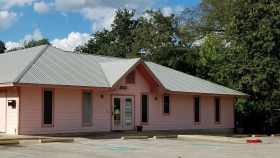
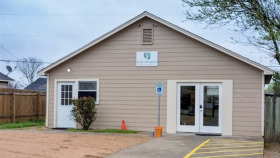
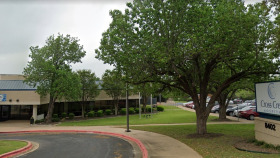
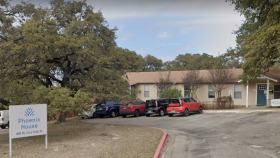
The rehab centers listed on this page are drawn from our nationwide treatment directory and organized to help Austin residents compare real options quickly. Listings reflect the facility data we hold on each center, including level of care, accepted insurance and payment types, accreditation, and specialty programs. We do not sell placement, and a facility cannot pay to appear higher in the results.
When we present facilities, we prioritize centers with verifiable accreditation from bodies such as the Joint Commission or CARF, current state licensing, and clear information about the services they provide. Where a listing shows insurance acceptance or a specific program, that reflects information supplied by the facility. We update listings when a center reports a change, and we encourage anyone considering treatment to confirm current availability, cost, and insurance acceptance directly with the provider before making a decision.
Rehab in Austin: What to Know
Austin is the county seat of Travis County and the capital of Texas, with a city population of roughly 1 million and a wider Austin-Round Rock-Georgetown metro that pushes past 2.4 million. Our directory currently tracks 62 treatment facilities in the Austin area, spanning medical detox, residential inpatient, outpatient care, and dual diagnosis programs.
That gives people searching here a genuinely deep local network compared with most Texas cities, though availability at any single program still depends on bed space and insurance acceptance on the day you call. You can also broaden your search through the Texas rehab directory if you are open to traveling for the right fit.
Two public institutions anchor behavioral health care in Travis County. Central Health is the county’s public hospital district, funding care for low-income and uninsured residents, while Austin Travis County Integral Care serves as the local mental health authority and provides community-based substance use and mental health services regardless of ability to pay.
Larger health systems, including Ascension Seton, St. David’s HealthCare, and the growing UT Austin academic medical presence, round out the clinical landscape and often serve as the entry point for medically supervised detox. If you are weighing which level of care fits your situation, our overview of addiction treatment options walks through how programs differ.
The most important local context for anyone seeking help in Austin is the fentanyl-driven overdose crisis of the past several years. Travis County recorded 486 accidental overdose deaths in 2023, its worst year on record, before a coordinated public health response helped bring that number down to 380 in 2024, a 22 percent drop.
Fentanyl remains the single largest driver of those deaths, which is why many local programs now build medication-assisted treatment and overdose education directly into intake. Understanding fentanyl overdose risk matters here more than in most parts of the country.
Geography shapes access in Austin the way it does across Central Texas. Most residential and detox facilities cluster in the urban core and along the I-35 and MoPac corridors, while suburban communities in Round Rock, Cedar Park, Pflugerville, and Kyle feed into the same regional system. Some people commute 30 to 45 minutes for outpatient sessions, and confirming intake hours and insurance before you drive out can save a wasted trip.




Cost of Rehab in Austin
There is no single published price for rehab in Austin because cost depends on the level of care, the length of stay, and whether a program is private, nonprofit, or publicly funded. The most useful benchmark is the statewide average for each type of care in Texas. These figures represent the full cost of an episode of care without insurance, and most people pay considerably less once insurance, Medicaid, or sliding-scale discounts are applied.
As the fourth-largest metro in Texas, Austin tends to sit at or slightly above these statewide averages for private-pay residential care, especially at facilities offering private rooms or added amenities, because urban operating costs run higher.
On the other end, publicly funded and nonprofit programs in Travis County cost a fraction of the private-pay figures, and several do not turn people away for inability to pay. If cost is your main concern, checking your coverage first through verifying your rehab benefits is usually the fastest way to narrow the field. The gap between an inpatient program and outpatient care is wide enough that level of care is often the biggest single factor in what you will actually pay.




How to Pay for Rehab in Austin
Across the 62 Austin-area facilities in our directory, the majority accept some combination of self-payment, private insurance, and public coverage. Payment options are one of the first things to confirm when you call, because acceptance varies widely from one program to the next. The counts below reflect how many local facilities report accepting each option.






Because no two plans cover addiction treatment the same way, it is worth understanding how each payment path works before you commit to a program.
Medicare
Ten Austin-area facilities in our directory accept Medicare. Both Original Medicare and Medicare Advantage plans cover medically necessary substance use treatment, including inpatient detox, hospital-based residential care, partial hospitalization, intensive outpatient, standard outpatient counseling, and FDA-approved medications for opioid use disorder.
Coinsurance, deductibles, and prior authorization rules vary by plan, and Advantage plans usually require in-network providers. For a fuller walk-through of how Medicare covers addiction treatment, review your coverage before choosing a facility.
Medicaid
Sixteen local facilities accept Texas Medicaid, which is delivered through managed care plans including STAR, STAR+PLUS, STAR Kids, and Traditional Medicaid. Covered services generally include outpatient counseling, intensive outpatient and partial hospitalization, residential treatment with prior authorization, and medication-assisted treatment for opioid use disorder. Coverage details and authorization requirements depend on your specific plan, so confirm both your plan type and the facility’s participation when you call.
Military Benefits
Six Austin facilities accept TRICARE, and veterans have an additional path through the Department of Veterans Affairs. The Austin VA Outpatient Clinic and the Austin Vet Center both connect eligible veterans to substance use treatment, sometimes at no cost. See our rehab resources for veterans and military for more on eligibility and what is covered.
Insurance and Private Pay
Forty-five facilities accept private health insurance and 54 accept self-payment, making these the two most widely accepted options in Austin. Under federal parity rules, insurers that cover behavioral health must do so on terms comparable to medical and surgical care, but the specifics, deductibles, copays, day limits, and in-network requirements differ by plan. Confirming benefits directly with both your insurer and the facility avoids surprise bills.
Other Low-Cost Options
Beyond insurance, 13 Austin facilities report offering financial assistance, 11 offer financing, and 8 use sliding-scale fees based on income. These options can bring the cost of care within reach for people who are uninsured or underinsured.
Free Treatment Programs
No Austin facilities in our directory report offer fully free treatment to all clients, but publicly funded care is available. Integral Care, the county’s local mental health authority, provides substance use services regardless of ability to pay, and scholarship funding can offset costs at some private programs. Our guide to rehab scholarships explains how to find and apply for that kind of aid.
- Aetna
- Blue Cross Blue Shield of Texas
- Cigna
- Humana
- Superior HealthPlan
- UnitedHealthcare
- Molina Healthcare
- TRICARE
Levels of Care Available in Austin
Austin’s 62 facilities provide a full continuum of addiction care, from 25 medical detox programs and 28 inpatient rehabs through 47 outpatient clinics and 37 dual diagnosis programs. The right starting point depends on the severity of the substance use, whether medically supervised withdrawal is needed, and how much day-to-day structure a person requires.






Medical detox is the supervised first step for anyone physically dependent on alcohol, opioids, or benzodiazepines, where withdrawal can be dangerous without medical support. Austin has 25 programs offering this level of care. Learn more about what to expect from medical detox.
Inpatient and residential rehab provide 24-hour care in a live-in setting, which suits people who need to step away from triggers and focus fully on early recovery. With 28 programs locally, residential treatment is well represented in the Austin market.
Outpatient and partial hospitalization programs let people live at home while attending scheduled treatment, ranging from part-time counseling to near-daily structured care. Austin’s 47 outpatient clinics and 5 partial hospitalization programs make outpatient rehab and intensive outpatient programs the most accessible options for those balancing work or family.
Dual diagnosis care treats a substance use disorder alongside a co-occurring mental health condition such as depression or anxiety. With 37 local programs equipped for this, it is one of the deeper specialty areas in Austin.
Sober living homes offer structured, substance-free housing for people transitioning out of treatment. Austin has 15 such homes, which pair well with rehab aftercare, supporting long-term recovery.
Specialty Programs in Austin
Many Austin facilities tailor care to specific populations, which can make a meaningful difference in how comfortable and effective treatment feels. The counts below reflect programs in our directory that report each specialty focus.






With 43 programs, alcohol remains the most commonly treated substance in Austin, consistent with statewide patterns where alcohol use disorder affects more people than any other single substance. The 31 programs focused on opioid use disorder reflect the community’s response to the fentanyl crisis.
Austin also has strong young adult representation, with 42 programs, and dedicated tracks for men and women. Veterans can find focused support at the 5 military programs and through rehab resources for veterans and military, while the 4 LGBTQ+ affirming addiction care programs serve a community that makes up a notable share of Austin’s population.
Free and Low-Cost Rehab Resources in Austin
Austin has one of the most developed networks of free and low-cost recovery support in Texas, built up in large part through the county’s response to the overdose crisis. The organizations below provide crisis support, harm reduction supplies, and treatment connections, regardless of your ability to pay. If you or someone close to you is in immediate danger, call 911. For emotional crisis and crisis support, help is available around the clock.
Crisis Lines
- 988 Suicide and Crisis Lifeline — Call or text 988, available 24/7 for anyone in emotional distress or a substance use crisis. https://988lifeline.org/
- Integral Care 24/7 Crisis Helpline — 512-472-4357 (472-HELP). Travis County’s local mental health authority connects callers to mobile crisis outreach, urgent care, and ongoing substance use treatment. https://integralcare.org/en/247-crisis-helpline/
- SAMHSA National Helpline — 1-800-662-4357 (662-HELP). Free, confidential, 24/7 treatment referral and information service. https://www.samhsa.gov/find-help/helplines/national-helpline
County and Community Services
- Austin Travis County Integral Care — 512-472-4357. Provides substance use and mental health services on a sliding scale and accepts Medicaid, Medicare, and private insurance; offers help even when a person cannot pay. https://integralcare.org/en/home-3/
- Central Health — centralhealth.net. The public hospital district for Travis County funds care for low-income and uninsured residents through the Medical Access Program (MAP) and related coverage. https://www.centralhealth.net/
Harm Reduction
- Texas Harm Reduction Alliance — 512-585-7145, 1803 E Cesar Chavez St, Austin. Drop-in center and street outreach providing free naloxone (Narcan), fentanyl test strips, safer-use supplies, wound care, peer support, and linkage to medication-assisted treatment. https://harmreductiontx.org/
- Community Medical Services — 512-339-9757, 305 Ferguson Dr, Austin. Opioid treatment program offering methadone and buprenorphine for opioid use disorder. https://communitymedicalservices.org/locations/addiction-treatment-austin-texas-on-ferguson/
Veterans and Military
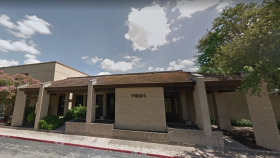
- Austin VA Outpatient Clinic — 512-823-4000, 7901 Metropolis Dr, Austin. Part of the Central Texas Veterans Health Care System; provides substance use and mental health care for eligible veterans. https://www.va.gov/central-texas-health-care/locations/austin-va-clinic/
- Austin Vet Center — Confidential counseling for veterans, service members, and families, including connection to substance use treatment. Veterans Crisis Line: call 988 and press 1. https://www.va.gov/austin-vet-center/
Family and Safety Support
- SAFE Alliance SAFEline — 512-267-7233 (267-SAFE), text 737-888-7233. 24-hour support for survivors of domestic and sexual violence, which frequently intersects with substance use. See our support for survivors of abuse for more.
Drug and Alcohol Use Statistics in Austin
The clearest picture of substance use in Austin comes from the Travis County Medical Examiner’s annual report, which tracks accidental overdose deaths. After 2023 set a grim record, 2024 marked the first significant decline in years, an improvement county officials attribute largely to widespread naloxone distribution and harm reduction efforts. Even so, deaths remain far above where they stood before the fentanyl wave arrived.
Fentanyl continues to drive the crisis, though its share of deaths is shrinking. It was involved in 56 percent of all Travis County drug deaths in 2023 but fell to 47 percent in 2024, a sign that both the absolute number and the proportion of fentanyl-involved deaths are declining.
Polysubstance use is the norm rather than the exception: 58 percent of drug deaths in 2024 involved more than one substance, and more than half of fentanyl deaths also involved methamphetamine. These patterns underscore why fentanyl addiction and overdose risk shape so much of the local treatment approach.
The county’s response has been substantial. Since 2021, Travis County has allocated nearly $5 million in federal and local funds to methadone treatment, peer recovery support, and naloxone distribution, and it distributed more than 14,000 naloxone doses in 2024 alone.
Local advocates caution that this progress depends on continued funding, some of which relies on grants that have faced federal cuts. Compared with national trends tracked in broader substance use statistics, Travis County’s turnaround stands out, but officials emphasize that deaths remain well above pre-2020 levels.
Resources
- Travis County Medical Examiner’s Office, via FOX 7 Austin. (2025). Overdose deaths in Travis County down by 22 percent in the last year. https://www.fox7austin.com/news/overdose-deaths-travis-co-officials-address-new-developments
- KUT Radio. (2025). Drug deaths are going down in Travis County, but federal funding cuts could halt progress. https://www.kut.org/health/2025-04-22/austin-tx-travis-county-opioid-deaths-narcan
- The Texas Tribune. (2024). The overdose rise in Travis County is part of a growing trend. https://www.texastribune.org/2024/05/16/texas-travis-county-drug-deaths-fentanyl-overdose/
- KVUE. (2024). What we’re learning from the Travis County Medical Examiner’s yearly report. https://www.kvue.com/article/news/health/fentanyl-overdose-deaths-travis-county-in-2023/269-7a02fc44-ac66-41fa-b543-39f00ac43f9b
- Central Health. (2025). 2024 Demographic Report. https://www.centralhealth.net/
- Austin/Travis County Community Health Assessment. (2025). https://www.austintexas.gov/sites/default/files/files/Health/CHA-CHIP/2025OCT13_ATC-CHA-Report_Final_complete1.pdf
- Austin Travis County Integral Care. (2026). 24/7 Crisis Helpline and Directory of Services. https://integralcare.org/
- Texas Harm Reduction Alliance. (2025). Services and location. https://www.texasharmreduction.org/
- Travis County. (2026). Opioids: How to Get Help and Saving Lives with Narcan/Naloxone. https://www.traviscountytx.gov/topics/opioids/how-to-get-help
- Addictions.com. (2026). Alcohol & Drug Rehabs in Texas (statewide cost averages). https://www.addictions.com/rehabs/texas/