

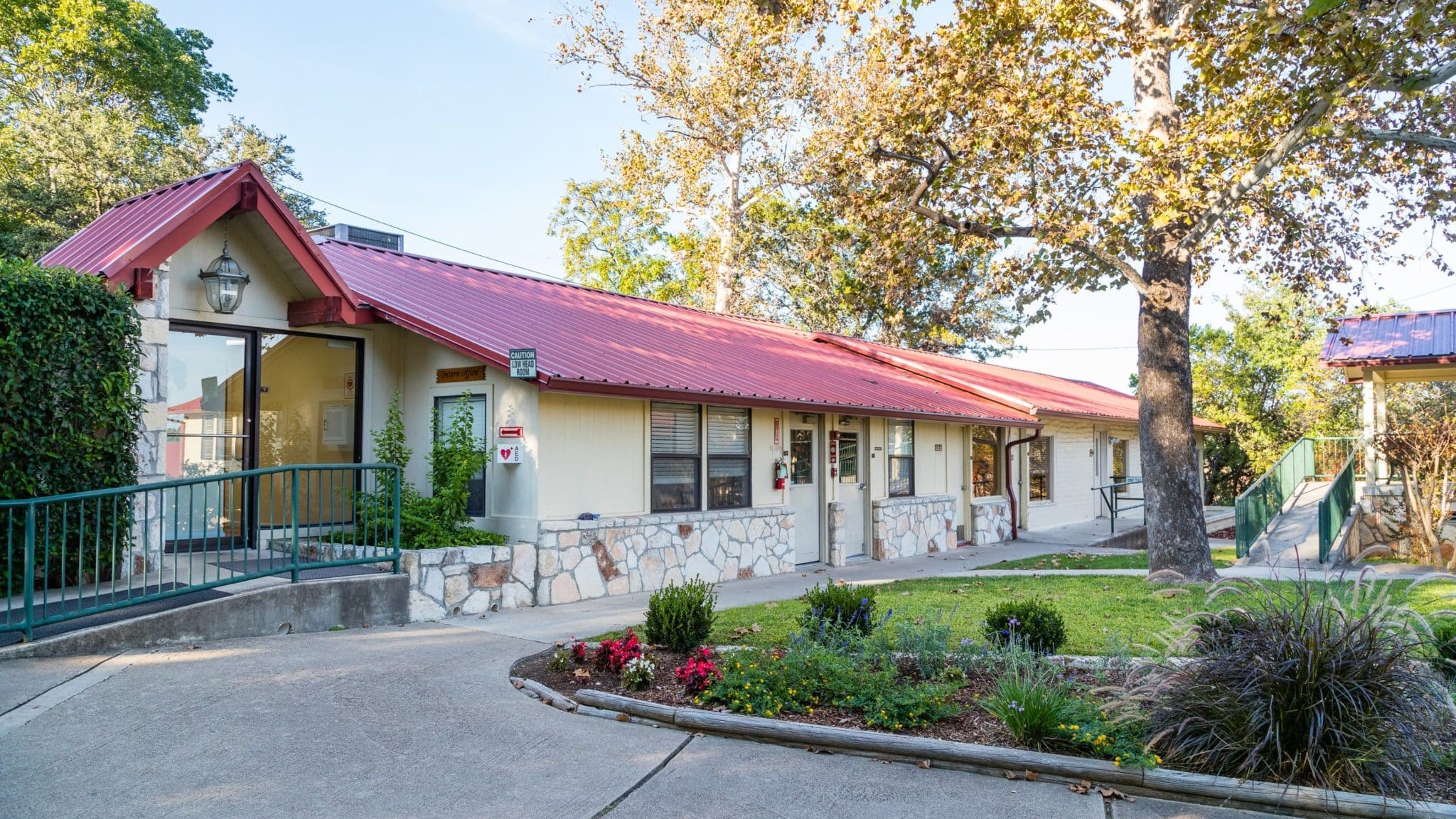
La Hacienda Treatment Center
Hunt, TX
78024

Explore El Paso, Texas rehab centers offering inpatient detox, outpatient therapy, alcohol recovery programs and dual diagnosis treatment. Access trusted resources for substance abuse and mental health support.
 800-785-0495
 Sponsored



 Close
Close| Thumbnail | Name | Address | Phone | Treatment | Insurance |
|---|---|---|---|---|---|
|
MedMark Treatment Centers El Paso |
6111 Alameda Avenue El Paso, TX 79905 MedMark Treatment Centers is a nationwide network that features opioid addiction care for adults. They have a clinic in El Paso, Texas. They've a team of experts standing by to help you overcome opioid abuse... |
915-221-2310 | Detox Outpatient | Medicaid Private |

|
Aliviane Inc |
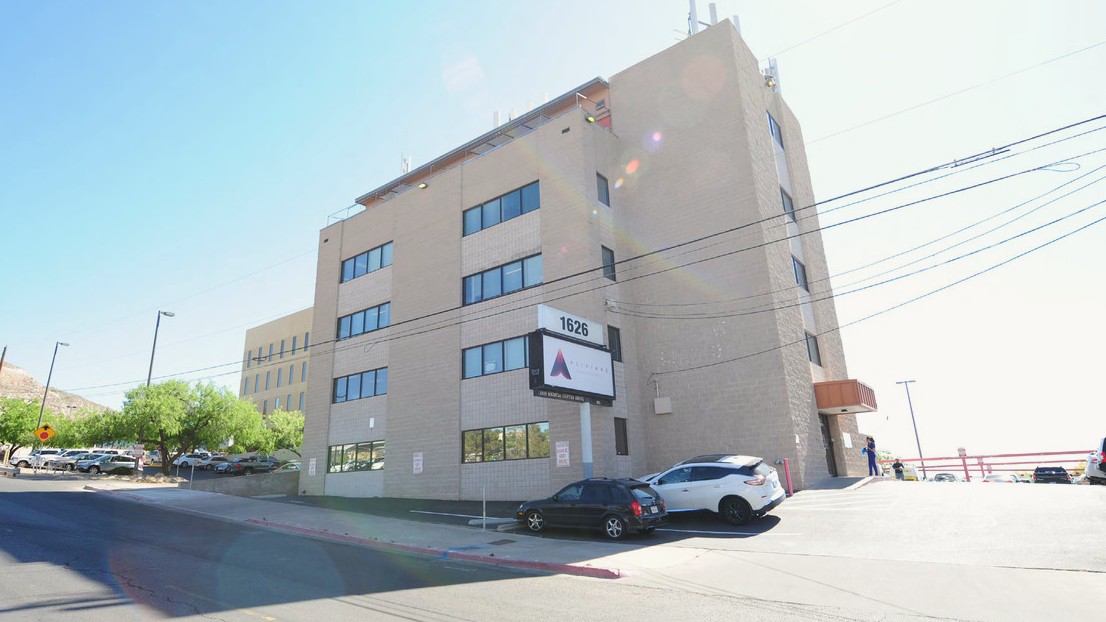
1626 Medical Center Street, El Paso, TX 79902 El Paso, Texas, is a desert city close to the Franklin Mountains and home to Aliviane. This is a drug and alcohol rehab for adults and adolescents. They take adults in for treatment onsite or... |
(915) 782-4000 | Inpatient Outpatient | Medicaid Private |
|
El Paso Behavioral Health System |
1900 Wyoming Avenue El Paso, TX 79903 El Paso Behavioral Health System is a psychiatric hospital serving the community of El Paso, Texas. They accommodate 166 patients at a time and specialize in addiction treatment, mental health, and military behavioral health. Specialized... |
915-544-4000 | Detox Inpatient Outpatient | Medicaid Private |

|
Recovery Alliance |
3501 Hueco Avenue, 22, El Paso, TX 79903 The Recovery Alliance of El Paso helps adults with addictions by offering residential treatment, aftercare, and access to community recovery resources. You'll find them located in a suburban corner of El Paso, Texas. Residential Recovery... |
(915) 594-7000 | Inpatient | Private |

|
Aliviane Women and Childrens Residential |
1626 Medical Center El Paso, TX 79902 |
915-782-4014 | Inpatient | Medicaid Private |
|
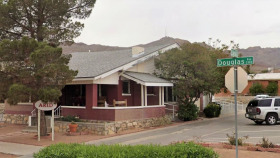
Arid Club |
3327 Douglas Ave El Paso, TX 79903 |
915-562-4295 | Detox Inpatient Outpatient | Private |

|
Ministerio En Victoria |
1414 E Paisano Dr C El Paso, TX 79901 |
915-838-8887 | Detox Inpatient Outpatient | Private |

|
Ysleta del Sur Pueblo Sacred Connections |
9314 Juanchido Lane El Paso, TX 79907 |
915-860-6180 | Detox Outpatient | Medicaid Private |
|
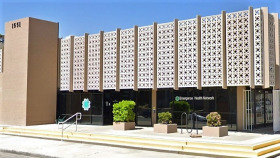
Emergence Health Network |
1551 Montana Ave #204 El Paso, TX 79902 |
915-747-3510 | Detox Inpatient Outpatient | Private |
|
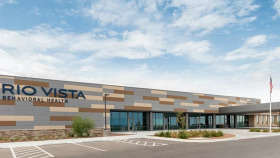
Rio Vista Behavioral Health |
1390 Northwestern Drive El Paso, TX 79912 |
915-209-4513 | Detox Inpatient Outpatient | Medicaid Private |
|
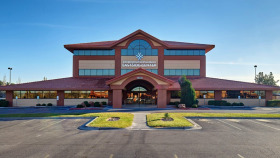
El Paso VA Health Care System Eastside El Paso Clinic |
2400 Trawood Drive Suite 200 El Paso, TX 79936 |
915-217-2428 | Outpatient | Private |
|
Northeast Fellowship |
4922 Hondo Pass Dr El Paso, TX 79924 |
915-757-3327 | Detox Inpatient Outpatient | Private |
|
Associated Behavioral and Trauma Specialties |
9434 Viscount Blvd #234 El Paso, TX 79925 |
915-799-0747 | Detox Inpatient Outpatient | Private |
|
Trinty Homeward Bound |
8716 Independence Dr El Paso, TX 79907 |
915-772-9111 | Detox Inpatient Outpatient | Private |
|
|
Silver Coast Institute |
100 N Stanton St #614 El Paso, TX 79901 |
915-845-9902 | Detox Inpatient Outpatient | Private |
|
|
New Leaf Wellness Center |
10921 Pellicano Dr #110 El Paso, TX 79935 |
915-313-4114 | Detox Inpatient Outpatient | Private |
|
|
AHX - Addiction Treatment Services |
Wells Fargo Plaza, 221 N Kansas St El Paso, TX 79901 |
915-320-4101 | Detox Inpatient Outpatient | Private |
|
|
Alano Club |
1302 Gail Borden Pl Suite A12 El Paso, TX 79935 |
Detox Inpatient Outpatient | Private | |
|
El Paso Behavioral Health East Outpatient |
10501 Gateway Boulevard West El Paso, TX 79925 |
Outpatient | Medicaid Private |
Expert Insights
As a fairly new mom, one of the things that keeps me up at night is worrying about my children. Like every mom, I want to make sure my kids are safe. And one of the places where we simply expect them to be safe is within their schools. But we’re sadly discovering that the implied safety of a school is more of a facade.
I recently read about an El Paso school that has seen a rash of opioid overdoses – including three fatal overdoses – meaning the kids were getting and taking illicit opioid pills while in school. One mother said she even reported the problem to school officials after her daughter admitted she was addicted after months of taking opioid pills between classes.
Unfortunately, no action was taken by the officials. This only strengthens my resolve to have an open dialogue with my children (when they’re old enough) about the dangers of drugs and the potential consequences of addiction. It’s up to us as parents to take the lead in this battle against drug abuse and ultimately keep our kids safe.
Our directory listings are organized to help you quickly and confidently compare rehab options in El Paso. We prioritize facilities based on the completeness and accuracy of their program information, the levels of care and specialty services they offer, the payment and insurance options they accept and their accreditation and licensing status.
We give added weight to facilities that hold accreditation from recognized bodies such as the Joint Commission or CARF, and to programs that clearly document the substances and populations they treat. Listings are not ranked by advertising spend.
Our goal is to present objective, verifiable information so you can evaluate each program against your own needs, whether that means proximity, cost, insurance coverage or a specific level of care.
El Paso sits at the far western tip of Texas, on the U.S.-Mexico border across from Ciudad Juárez, and it is the seat of El Paso County.
The Texas rehab directory lists options statewide. Within El Paso specifically, there are 30 treatment facilities offering care that ranges from medical detox and residential programs to standard outpatient services. Because El Paso is home to Fort Bliss and a large veteran and military population, several local programs address the needs of service members and their families.
Emergence Health Network (EHN) is the designated Local Mental Health Authority for El Paso County and anchors much of the region’s publicly funded behavioral health care. EHN runs substance use disorder treatment programs, a medication-assisted treatment program and the Outreach, Screening, Assessment and Referral (OSAR) program, through which any Texas resident 13 and older can get a free screening and referral.
This public infrastructure sits alongside private hospitals, community clinics and specialized behavioral health facilities across the county.
The most significant substance use trend in El Paso in recent years has been the rise of illicit fentanyl. County overdose deaths climbed from 141 in 2015 to roughly 220 in 2023 before falling to about 163 in 2024, a drop local officials attribute in part to expanded naloxone distribution and prevention programming.
Understanding the opioid landscape matters here, because the same fentanyl supply driving overdoses is often mixed into other drugs. If you are weighing options, our overview of addiction treatment options explains how the different levels of care fit together.




The cost of rehab in El Paso depends heavily on the level of care, the length of the program and whether you use insurance. The figures below reflect statewide averages in Texas for the full, uninsured cost of each level of care.
Most people pay far less than these totals once insurance, sliding-scale fees, or public funding are applied and outpatient options are considerably more affordable than residential care. If you plan to use coverage, it is worth verifying your benefits before you commit to a program.
These are averages across all treatment types and represent full costs without any insurance coverage. Several factors move the final price up or down, and El Paso’s lower cost of living relative to major Texas metros can work in your favor. The list below covers the variables that most affect what you will pay.





If you are comparing a residential stay against a day program, the levels-of-care section below breaks down what each option includes and who it tends to suit.
Of the 30 facilities in El Paso, nearly all accept some form of payment assistance beyond cash. Twenty-nine accept self-payment, 28 accept private health insurance, 15 accept Medicaid and 12 accept Medicare.
A smaller number offer sliding-scale fees, financial assistance or financing and 11 accept TRICARE, which reflects the size of the local military community. The breakdown below shows how many El Paso facilities accept each payment type.





Coverage varies from one facility to the next, so it helps to confirm the specifics before enrolling. The sections below explain how the major payment routes work for El Paso residents.
Twelve El Paso facilities accept Medicare, which covers addiction treatment for eligible adults 65 and older and for some younger people with qualifying disabilities.
Medicare can help pay for inpatient care, outpatient services and prescription medications used in treatment, though coverage rules and cost-sharing differ across the parts of Medicare.
Reviewing how Medicare covers addiction treatment before you start can help you anticipate out-of-pocket costs.
Fifteen El Paso facilities accept Texas Medicaid, which is delivered mostly through STAR managed care plans in the state. Texas Medicaid covers substance use disorder services including screening, counseling and medication-assisted treatment for those who qualify.
If your treatment plan involves medication for opioid use disorder, our guide to medication-assisted treatment explains how MAT works alongside counseling and behavioral support.
With Fort Bliss anchoring the region, El Paso has a large population of active-duty service members, veterans and military families. Eleven local facilities accept TRICARE. Veterans also have access to substance use care through the VA El Paso Healthcare System and the El Paso Vet Center and to programs and benefits designed for those who have served.
Private health insurance is the most widely accepted form of coverage in El Paso, taken by 28 of the 30 facilities, and 29 accept self-payment for those paying out of pocket or covering a portion not paid by insurance. Under federal parity rules, most private plans must cover substance use treatment comparably to other medical care, though deductibles, copays and network restrictions still apply.
For those without robust coverage, six El Paso facilities offer sliding-scale fees, nine provide financial assistance and four offer financing arrangements. Publicly funded treatment through Emergence Health Network is also available to eligible residents.
If cost is a barrier, our overview of rehab scholarships describes another route some people use to fund care.
El Paso’s 30 facilities span the full continuum of care, with 19 offering medical detox, 19 offering inpatient or residential treatment, 26 providing standard outpatient services and 17 equipped to treat co-occurring mental health and substance use disorders. The cards below show how many facilities provide each level of care.





Medical detox is often the first step for people physically dependent on alcohol, opioids or benzodiazepines. Supervised medical detox manages withdrawal safely, which matters in a region where fentanyl-contaminated drugs raise the stakes of stopping abruptly.
Inpatient and residential care provides structured, around-the-clock support in a live-in setting. For many people leaving detox, residential treatment is where the deeper work of recovery begins.
Outpatient care is the most widely available level in El Paso, letting people continue living at home while attending scheduled therapy and treatment sessions. Our guide to intensive outpatient programs explains how these schedules typically work.
Dual diagnosis programs treat substance use alongside conditions such as co-occurring depression or anxiety, which frequently occur together and are more effective to treat at the same time.
Emergence Health Network also operates a medication-assisted treatment program locally, combining medication with counseling for opioid and other substance use disorders. As you plan next steps, thinking about rehab aftercare early can help make the transition out of a program more durable.
Many El Paso facilities tailor treatment to specific populations and substances. Programs commonly serve women and men separately, young adults, older adults and a large share focus on alcohol and opioid use disorders. Given the military presence, veteran- and military-focused care is also available. The cards below reflect how many facilities offer each specialty.






Alcohol remains one of the most commonly treated substances in El Paso, and 21 local programs address alcohol use disorder. Eleven facilities focus on opioid use disorder, reflecting the region’s ongoing fentanyl challenge.
For service members and veterans, six programs offer specialized care built around the needs of the military community. Six facilities also provide LGBTQ+ affirming addiction care, and 18 offer young adult programming for those navigating recovery in their late teens and twenties.
Cost should not be the reason someone in El Paso goes without help. The county has a network of publicly funded, nonprofit and harm-reduction resources that provide free or low-cost support, from 24-hour crisis lines to naloxone distribution.
If you or someone you care about is in immediate danger, call 911. For emotional crisis and suicide prevention support, help is available around the clock through the resources below.
Veterans and their families can find more on benefits and specialized programs through our resources for veterans and military.
The clearest recent signal in El Paso County is that overdose deaths, after years of climbing, began to fall in 2024. County public health data show local overdose deaths rose from 141 in 2015 to about 220 in 2023, then dropped to roughly 163 in 2024.
Officials link the decline to expanded opioid overdose prevention and naloxone access. The figures below summarize the county’s recent picture.
The trend reflects the national shift toward illicit fentanyl, which the DEA identifies as the leading cause of overdose death among Americans aged 18 to 45. For broader context on how El Paso compares to state and national patterns, see our overview of national substance use statistics.