

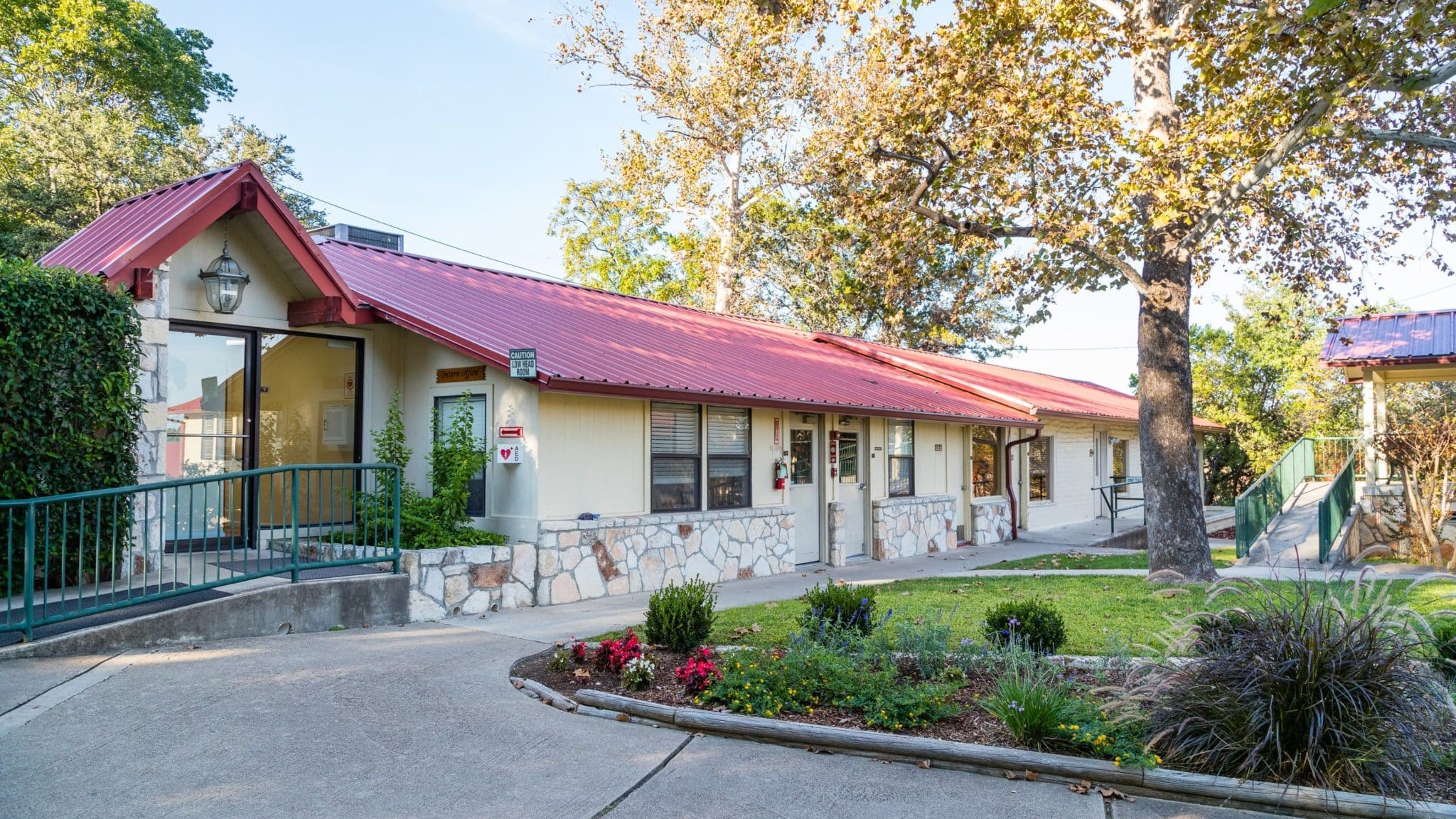
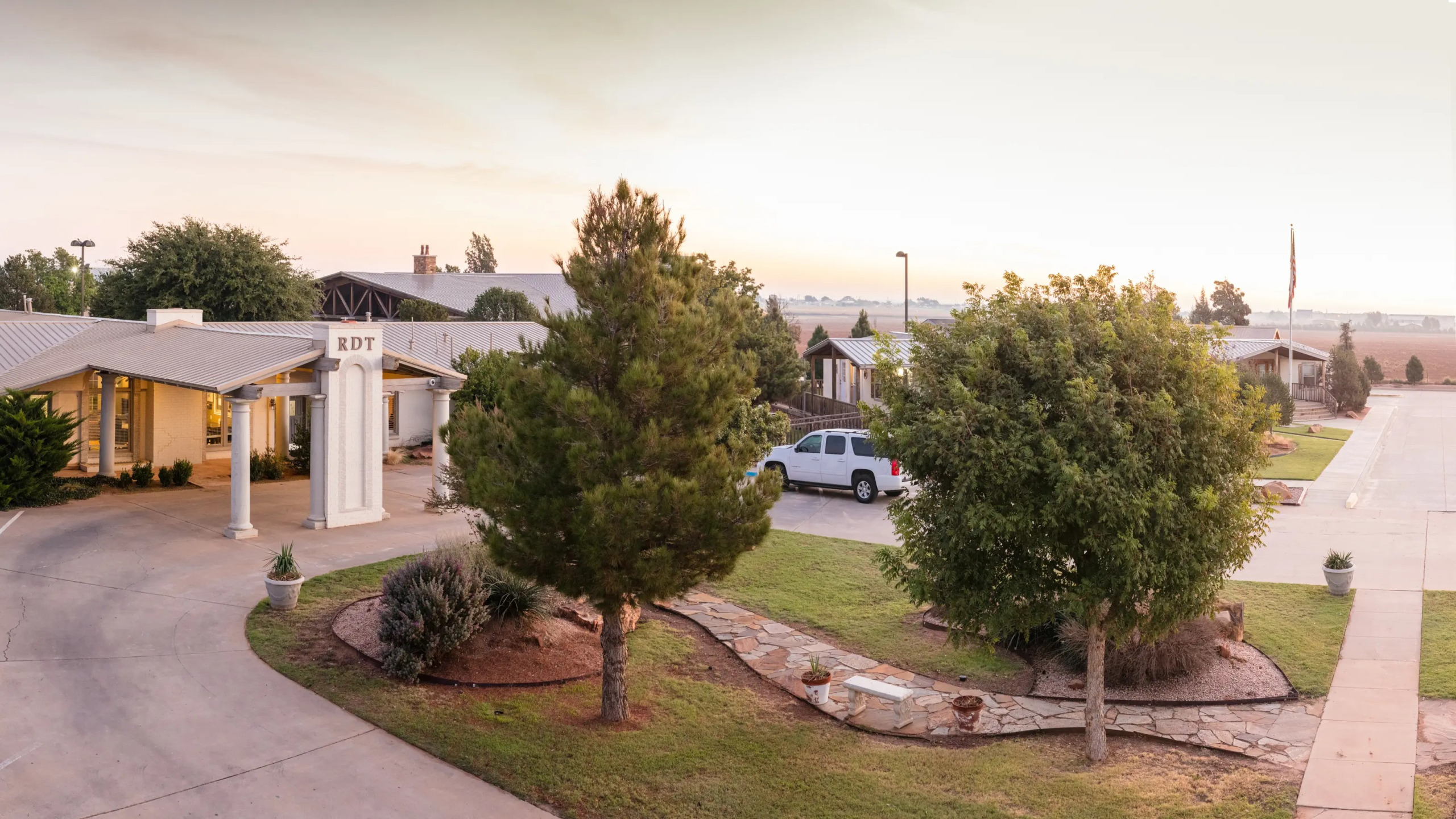
La Hacienda Treatment Center
Hunt, TX
78024

If you are looking for drug and alcohol rehab in Texas, you have 1,000+ treatment programs across the state to choose from. And the cost of inpatient rehab paid without insurance here is close to the national average, so you can focus on finding the right fit.
 800-785-0495
 Sponsored


 Close
Close| Thumbnail | Name | Address | Phone | Treatment | Insurance |
|---|---|---|---|---|---|
|
Cenikor Corpus Christi |
5501 IH 37 Mc Bride Lane Corpus Christi, TX 78408 |
888-236-4567 | Detox Inpatient Outpatient | Medicaid Private |
|
Recovery Monitoring Solutions Coastal Bend Outpatient Services |
1428 Laredo Street Corpus Christi, TX 78401 |
361-452-9670 | Outpatient | N/A |
|
Recovery Monitoring Solutions (RMS) |
1428 Laredo St Corpus Christi, TX 78401 |
361-888-4188 | Outpatient | Private |
|
South Texas Substance Abuse Recovery Services Antelope Street |
907 Antelope Street Corpus Christi, TX 78401 |
361-882-9979 | Detox Outpatient | Medicaid |
|
Wenholz House |
1200 10th Street Corpus Christi, TX 78404 |
361-452-0591 | N/A | N/A |
|
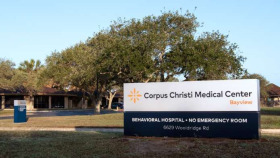
Corpus Christi Medical Center Bayview |
6629 Wooldridge Rd Corpus Christi, TX 78414 |
Detox Outpatient | Private | |
|
|
Council on Alcohol and Drug Abuse Coastal Bend |
1801 South Alameda Street Suite 150 Corpus Christi, TX 78404 |
361-854-9199 | Outpatient | Medicaid Private |
|
|
Counseling and Recovery Services CARS |
4300 South Padre Island Drive Unit 3-3 Corpus Christi, TX 78411 |
361-814-8107 | Detox Outpatient | N/A |
|
|
Toxicology Associates Corpus Christi Clinic |
5233 I-H 37 Suite C17 Corpus Christi, TX 78408 |
361-882-2064 | Detox Outpatient | N/A |
|
|
Broken Chains Recovery Center |
4610 Kostoryz Rd Corpus Christi, TX 78415 |
361-687-6175 | Detox Inpatient Outpatient | Private |
|
|
New Phoenix Group |
5433 S Staples St Corpus Christi, TX 78411 |
Detox Inpatient Outpatient | Private | |
|
|
Wellspring Drug Rehab Center |
5802 Saratoga Blvd Corpus Christi, TX 78414 |
Detox Inpatient Outpatient | Private | |
|
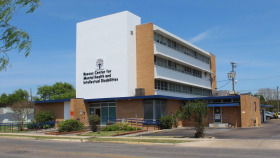
Nueces Center for Mental Health and Intellectual Disabilities |
1630 South Brownlee Boulevard Corpus Christi, TX 78404 |
361-886-6900 | Outpatient | N/A |
|
Nueces Center for Mental Health and Intellectual Disabilities |
1630 South Brownlee Boulevard Corpus Christi, TX 78404 |
Outpatient | Medicaid Private | |
|
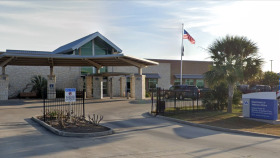
VA Texas Valley Coastal Bend Health Care System South Enterprize VA Clinic |
205 South Enterprize Parkway Corpus Christi, TX 78405 |
Outpatient | Private | |

|
VA Texas Valley Coastal Bend Health Care System Corpus Christi VA Clinic |
5283 Old Brownsville Road Corpus Christi, TX 78405 |
Outpatient | Private | |
|
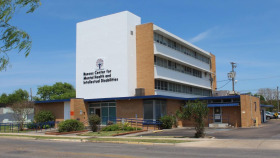
Nueces Center for Mental Health and Intellectual Disabilities |
1630 South Brownlee Boulevard Corpus Christi, TX 78404 |
Outpatient | Medicaid | |
|
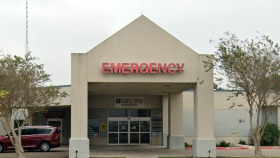
Corpus Christi Medical Center |
13725 Northwest Boulevard Corpus Christi, TX 78410 |
Inpatient Outpatient | Medicaid Private |
View more listings near Corpus Christi or search by the letter of cities in Texas.
Expert Insights
Corpus Christi is struggling with opioid addiction just like most other areas of the nation, but being a border state, they certainly have a lot more on their plates than many other states.
That’s why I think it’s such a wonderful idea that the Texas Substance Use Symposium is held each year. One of my peers attended the event in Corpus Christi last year and she said she learned so very much about the state of addiction in Texas and what the more than 300 government and health officials were doing to fight substance abuse both in Nueces County and across the state.
This is one of the very best ways to disseminate information and highlight programs and efforts on the horizon.
Every facility in this directory is included based on verifiable information, not paid placement. We prioritize centers that hold current state licensure with the Texas Health and Human Services Commission and, where applicable, national accreditation from the Joint Commission or CARF. Listings reflect the levels of care a facility actually provides, the payment types it accepts, and the populations it serves.
We update counts and program details as facilities report changes and as licensing records are refreshed. When you contact a center, confirm current availability, insurance participation, and pricing directly, since these details can change between updates. Our goal is to give you an accurate starting point for comparing real options in your area.
Corpus Christi is the seat of Nueces County and the largest city in the Coastal Bend, with a population of roughly 317,000 and a broader metro area of about 355,000 across Nueces, San Patricio, and Aransas counties. This directory lists 24 drug and alcohol treatment centers in and around the city, giving residents of South Texas a range of options without needing to travel to San Antonio or Houston for care. You can also browse the full Texas rehab directory if you want to compare nearby regions.
Publicly funded behavioral health care in Nueces County is anchored by the Nueces Center for Mental Health and Intellectual Disabilities, the region’s local mental health authority, which operates crisis services, outpatient counseling, and case management on a sliding-scale or no-cost basis for residents who qualify. Long-standing nonprofit providers, including a Coastal Bend recovery center operating in the area since 1965, add residential detox and inpatient capacity. Together these providers mean that both addiction treatment options and crisis support exist locally, even for people without private insurance.
Fentanyl and methamphetamine drive much of the current substance use picture in the region. Nueces County recorded 190 drug overdose deaths in 2022, and county health officials have pointed to fentanyl as one of the most significant local threats because of its potency. Statewide, methamphetamine was involved in a larger share of overdose deaths than any other single drug in 2024. If opioids are part of your situation, our guide to opioid use disorder explains what treatment and medication options typically look like.




Treatment costs in Corpus Christi vary widely by level of care, program length, and whether you use insurance. Because facility-level pricing is not published for most local centers, the figures below reflect Texas statewide averages for the full, uninsured cost of each level of care. These numbers include intensive settings like medically supervised detox and residential rehab, which pull the averages up; most people using outpatient care or insurance pay considerably less.
Corpus Christi’s cost of living sits below the Texas and national averages, so local outpatient pricing often lands at or below these statewide figures, though residential programs with housing and 24-hour care remain the largest expense. The single biggest factor in what you actually pay is insurance coverage. Before committing to a program, it is worth verifying your rehab benefits to see what your plan covers.




Across the 24 Corpus Christi treatment centers in this directory, most accept more than one way to pay. Self-payment is the most widely accepted option, and 14 centers work with private health insurance. Public coverage is also available: 9 facilities accept Medicaid and 4 accept Medicare. Sliding-scale fees, financial assistance, and military benefits expand access further for residents who qualify.





Four Corpus Christi facilities accept Medicare, which covers medically necessary addiction treatment for adults 65 and older and for some younger residents with qualifying disabilities. Coverage can include inpatient care, outpatient services, and prescription medications used in treatment. Because coverage tiers and copays differ across Medicare parts and plans, review how Medicare covers addiction treatment before you enroll in a program.
Nine local centers accept Texas Medicaid, which is delivered through STAR managed-care plans for most adults and covers substance use services including counseling, outpatient care, and medication-assisted treatment. For opioid or alcohol use disorders, Medicaid frequently covers medication-assisted treatment, which combines FDA-approved medication with counseling. The Nueces Center for Mental Health and Intellectual Disabilities can help residents connect to Medicaid-covered and publicly funded services.
Six Corpus Christi facilities accept TRICARE, and the city’s naval air station and veteran population make military-connected care especially relevant here. TRICARE covers detox, inpatient, and outpatient addiction treatment for active-duty service members, retirees, and their families. Veterans can also explore VA-funded options and our rehab resources for veterans and military for additional support pathways.
Private insurance is accepted at 14 centers, and under federal parity law most plans must cover substance use treatment comparably to other medical care. Self-pay remains an option at 22 facilities for those without coverage or who prefer not to use insurance, and 4 centers offer financing to spread costs over time.
Five facilities offer sliding-scale fees that adjust to income, and 8 provide some form of financial assistance. These options, combined with the county mental health authority’s no-cost and reduced-cost services, mean that treatment is reachable even for uninsured residents.
While no listed facility reports fully free treatment for all clients, publicly funded and nonprofit providers in the area deliver low- or no-cost care to residents who qualify. Some people also access help through rehab scholarships offered by treatment organizations and foundations.
Corpus Christi’s 24 treatment centers cover the main levels of care, from medically supervised detox through long-term outpatient support. The directory includes 9 detox facilities, 7 inpatient programs, 20 outpatient clinics, 14 dual diagnosis programs, and 2 sober living homes, so people can find the right intensity of care and step down as they progress.





Medically supervised medical detox is often the first step for people dependent on alcohol, opioids, or benzodiazepines, providing 24-hour monitoring to manage withdrawal safely. Nine local facilities offer detox, including nonprofit residential programs with dedicated detox beds.
The city’s 7 inpatient rehab programs provide structured, live-in care where clients stay at the facility and receive round-the-clock support, typically for 30 to 90 days. This level of care suits people who need to step away from their environment to focus fully on early recovery.
With 20 outpatient rehab programs, this is the most widely available level of care in Corpus Christi. Outpatient care lets people continue working or caring for family while attending scheduled therapy and group sessions, and it often serves as step-down care after inpatient treatment.
Fourteen centers offer dual diagnosis care for people managing addiction alongside a mental health condition such as co-occurring depression or anxiety, treating both conditions together rather than in isolation. For those transitioning out of structured treatment, 2 sober living homes and ongoing rehab aftercare help maintain stability during the return to daily life.
Many Corpus Christi facilities tailor treatment to specific populations and substances, which helps people find care that reflects their background and needs. The counts below show how many local centers report each specialty focus.







Alcohol remains the most commonly treated substance locally, with 17 centers offering programs for alcohol use disorder, while 11 provide dedicated support for opioid use disorder given the region’s fentanyl concerns. Seventeen programs serve young adults, a population that often benefits from age-appropriate young adult and college student substance use care, and 9 focus on older adults. Six programs are built around the needs of veterans and active-duty members, reflecting the city’s strong military presence, and clients can find more through rehab resources for veterans and military. Five centers offer LGBTQ+ affirming addiction care, alongside 12 women’s and 13 men’s gender-specific programs.
Cost should not be a barrier to getting help. Corpus Christi and Nueces County offer several free and low-cost resources, from 24-hour crisis lines to the county mental health authority and local nonprofits. Verify current hours and eligibility directly, since services can change.
If you or someone you know is in immediate danger, call 988 for the Suicide and Crisis Lifeline or dial 911. These free, confidential lines connect you to trained counselors and local crisis support around the clock.
The Nueces Center for Mental Health and Intellectual Disabilities (NCMHID) is the region’s local mental health authority and a Certified Community Behavioral Health Clinic. It offers crisis intervention, outpatient counseling, case management, and psychiatric care on a sliding-scale basis, and states that no one is turned away for inability to pay.
Local nonprofits provide counseling and family support at low or no cost.
With a naval air station and a sizeable veteran community, Corpus Christi has military-connected treatment pathways. Veterans can access VA and TRICARE-covered care and find more options through addiction resources for veterans.
Local and state data show why treatment capacity matters in the Coastal Bend. Nueces County recorded 190 drug overdose deaths in 2022, and county officials continue to identify fentanyl as one of the most serious threats to the community.
The county overdose death rate nearly doubled between 2017 and the most recent local reporting, rising from 9.4 to 18.2 per 100,000 residents. Statewide, methamphetamine was involved in 42% of Texas overdose deaths in 2024, while fentanyl and other synthetic opioids continue to drive a large share of fatalities.
These trends underscore why access to detox, medication-assisted treatment, and naloxone is a priority for the region. For national context, see our overview of national substance use statistics.