


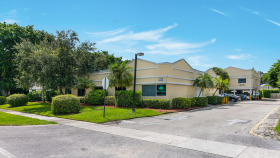
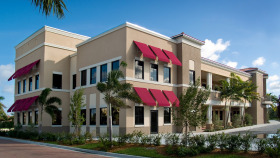
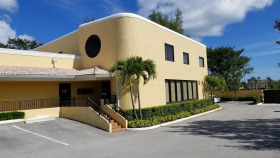
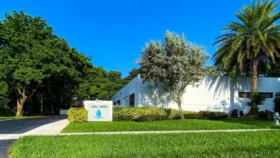
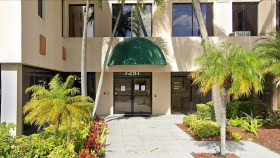
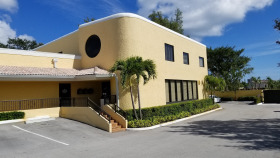
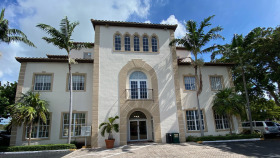

Drug and alcohol rehab in Boca Raton, Florida, connects you to 23 local treatment centers across southern Palm Beach County, from medical detox to outpatient care. Compare programs by level of care, insurance, and specialty focus so you can find help close to home and understand what to expect before you call.
How We Rank Listings
Our directory is built to help you compare Boca Raton treatment options on the factors that matter most when you or a family member is trying to find care. We prioritize facilities that hold current state licensure and recognized accreditation, that clearly describe their levels of care, and that publish the payment and insurance information families need up front.
Listings reflect verified program details rather than paid placement. We weigh the range of services offered, the presence of licensed clinical staff, accreditation from bodies such as the Joint Commission and CARF, and whether a facility treats co-occurring mental health conditions alongside substance use. When a center offers specialty tracks, such as programs for women, veterans, or older adults, we note those so you can match a program to your situation. The goal is a practical starting point for comparison, not a substitute for speaking directly with a provider about your needs.
Rehab in Boca Raton: What to Know
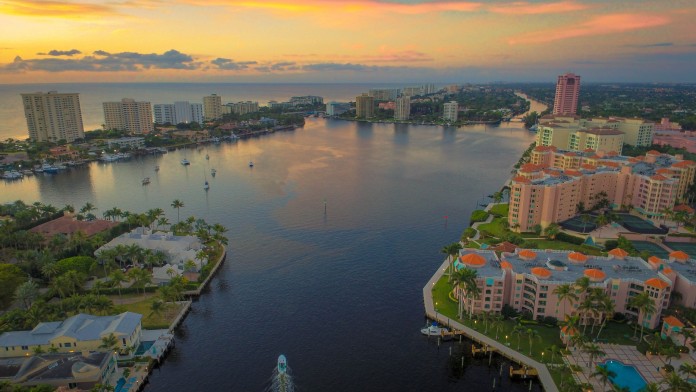
Boca Raton sits in southern Palm Beach County, home to roughly 97,000 residents and part of the greater South Florida metro that stretches down toward Fort Lauderdale and Miami. The city gives you access to 23 treatment centers locally, and hundreds more across the county and region, making it one of Florida’s more established areas for addiction treatment options. Additional programs in nearby Delray Beach, Boynton Beach, and West Palm Beach are within a short drive when a specific level of care or specialty is not available in the city itself.
Palm Beach County has long been a focal point in the national recovery landscape, with a dense concentration of treatment providers and sober living residences. That history brings both wide availability and the need to choose carefully, which is why licensure and accreditation carry weight in the listings you compare here.
The county’s public behavioral health system is coordinated by the Southeast Florida Behavioral Health Network (SEFBHN). This is the managing entity contracted with the Florida Department of Children and Families that oversees funding and quality across more than 60 provider organizations in Palm Beach and the surrounding Treasure Coast counties.
Opioids have driven much of the county’s substance use burden over the past decade, though the picture has been changing. Palm Beach County recorded 414 opioid-related overdose deaths in 2023, a figure that fell to a preliminary count of roughly 224 in 2024, according to the county Medical Examiner’s Office. Officials have credited wider naloxone access, stronger treatment connections, and shifts in the drug supply.
Understanding opioid use disorder and the treatment that follows can help you weigh which local programs fit. You can also browse the full Florida rehab directory to compare options in other cities across the state.
Cost of Rehab in Boca Raton
Treatment cost is one of the first things most families ask about, and the answer depends heavily on the level of care, program length, and whether you use insurance. Boca Raton does not publish a separate city-level average, so the most reliable anchor is statewide data for Florida, which gives a realistic range for what different types of care tend to cost before insurance is applied.
Given the higher cost of living in southern Palm Beach County, prices at Boca Raton facilities can run at or above these state averages, particularly at residential and luxury-oriented programs. Insurance changes the math substantially, and most local centers accept some form of coverage. Before committing, it is worth verifying your rehab benefits so you know your out-of-pocket responsibility for the specific program you are considering.
The following factors affect the final cost of treatment in Boca Raton:





How to Pay for Rehab in Boca Raton
Across the 23 treatment centers in Boca Raton, payment options are broad. Nineteen accept self-payment, 18 work with private health insurance, and a smaller number participate in public programs such as Medicaid and Medicare or offer sliding-scale and financial assistance for those who need it. The mix means most people have more than one route to affordable care, even without private coverage.



Which option makes the most sense depends on your coverage and financial situation. The subsections below explain how the major payment types work for addiction treatment in Boca Raton.
Medicare
Five Boca Raton facilities accept Medicare, which covers addiction treatment for eligible adults 65 and older and for some younger people with qualifying disabilities. Medicare can help pay for inpatient care, outpatient services, and prescriptions used in treatment, though coverage rules and cost-sharing vary by plan. Confirming how Medicare covers addiction treatment with the specific facility before you enroll can prevent surprises at intake.
Medicaid
Two facilities in the city accept Florida Medicaid, the state’s public health coverage for eligible low-income residents. Florida Medicaid can cover a range of substance use services, and for opioid use disorder that often includes medication-assisted treatment, which pairs medications such as buprenorphine or methadone with counseling. Because in-network options are more limited, it helps to confirm eligibility and participating providers early.
Military Benefits
Two Boca Raton centers accept TRICARE, the health program for active-duty service members, retirees, and their families. Coverage can extend to detox, residential, and outpatient care depending on the plan and medical necessity. Veterans and military families can also explore additional rehab resources for veterans and military to understand the full set of benefits available to them.
Insurance and Private Pay
Private insurance is the most widely accepted form of payment in Boca Raton, taken by 18 of the 23 local centers, and 19 accept self-payment for those paying out of pocket or supplementing partial coverage. Plans vary in what they cover and which facilities are in network, so it is worth confirming benefits before you choose a program.
Other Low-Cost Options
For those without full coverage, six Boca Raton facilities offer sliding-scale fees based on income, three provide financial assistance, and five offer financing to spread the cost over time. These options can make treatment reachable when insurance falls short.
Free Treatment Programs
Fully free treatment options in the city are limited, but low- and no-cost care is available through the county’s publicly funded network and nonprofit providers. If cost is the main barrier, applying for a rehab scholarship or connecting with county behavi oral health services can open doors that private pay alone would not.
- Aetna
- AvMed
- Blue Cross Blue Shield of Florida
- Cigna
- Florida Blue
- Humana
- UnitedHealthcare
- Florida Medicaid
- Medicare
- TRICARE
Levels of Care Available in Boca Raton
Boca Raton offers a full continuum of care, with 12 medical detox facilities, 13 inpatient programs, and 19 standard outpatient clinics, plus partial hospitalization and intensive outpatient options for people stepping down between levels. Fifteen centers also treat co-occurring mental health conditions, and two operate sober living homes for the transition back to daily life.

Medical detox is often the first step for people with physical dependence, providing supervised withdrawal management before ongoing treatment begins. Boca Raton’s detox providers can stabilize you safely. Learn more about what medical detox involves and when it is recommended.
Inpatient rehab offers structured, round-the-clock care in a residential setting, which suits people who need distance from triggers or who have more severe substance use. Explore how residential treatment compares to other levels of care.
Partial hospitalization programs deliver intensive daytime treatment while letting you return home in the evening, providing a middle ground between residential and outpatient care. See how PHP treatment fits into a step-down plan.
Standard and intensive outpatient programs let you keep up with work or family while attending scheduled treatment sessions. Boca Raton’s 19 outpatient clinics make this the most widely available level in the city. Read more about intensive outpatient programs and standard outpatient care.
Dual diagnosis programs treat substance use alongside conditions such as depression or anxiety, which frequently occur together. Understanding co-occurring depression can help you recognize when integrated care matters.
Sober living homes and structured aftercare support the transition out of formal treatment. Planning for rehab aftercare early improves long-term outcomes.
Specialty Programs in Boca Raton
Many Boca Raton facilities tailor treatment to specific populations and needs, which can make care feel more relevant and effective. Local options include gender-specific programs, tracks for young adults and older adults, LGBTQ+ friendly care, and substance-specific programming for alcohol and opioids.





Sixteen Boca Raton programs focus on alcohol treatment, the most common specialty in the city. These programs address alcohol use disorder through detox, counseling, and relapse prevention.
Twelve programs specialize in opioid treatment for people managing opioid use disorder, often incorporating medication alongside therapy.
Nine facilities offer LGBTQ+ affirming addiction care, and four provide dedicated programs for veterans and military members. Gender-specific and age-specific tracks, including women’s, men’s, young adult, and older-adult programs, round out the local options.
Free and Low-Cost Rehab Resources in Boca Raton
If cost or insurance is a barrier, Palm Beach County has a strong network of free and low-cost services covering crisis support, county behavioral health, harm reduction, and recovery community programs. The resources below are open to Boca Raton residents and serve the wider county.
Crisis and Helplines
- 988 Suicide and Crisis Lifeline
https://988lifeline.org/
Call or text 988 for free, confidential, 24/7 support for suicidal thoughts, substance use, or emotional distress. Local calls are answered through 211 Palm Beach and Treasure Coast. If you or someone you love is in crisis, crisis support resources are available around the clock. - 211 Palm Beach and Treasure Coast
https://211palmbeach.org
Dial 2-1-1 or (866) 882-2991, or text your ZIP code to 898211, for 24/7 crisis counseling, referrals, and mobile crisis response across Palm Beach County. - SAMHSA National Helpline
https://www.samhsa.gov/find-help/national-helpline
Call 1-800-662-HELP (4357) for free, confidential, 24/7 treatment referral and information. Website:
County and Regional Behavioral Health
- Southeast Florida Behavioral Health Network (SEFBHN)
https://sefbhn.org
The regional managing entity coordinating publicly funded mental health and substance use services, including mobile response teams, across Palm Beach County - Florida Department of Health in Palm Beach County
https://palmbeach.floridahealth.gov
Offers behavioral health referrals and prevention services - Palm Beach County Behavioral Health Coalition
https://pbcbhc.org
Community coalition with recovery HUB locations in Delray Beach, Lake Worth Beach, Riviera Beach, and Belle Glade that support all pathways of recovery
Harm Reduction and Naloxone
- DOH-Palm Beach free naloxone (Narcan)
https://palmbeach.floridahealth.gov
Free take-home naloxone kits, no appointment needed, at county health centers including the Delray Beach Health Center (225 S. Congress Ave., Delray Beach), near Boca Raton. Distributed through Florida’s iSaveFL Overdose Prevention Program. Recipients must be 18 or older. - Hanley Foundation free Narcan dispensers
https://hanleyfoundation.org
Publicly accessible Narcan cabinets located in Boca Raton and other Palm Beach County cities for immediate, free access during an overdose emergency.
State Programs
- Florida CORE (Coordinated Opioid Recovery) Network
https://www.floridahealth.gov
A statewide network providing comprehensive, sustained care for people affected by opioid use disorder - Florida Medicaid
https://www.flmedicaidmanagedcare.com
Public coverage for eligible low-income residents, including substance use and medication-assisted treatment services.
Drug and Alcohol Use Statistics in Boca Raton
Boca Raton’s substance use picture is best understood through Palm Beach County data, which the state and county track together. The county has seen a sharp decline in overdose deaths over the past two years, though the crisis remains serious.
The recent decline in opioid deaths has been attributed to wider naloxone access, stronger treatment connections, and changes in the illicit drug supply, with fentanyl still identified in most opioid-involved deaths. For national context on how Florida compares, see national substance use statistics. Understanding the role of fentanyl overdose risk remains central to prevention in Palm Beach County.
Resources
- Palm Beach County Medical Examiner’s Office. (2025). Opioid-related overdose death data reported via The Palm Beach Post and Project Opioid. https://www.yahoo.com/news/murder-fentanyl-grand-jury-indicts-100957932.html
- Florida Department of Health in Palm Beach County. (2025). Mental Health and Naloxone Distribution Resources. https://palmbeach.floridahealth.gov
- Southeast Florida Behavioral Health Network. (2025). Regional Behavioral Health Services and Mobile Response Teams. https://sefbhn.org
- 211 Palm Beach and Treasure Coast. (2025). Crisis Helpline and Community Resources. https://211palmbeach.org
- Palm Beach County Behavioral Health Coalition. (2025). Behavioral Health Resources. https://pbcbhc.org/behavioral-health-resources/
- Hanley Foundation. (2025). Free Narcan Cabinet Locations. https://hanleyfoundation.org/resources/narcan-cabinet-locations/
- Florida Department of Health. (2026). Drug Overdose Surveillance and Epidemiology. https://www.floridahealth.gov/statistics-data/overdose-reporting/