




How We Rank Listings
Every facility on Addictions.com is reviewed against the same set of criteria, so the directory reflects the realities of treatment, not paid placement. We verify state licensure, look for third-party accreditation through bodies such as The Joint Commission and CARF and confirm that programs follow evidence-based clinical practices. We also weigh the breadth of services offered, including the levels of care available, support for co-occurring mental health conditions and the populations a program is equipped to serve.
Beyond clinical fundamentals, we look at the practical details that shape access, including insurance and payment options accepted, sliding-scale or financial assistance availability and the transparency of admissions and pricing information. Listings are updated as we receive new licensing data, accreditation changes and verified information from facilities and public records.
Sponsored placements, when present, are clearly identified and never alter how we evaluate a program.
Rehab in Warrior: What to Know
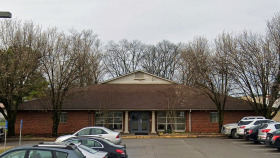
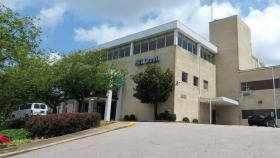
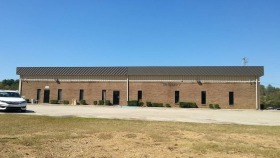
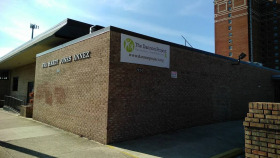
Warrior is a small Jefferson County city about 25 miles north of Birmingham, near the Blount County line. Despite its size, it is home to a comprehensive treatment program that offers a full continuum of care in one place, and the deep provider network of the Birmingham metro is a short drive south. You can browse the Alabama rehab directory to compare local and nearby addiction treatment options.
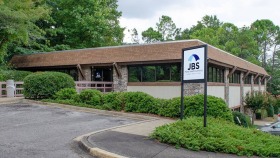
The local program provides medical detox, residential inpatient care, outpatient treatment and dual diagnosis services, and holds Joint Commission accreditation. Publicly funded care across the region runs through JBS Mental Health Authority, the community mental health authority for Jefferson, Blount and St. Clair counties, which offers sliding-scale outpatient and residential care so no one is turned away for inability to pay. Around-the-clock crisis help is available through the Craig Crisis Care Center and the Crisis Center of Birmingham.
Jefferson County tracks overdose data closely, and the recent trend is encouraging. In fact, deaths peaked in 2023 and then fell in 2024, the first annual decline since 2018. Because fentanyl still drives most of the harm, quick access to treatment and naloxone remains essential.




Cost of Rehab in Warrior
There is no single price for rehab in Warrior. Cost depends on the level of care, how long treatment lasts, whether a program is public or private and what your insurance covers. Outpatient counseling is the most affordable option; medical detox and residential inpatient care cost more because they include around-the-clock supervision and medication-assisted treatment falls in between.
Local figures track Alabama’s statewide averages. Keep in mind that many people pay far less than the sticker price once insurance, Medicaid or a sliding fee scale is applied.
Publicly funded programs are a big reason cost does not have to be a barrier here. JBS Mental Health Authority sets fees on a sliding scale based on income, which means low- or no-cost care for residents who qualify, and pregnant women are admitted with no fee at any certified Alabama provider. As well, treatment scholarships and financial assistance can also help to close the gap for private programs.




How to Pay for Rehab in Warrior
The local Warrior program accepts self-payment, private insurance and TRICARE, and the wider Birmingham network and JBS Mental Health Authority add public and low-cost options. Here is how the main payment paths work.
Insurance, TRICARE and private pay
Private plans sold in Alabama must cover substance use treatment, and the local program accepts TRICARE for active-duty service members, retirees and eligible family members. Verifying benefits before admission tells you what a program will cost you, and reviewing how insurance covers rehab helps you plan.
See more addiction resources for veterans and military families.
Medicaid and public options
Alabama Medicaid covers substance use treatment for members who qualify. Because Alabama has not expanded Medicaid, many low-income adults rely on JBS’s state-funded, income-based sliding-scale services instead. Importantly, Alabama Medicaid does cover medication-assisted treatment for opioid use disorder.
Levels of Care Available in Warrior
Unusually for a small town, Warrior’s local program offers a full continuum of care. Medically supervised detox and residential inpatient care provide 24-hour support for people who need to withdraw safely or step away from a high-risk environment, while outpatient treatment lets people attend scheduled care while living at home.
The program also provides dual diagnosis care, addressing a substance use disorder alongside a mental health condition such as depression, anxiety or PTSD at the same time. When treatment ends, aftercare and continuing support help protect recovery, with additional options available in nearby Birmingham.
Specialty Programs in Warrior
The local program tailors care to several groups, serving women, men, young adults and veterans and military families, and treats both alcohol use disorder and opioid use disorder. For additional specialized tracks, the wider provider network in Birmingham offers more options a short drive away.
Free and Low-Cost Rehab Resources in Warrior
Cost and insurance should never stop someone in the Birmingham metro from getting help. Several local and statewide resources offer free or low-cost support, from 24-hour crisis lines to income-based treatment.
Crisis and helplines
- 988 Suicide and Crisis Lifeline
Call or text 988
Free, confidential support 24/7. See more crisis and suicide prevention resources. - Crisis Center of Birmingham
205-323-7777
24/7 crisis and emotional support line serving Jefferson County. - Craig Crisis Care Center (JBS)
205-263-1701
24/7 behavioral crisis center with walk-in and mobile crisis services. - SAMHSA National Helpline
1-800-662-HELP (4357)
Free, confidential 24/7 treatment referral line.
Local treatment and recovery
- JBS Mental Health Authority
https://jbsmentalhealth.com/
Public community provider for Jefferson, Blount and St. Clair counties, offering sliding-scale outpatient, day treatment and residential care. - Alabama 211
Dial 211
Connect with local health, housing and treatment resources.
Government and harm reduction
- Jefferson County Department of Health
https://www.jcdh.org/
Free mail-order naloxone kits and fentanyl test strips to county residents. - Free naloxone
https://www.alabamapublichealth.gov/
Available at no cost through the Alabama Department of Public Health standing order and a statewide mail program.
Drug and Alcohol Use Statistics in Warrior
Because Warrior is in Jefferson County, the county’s closely tracked overdose data frames the local picture. Overdose deaths peaked in 2023 and then fell in 2024, the first annual decline since 2018, though fentanyl remains involved in most deaths. Seeing the local picture against national substance use statistics adds context.
Resources
- Public Affairs Research Council of Alabama. (2025). Data-Informed Decision Making Helps Drive Down Overdose Deaths in 2024. https://parcalabama.org/data-informed-decision-making-helps-drive-down-overdose-deaths-in-2024/
- WBRC. (2024). Jefferson County Coroner annual report: drug overdoses are up, homicides are down. https://www.wbrc.com/2024/05/08/jefferson-co-coroner-annual-report-drug-overdoses-are-up-homicides-are-down/
- Alabama Department of Mental Health. JBS Mental Health Authority (Jefferson-Blount-St. Clair 310 Board community mental health authority). https://mh.alabama.gov/at_biz_dir/jbs/