


About The Lovelady Center
The Lovelady Center is a faith based nonprofit residential program in Birmingham, Alabama serving adult women facing addiction, reentry and life transitions.
The center offers long term residential care with substance use education and individual counseling, vocational training and housing support for women rebuilding their lives.
Rooted in a Christ centered mission, Lovelady helps women return to their communities as empowered, well equipped individuals prepared for lasting change.
Long Term Residential Recovery
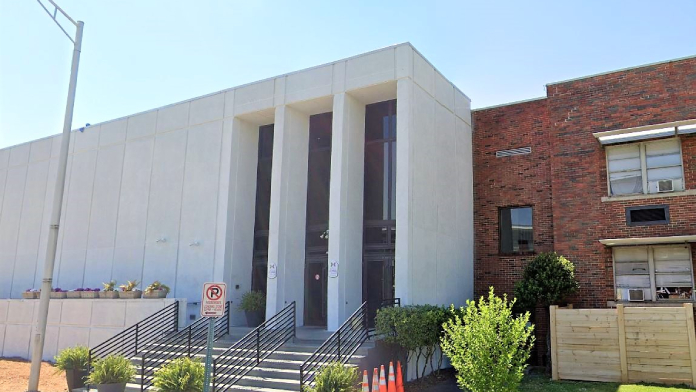
Lovelady's core specialty is long term residential recovery, with a typical stay of 9 to 12 months and a 9 month minimum for most participants. The program is structured around five phases that guide women from early stabilization through graduation, all within a communal living environment housed in the former East End Memorial Hospital building.
Daily life includes required counseling and sobriety maintenance, continuing education and job readiness programming. Graduation requirements are concrete and practical including GED completion when applicable and resolving legal issues, securing identification documents and building a positive home plan.
Reviews consistently describe the program as highly structured, deeply faith-centered, and transformational for women committed to recovery.
Reentry Support
Lovelady also specializes in serving women involved with the criminal justice system including those in parole, alternative sentencing and the Alabama Department of Corrections Supervised Reentry Program.
A distinguishing feature is the family restoration component, which allows some mothers to live onsite with their children, supporting healing across generations alongside housing, life skills and employment preparation.
Getting Started
The Lovelady Center operates a single residential campus in Birmingham, Alabama serving women from across Birmingham and surrounding communities through in person programming.
The center accepts private insurance and self pay, with low cost options and low barrier entry available to help more women access care.