
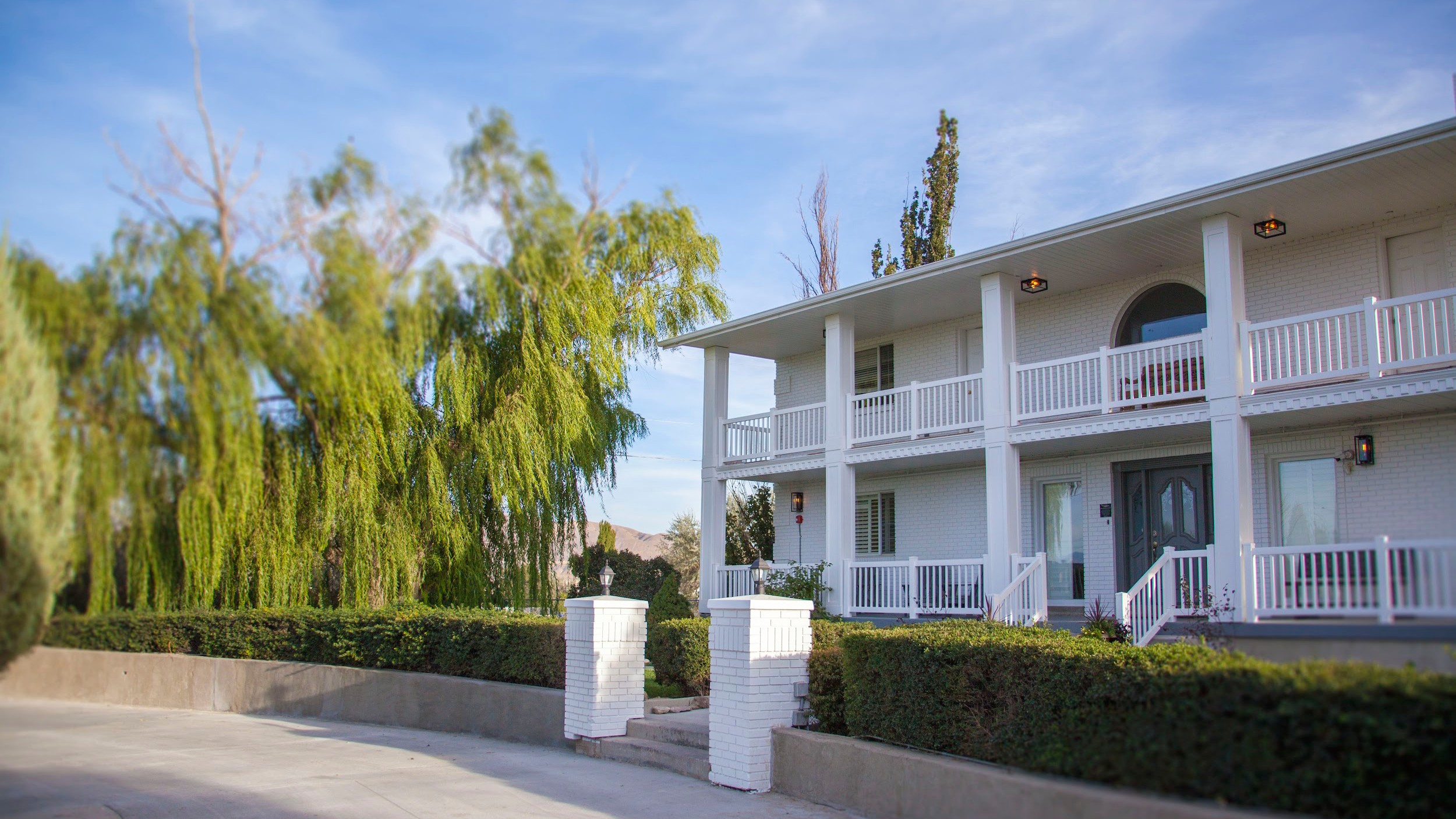
Wasatch Recovery Treatment Center Cottonwood Heights
Cottonwood Heights, UT
84121

Drug and alcohol rehab in Ogden, Utah, spans the full continuum of care across 18 local facilities, from medical detox and residential treatment to outpatient counseling and medication assisted treatment. Compare programs by level of care, payment option and specialty focus to find the right fit close to home.
 800-785-0495
 Sponsored

 Close
Close| Thumbnail | Name | Address | Phone | Treatment | Insurance |
|---|---|---|---|---|---|
|
Ogden Regional Medical Center |
5475 South 500 East, Ogden, UT 84405 Ogden Regional Medical Center in Ogden, Utah has behavioral, mental health and addiction treatment for all ages. There is a medical detoxification unit for adults and medication management. Diagnostic testing, assessments and mental health evaluations... |
(801) 479-2111 | Detox Inpatient Outpatient | Medicaid Private |
|
Renaissance Ranch Ogden Addiction Treatment Center |
5677 South 1475 East Suite 4A Ogden, UT 84403 The Renaissance Ranch Ogden addiction treatment center is located in Ogden, Utah. They provide comprehensive outpatient programming to help you work through addiction or co-occurring mental health conditions. They offer flexible programming during morning and... |
385-222-3737 | Inpatient | N/A |
|
Brighton Recovery Center |
6000 South 1075 East Ogden, UT 84405 Brighton Recovery Center in Ogden, Utah is a setting of hope. Surrounded by the serene beauty of the Wasatch Mountains, this center provides a supportive environment where you can reclaim your life from addiction. What... |
844-479-7035 | Inpatient Outpatient | Private |
|
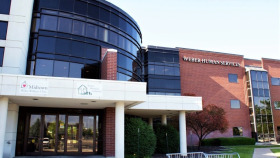
Weber Human Services |
237 26th Street Ogden, UT 84401 |
801-625-3700 | Inpatient Outpatient | Medicaid Private |
|
Ogden Regional Alcohol and Chemical Treatment Center |
5490 S 375 E Ogden, UT 84405 |
801-479-2250 | Detox Inpatient Outpatient | Private |
|
Action Recovery Group Drug and Alcohol Treatment |
1708 East 5550 South #23 Ogden, UT 84403 |
Detox Outpatient | Private | |
|
|
Weber Recovery Center |
2740 Pennsylvania Ave Ogden, UT 84401 |
801-675-5624 | Detox Inpatient Outpatient | Private |
|
|
Infinite Arches Recovery |
136 25th St Ogden, UT 84401 |
801-928-7770 | Detox Inpatient Outpatient | Private |
|
|
Keystone Recovery Ogden |
1159 30th St Ogden, UT 84403 |
385-492-7772 | Detox Inpatient Outpatient | Private |
|
|
BAART Programs Ogden |
2557 Lincoln Avenue Ogden, UT 84401 |
801-622-5272 | Detox Outpatient | Medicaid |
|
|
Summit Day Treatment |
4387 Harrison Boulevard Suite C-4 Ogden, UT 84403 |
801-387-4970 | N/A | Private |
|
Intermountain Behavioral Health Access Center McKay Dee |
4401 Harrison Boulevard Ogden, UT 84403 |
Inpatient | Medicaid Private | |
|
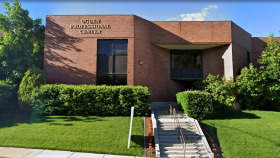
Professional Services Corporation |
535 26th Street, Ogden, UT 84401 |
Outpatient | N/A | |
|
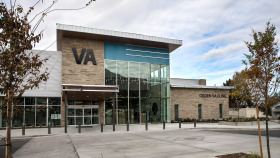
Ogden VA Clinic |
3945 South Washington Boulevard Suite 1 Ogden, UT 84403 |
Outpatient | Private | |
|
Brighton Recovery Center |
6000 South 1075 East Ogden, UT 84405 |
Outpatient | Private |
View more listings near Ogden or search by the letter of cities in Utah.
The listings you’ll see here aren’t based on whomever paid the most for treatment. Instead, we prioritize accredited providers who maintain current state licensure and publish clear information about the treatment programsthey offer.
We’ve organized these listings so you can compare real options based on factors that matter to you. The information focuses on the type of care provided, the populations served and the payment methods accepted.
We also share when a program offers targed treatment tracks, medication assisted treatment or financial assistance, so you can factor these details into your decision.
Any sponsored placements are noted that way. We don’t provide clinical endorsement.
We encourage you to verify program availability and insurance coverage with any center before you enroll in their treatment program.
Our Utah rehab directory currently lists 18 treatment facilities in and around Ogden. These options cover medical detox, residential rehab and outpatient care. Several programs coordinate care alongside Intermountain McKay-Dee Hospital and Ogden Regional Medical Center.
Community-based behavioral health in the county runs largely through Weber Human Services. This public provider delivers outpatient and residential substance use treatment, medication assisted treatment and naloxone education. They even offer a residential track that allows mothers to keep young children with them during treatment.
If you’re weighing your addiction treatment options, Weber Human Services and the local health department are good first stops. And Weber State University adds campus based support options if you’re a student in recovery.
You’ll find higher overdose numbers here than in much of the rest of the state. The county sheriff’s office and Utah health officials have dubbed Ogden an opioid overdose “hot spot.” It has a death rate notably higher than many other Utah counties. Downtown Ogden has been flagged specifically in state hot-spot reporting for years.
Fentanyl has driven most of the recent opioid use disorder deaths, although methamphetamine has surged, too. In response, the county and its partners have built out one of Utah’s most visible harm-reduction networks, including free naloxone vending machines across Ogden.
The cost of addiction treatment varies widely. What you ulimately pay for treatment in Ogden depends more on your insurance coverage and the type of treatment program than its location in Utah. The best way to control how much you pay out of pocket is to verify your rehab benefits with your insurance provider before you enroll in a program.
These are averages across all program types, and both medical detox and residential care drive the top figures upward. Most people entering outpatient treatment or medication-assisted treatment pay a small fraction of the highest numbers.
Ogden generally sits in Utah’s middle range for cost, below the pricier Salt Lake City and Park City markets. Several factors move an individual’s cost up or down, including:



If you’re worried cost may be a barrier, note that many Ogden programs accept Medicaid or offer sliding-scale fees that base payment on what you can afford.
The 18 facilities that serve Ogden accept various forms of payment for their programs. Your options include self payment, private insurance, public coverage and assistance programs. Below you’ll find the number of facilities that accept each of these payment types.





Here’s how the most common payment options work.
Medicare is the federal health insurance program that provides coverage for adults aged 65+ and some younger adults who qualify due to a disability. This coverage includes medically necessary addiction treatment. If you have an original Medicare plan, you’re typically responsible for a portion of the approved costs. Medicare Advantage plans offer coverage through private insurers with their own networks.
Three of the Ogden-area facilities in our directory accept Medicare. A good first step to apply Medicare coverage is to determine which local programs are in network.
Utah Medicaid is administered by the Department of Health and Human Services. This program covers substance use services such as outpatient care and medication-assisted treatment. Medicaid can allow you to get teratment with little or no out of pocket costs. Four Ogden facilities in the directory accept Medicaid. Weber Human Services is a main local resource for publicly funded treatment in Ogden.
TRICARE and the Department of Veterans Affairs provide coverage options for veterans and active-duty service members. Five Ogden facilities accept TRICARE. The VA Salt Lake City Health Care System provides an outpatient clinic that serves the Ogden area and can refer you to more intensive treatment if needed.
Thirteen of the local facilites accept private insurance. Eighteen accept self-payment or cash. Under federal parity rules, most private plans must cover substance use treatment comparably to other medical care. Deductibles, coinsurance and network restrictions vary by plan.
Major carriers with coverage in Utah include:
If you don’t have insurance or other program coverage, you can look into the three Ogden facilities that offer sliding-scale fees based on income. Another five faciltiies offer some form of financial assistance.
Utah also funds treatment for uninsured and underinsured residents through the state Division of Substance Use and Mental Health. This means it’s worth asking any program about grant-funded opportunities. Payment plans and rehab scholarships can further reduce your cost.
You’ll find every level of addiction care offered in Ogden. Seven facilities offer medical detox, another 10 feature inpatient rehab programs, 14 have standard outpatient clinics and eight programs include dual diagnosis programs. Your medical needs and personal circumstances determine which level of care is best for the start of your recovery journey.



Medical detox is where supervised withdrawal happens. The medical oversight is particularly important if you’re withdrawing from alcohol, benzos or opioids, since stopping these cold turkey without support can pose health hazards. You can learn more about what to expect by reviewing our supervised detox page.
Inpatient and residential rehab offers 24/7 care in a structured setting. This is a good fit if you need to get away from your home environment to focus on recovery.
Standard outpatient care is the most common and flexible level of treatment available in Ogden. This option lets you attend treatment sessions while continuing to work or care for family. This overview of outpatient rehab and intensive outpatient programs gives you a good idea of what to expect.
Dual diagnosis programs are offered at eight area facilities.This type of treatment addresses substance use alongside mental health conditions such as co-occurring depression and anxiety.
A partial hospitalization program is also available in Ogden if you need intensive treatment without staying overnight.
Many Ogden treatment programs offer targeted treatment for specific populations. The programs are tailored to the recovery needs for different ages and backgrounds. The information below gives you an idea of what specialty programs are available through local facilities.



Eleven local programs are geared toward young adult and college student substance use, which makes sense with Weber State University in town. Three other programs focus on the health and medication needs of older adults. Two facilities offer LGBTQ+ affirming addiction care.
Cost should not be the reason someone in Ogden goes without help. Because Weber County is a documented overdose hot spot, the community and the state have built out crisis support, harm reduction and publicly funded treatment at little or no cost. The resources below are verified against public and government sources.
County-level overdose data is not published for Ogden as a standalone series, so the figures below draw on statewide Utah reporting, paired with what local officials have said about Weber County specifically. The numbers indicate that Weber County carries a heavier overdose burden than much of the state.
Weber County has been repeatedly identified as an opioid overdose hot spot with a death rate higher than many other Utah counties. This is why so much naloxone distribution has been concentrated in Ogden. Statewide, the picture is shifting. Methamphetamine surpassed fentanyl in 2024 as the drug most commonly involved in overdoses, even as fentanyl remains a leading cause of death. Alcohol also remains a persistent driver of harm in the community.