




How We Rank Listings
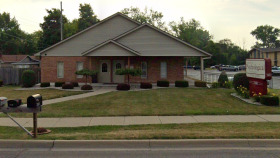
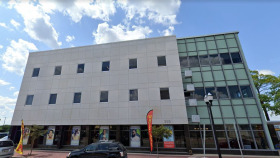
The treatment centers on this page are organized to help you compare real options in and around Saginaw, not to promote any single facility. We prioritize licensed and accredited programs, the breadth of services offered, the levels of care available, and the payment and insurance options each center accepts, so the listings reflect what actually matters when you are choosing care.
Listings draw on public treatment locators, facility-reported information, and accreditation records. We give weight to programs with recognized credentials such as Joint Commission or CARF accreditation and to those that accept a range of payment types, including Medicaid and Medicare. Because availability, staffing, and accepted plans change over time, we encourage you to confirm current details directly with any facility before making a decision.
Rehab in Saginaw: What to Know
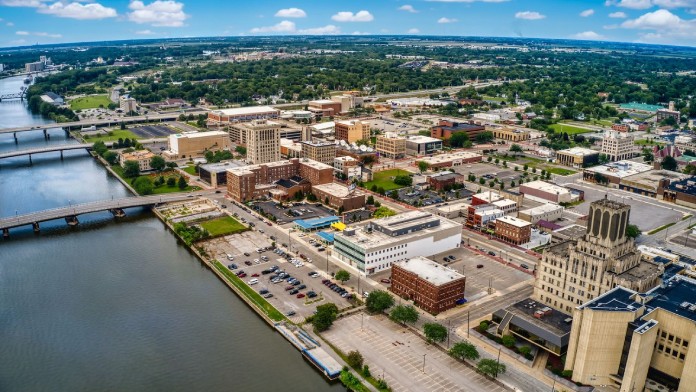
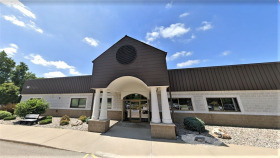
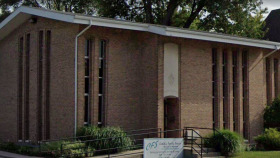
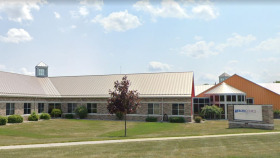
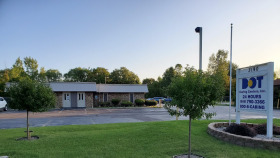
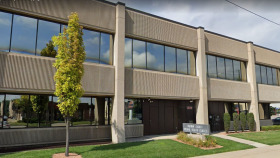
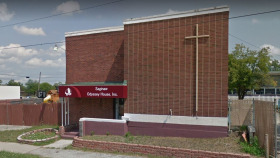
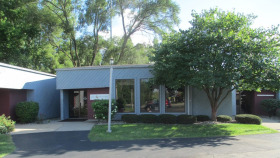
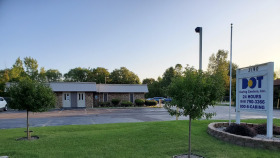
Saginaw sits at the center of Michigan’s Great Lakes Bay Region, the tri-county area that also encompasses Midland and Bay City. The Michigan rehab directory lists 20 treatment centers serving the Saginaw area, ranging from hospital-affiliated detox to community outpatient clinics, which gives residents a workable mix of options without having to drive to Detroit or Grand Rapids for care.
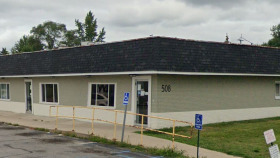
Public behavioral health care in the county runs through the Saginaw County Community Mental Health Authority (SCCMHA), a Certified Community Behavioral Health Clinic headquartered at 500 Hancock Street. SCCMHA provides access and assessment, outpatient and intensive outpatient counseling, and coordinated care for people with substance use disorders, and its services are available regardless of insurance status.
Medicaid-funded substance use treatment in the region is managed by Mid-State Health Network, the prepaid inpatient health plan covering Saginaw and nine neighboring counties. Together, these organizations form the backbone of publicly funded addiction treatment options in the county.
Local demand for that care is real. A July 2025 analysis from Michigan OPEN placed Saginaw County seventh among all Michigan counties on a composite opioid crisis indicator, reflecting sustained pressure from opioid use disorder even as statewide overdose deaths have begun to fall. County agencies have responded with a coordinated push, including the BWell Saginaw partner coalition and the CAREring Quick Response Team, a collaboration among the Saginaw County Health Department, Ten16 Recovery Network, Mobile Medical Response, Great Lakes Bay Health Centers, and Peer360 that connects overdose survivors to treatment and recovery support.
Cost of Rehab in Saginaw
There is no single price for addiction treatment, and what you pay in Saginaw depends on the level of care, the length of the program, and whether insurance or Medicaid covers part of the bill. Statewide averages give a useful starting point. Across Michigan, the figures below reflect typical full-course costs by type of care.
Medical detox is the most expensive level of care statewide, reflecting round-the-clock medical supervision. Source: Rehab.com Saginaw directory, 2026.
Long-term inpatient rehab in Michigan costs this much on average. Source: Rehab.com Saginaw directory, 2026.
Outpatient addiction treatment in Michigan averages far less than residential care. Source: Rehab.com Saginaw directory, 2026.
Outpatient methadone treatment is the most affordable option on average. Source: Rehab.com Saginaw directory, 2026.
Actual costs vary widely by facility and program length. Because Saginaw is a mid-sized metro rather than a high cost-of-living market, local pricing tends to track at or below statewide figures. The most reliable way to plan is to verify your rehab benefits and ask each center directly what your out-of-pocket share would be. Inquire about the following factors, which significantly affect the final cost:




How to Pay for Rehab in Saginaw
Most of the 20 treatment centers serving Saginaw accept more than one form of payment, which means cost does not have to be the barrier it first appears to be. The breakdown below shows how many local facilities accept each major payment type.

18 accept self-payment or cash
17 accept private health insurance

17 accept Medicaid, including the Healthy Michigan Plan

13 accept Medicare

11 accept TRICARE

12 offer financial assistance

6 offer sliding-scale fees

2 offer free treatment
Knowing which of these applies to you narrows the search quickly. The sections below explain how the most common options work for Saginaw residents.
Medicare
Medicare covers medically necessary addiction treatment for eligible older adults and people with qualifying disabilities, including inpatient care, outpatient services, and prescription medications used in recovery. Thirteen Saginaw-area centers accept Medicare. Coverage rules and cost-sharing can be confusing, so it helps to understand how insurance covers addiction treatment before you enroll in a program.
Medicaid
Medicaid is one of the most widely accepted payment types in the area, with 17 centers taking it. In Michigan, low-income adults are often covered through the Healthy Michigan Plan, the state’s Medicaid expansion program, and behavioral health benefits for Medicaid enrollees in Saginaw County are managed regionally by Mid-State Health Network. Medicaid plans in Michigan cover substance use disorder services, including medication-assisted treatment for opioid and alcohol use disorders.
Military Benefits
Eleven Saginaw-area facilities accept TRICARE, the health program for active-duty service members, retirees, and their families. Veterans may also access care through the VA in addition to community programs. TRICARE typically covers detox, inpatient, and outpatient services when they are medically necessary.
Insurance and Private Pay
Seventeen centers accept private health insurance, and 18 accept self-payment, so most people have a workable path even without public coverage. If you are paying out of pocket, ask about program length options and payment plans, since a shorter outpatient course costs far less than long-term residential care.
Insurance providers that are active in this area include:
- Aetna
- Blue Cross Blue Shield of Michigan
- Cigna
- HAP
- Humana
- McLaren Health Plan
- Meridian
- Molina Healthcare
- Priority Health
- UnitedHealthcare
Other Low-Cost Options
Twelve area centers offer financial assistance, and six offer sliding-scale fees that adjust the cost based on your income. SCCMHA also applies a sliding fee scale for county residents who are not enrolled in Medicaid or the Healthy Michigan Plan, which can make outpatient counseling reachable for people who would otherwise go without.
Free Treatment Programs
Two facilities in the area offer free treatment, and additional no-cost recovery support is available through community organizations. If cost is your main obstacle, it is worth asking centers whether they hold grant-funded slots or can connect you with rehab scholarships.
Levels of Care Available in Saginaw
The 20 centers serving Saginaw cover the full continuum of care, from medically supervised detox through long-term outpatient support. There are 11 detox providers, six inpatient programs, and 18 outpatient clinics, giving people options at every stage of recovery.
11 medical detox facilities

6 inpatient rehab programs

18 standard outpatient clinics

1 partial hospitalization program
18 dual diagnosis programs

1 sober living home
Medical detox is usually the first step when the body has become physically dependent on alcohol or opioids. Supervised medical detox manages withdrawal safely and prepares a person for ongoing treatment. Eleven Saginaw-area facilities provide it.
Inpatient rehab offers 24-hour structured care in a residential setting, which suits people with severe or long-standing addiction or an unstable home environment. Six area programs offer residential treatment.
Outpatient rehab lets people live at home and keep working or caring for family while attending scheduled treatment. With 18 clinics, outpatient and intensive outpatient programs are the most widely available level of care in Saginaw, and one partial hospitalization program offers a more intensive daytime option.
Dual diagnosis care treats addiction alongside conditions such as co-occurring depression or anxiety, and 18 local programs are equipped for it, which matters because mental health and substance use so often occur together.
For those transitioning out of structured treatment, one sober living home and a range of rehab aftercare supports help maintain progress.
Specialty Programs in Saginaw
Many Saginaw-area centers tailor treatment to specific groups, which can make care feel more relevant and easier to stay engaged with. The programs below reflect the specialty options reported across local facilities.

15 men’s programs

14 women’s programs

16 young adult programs

8 programs for older adults

13 alcohol rehab programs
13 opioid rehab programs

3 LGBTQ+ friendly programs
2 veterans and military programs
Thirteen centers focus on alcohol use disorder, and 13 address opioid use disorder, the two substances most reflected in local treatment demand. Three programs offer LGBTQ+ affirming addiction care, and two provide services geared toward veterans and military families through rehab resources for veterans and military. Gender-specific tracks, young adult programming, and options for older adults round out the specialty care available in the county.
Free and Low-Cost Rehab Resources in Saginaw
Beyond formal treatment centers, Saginaw County has a network of free and low-cost resources that can help in a crisis, connect you to care, or reduce the immediate risks of substance use. The list below focuses on services with a verifiable local presence.
Crisis and Support Lines
- 988 Suicide and Crisis Lifeline
https://988lifeline.org/
Call or text 988 for free, confidential support 24/7, including for substance use crises. See additional crisis support resources. - SCCMHA 24-Hour Crisis Line
https://www.sccmha.org/our-services/crisis-intervention-services/crisis-intervention-services.html
A helpline for mental health and substance use crises in Saginaw County - SAMHSA National Helpline
https://www.samhsa.gov/find-help/helplines/national-helpline
A free, confidential, 24/7 treatment referral line
County Behavioral Health and Navigation
- Saginaw County Community Mental Health Authority (SCCMHA)
https://www.sccmha.org/
500 Hancock Street, Saginaw. Offers assessment, outpatient and intensive outpatient treatment, and a sliding fee scale for those without Medicaid - 211 Great Lakes Bay Region
https://www.211nemichigan.org/regional-programs/great-lakes-bay.html
Dial 211 or visit 211nemichigan.org for free, confidential, 24/7 connection to local health and human services across Saginaw and neighboring counties.
Harm Reduction
- Room 202, Saginaw County Health Department
https://saginawpublichealth.org/programs-services/room-202-harm-reduction-services/
1600 N. Michigan Avenue, Saginaw. Open Tuesday and Thursday, offering free syringes, wound-care and hygiene supplies, naloxone (Narcan), and fentanyl test strips. - SCHD Naloxone Vending Machine
https://www.saginawpublichealth.org/
The first of its kind in the Great Lakes Bay Region, dispensing free naloxone and fentanyl test strips from the health department lobby, no questions asked, weekdays 8 a.m. to 5 p.m. - NEXT Distro (Michigan)
https://nextdistro.org/midistro
Mail-based naloxone and harm reduction supplies for Michigan residents who cannot reach in-person services.
Community Recovery Support
- Ten16 Recovery Network
https://1016.org/
Peer recovery support and outpatient counseling in Saginaw, embedded at the Great Lakes Bay Health Center Davenport Campus, 3023 Davenport Avenue. - Great Lakes Bay Health Centers
https://greatlakesbayhealthcenters.org/
A federally qualified health center offering integrated behavioral health and substance use services on a sliding scale
Drug and Alcohol Use Statistics in Saginaw
Saginaw County carries a heavier substance use burden than much of Michigan. A July 2025 Michigan OPEN analysis ranked it seventh statewide on a composite opioid crisis indicator, even as Michigan as a whole has seen overdose deaths decline for three straight years. The figures below place local conditions in state context.
Saginaw County’s rank among all 83 Michigan counties on a composite opioid use disorder crisis indicator (score 146.9). Source: Michigan OPEN white paper, 2025.
Opioid overdose deaths statewide in Michigan in 2023, down from 2,422 the prior year. Source: MDHHS / Opioid Free Michigan, 2026.
Population of the Saginaw metropolitan area, the largest city in Michigan’s Great Lakes Bay Region. Source: U.S. Census Bureau CSA data.
Fentanyl continues to drive the risk. Statewide, fentanyl and other synthetic opioids were involved in 74% of Michigan overdose deaths in 2023, which is why local harm reduction efforts center on naloxone and fentanyl test strip distribution. For a broader view of how these numbers compare nationally, see the national substance use statistics.
Of Michigan overdose deaths involved fentanyl or other synthetic opioids in 2023. Source: CDC via USAFacts, 2026.
Resources
- Rehab.com (2026) How Much Does Rehab Cost In Saginaw? https://www.rehab.com/michigan/saginaw
- Michigan OPEN. (2025). Michigan’s Opioid Use Landscape (July 2025 Update). https://michigan-open.org/
- USAFacts. (2026). How many drug overdose deaths happen every year in Michigan? https://usafacts.org/answers/how-many-drug-overdose-deaths-happen-every-year-in-the-us/state/michigan/
- Opioid Free Michigan / Michigan Department of Health and Human Services. (2026). Adult Opioid Use in Michigan. https://opioidfreemichigan.org/resources/adult-opioid-use-michigan/
- Saginaw County Community Mental Health Authority. (2026). Persons with Substance Use Disorders. https://www.sccmha.org/