



How We Rank Listings
Every facility on this page is a licensed or accredited provider pulled from public treatment directories, then organized to help you compare real options side by side. We prioritize listings by the completeness of their verified information, the levels of care they offer, the payment types they accept, and their accreditation status with bodies such as the Joint Commission and CARF.
Listings are informational and are not paid placements or endorsements of any single provider. We do not rank one center above another based on advertising. Our goal is to give you an accurate, current picture of what is available in Flint so you can make the call that fits your situation, your budget, and your insurance.
- Verified licensing and accreditation
- Levels of care and specialty programs offered
- Accepted insurance and payment options
- Completeness and recency of facility information
Rehab in Flint: What to Know
Flint is the seat of Genesee County and the largest city in Michigan’s East Central region, with a metro population of roughly 400,000. There are 30 drug and alcohol treatment facilities in and around the city, spanning medical detox, residential care, and outpatient services.
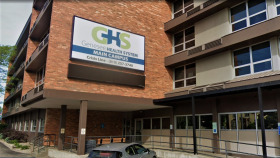
If you cannot find the right fit locally, the full Michigan rehab directory lists options statewide, including programs in nearby Saginaw, Lansing, and metro Detroit. Public behavioral health in the county is anchored by Genesee Health System (GHS), the designated community mental health authority, which coordinates substance use treatment through the Genesee Community Health Center and the Region 10 Prepaid Inpatient Health Plan.
Region 10 handles screening and authorization for people who are uninsured or covered by Medicaid, which matters in a city where a large share of residents rely on public coverage. Exploring addiction treatment options early helps you understand which level of care fits before you call a specific center.
Flint is at the center of one of Michigan’s hardest-hit areas for opioid harm. Genesee County has repeatedly ranked among the state’s highest counties for overdose death rates, driven largely by fentanyl in the illicit drug supply. That local context shapes what treatment is offered in the local community.
A strong demand for opioid use disorder care, medication-assisted treatment, and rapid post-overdose connection to services through initiatives like the Genesee County Quick Response Team.
Local prevention and recovery groups, including the Greater Flint Health Coalition’s Mental Health and Substance Use Task Force and the Genesee County Prevention Coalition, work alongside treatment providers on education, harm reduction, and community recovery support.
For many families, the practical starting point is a single phone call to the GHS access line, which can route someone toward detox, residential care, or outpatient treatment depending on need.



Cost of Rehab in Flint
Treatment cost in Flint tracks closely with statewide Michigan averages, and the range is wide depending on the level of care, program length, and whether you use insurance. The figures below reflect state-level averages for a full course of treatment and are the best available benchmark for planning.
Because Flint’s cost of living is at or below the state average, local prices are unlikely to run above these figures, and many public and nonprofit providers charge far less on a sliding scale.
These averages assume little or no insurance coverage. With insurance benefits verified up front, most people pay only a fraction of these amounts, and comparing an inpatient program against an outpatient program often changes the total cost more than any other single factor.




How to Pay for Rehab in Flint
All 30 Flint-area facilities accept some form of payment assistance, and most work with multiple funding sources. Self-payment, private insurance, Medicaid, and Medicare are widely accepted, and a strong majority of local programs also participate in TRICARE and offer financial assistance.
The mix below shows how many of the 30 facilities accept each payment type.






Which option makes the most sense depends on your coverage and income. The breakdown below walks through the most common ways people in Flint pay for care.
Medicare
Medicare covers medically necessary addiction treatment for eligible older adults and people with qualifying disabilities, including inpatient care, outpatient services, and counseling. Twenty-three Flint-area facilities accept Medicare. Coverage details, copays, and prior authorization rules vary by plan, so it helps to understand how Medicare covers addiction treatment before you enroll in a program.
Medicaid
Michigan Medicaid, including coverage through the Healthy Michigan Plan, pays for substance use disorder treatment such as inpatient care, outpatient services, and medication. Twenty-three Flint facilities accept Medicaid, and locally the Region 10 Prepaid Inpatient Health Plan screens and authorizes services for Medicaid members and uninsured residents through Genesee Health System.
Medicaid commonly covers medication-assisted treatment for opioid use disorder, which is a central part of care given Flint’s opioid burden.
Military Benefits
TRICARE covers addiction treatment for active-duty service members, retirees, and their families, and 17 Flint-area facilities accept it. Veterans may also qualify for care through the Department of Veterans Affairs. Additional rehab resources for veterans and military families can help you understand eligibility and how VA benefits coordinate with civilian programs.
Insurance and Private Pay
Twenty-eight Flint facilities accept private health insurance, and federal parity law requires most plans to cover mental health and substance use treatment. Thirty facilities accept self-payment for those who are uninsured or prefer to pay directly, and three offer financing to spread costs over time. Verifying your benefits before admission is the single best way to avoid surprise bills.
Other Low-Cost Options
Twenty Flint-area facilities offer financial assistance and three provide sliding-scale fees that adjust the price based on income. Public and nonprofit providers, including those coordinated through Genesee Health System, are often the most affordable route for people without insurance. If cost is the main barrier, rehab scholarships and state-funded programs can help close the gap.
Levels of Care Available in Flint
Flint offers a full continuum of care, with 8 medical detox facilities, 15 inpatient programs, and 28 outpatient clinics, plus strong availability of dual diagnosis and sober living support. The cards below show how many local facilities offer each level of care.



Medical detox is usually the first step for anyone with physical dependence on alcohol, opioids, or benzodiazepines. Supervised medical detox manages withdrawal safely and prepares a person for ongoing treatment.
Inpatient rehab provides 24-hour residential care and structured therapy, and is often recommended for more severe substance use disorders or when home is not a stable environment for recovery. Residential treatment typically runs 30 to 90 days.
Outpatient rehab lets people receive treatment while living at home and keeping up with work or family responsibilities. Outpatient programs range from standard weekly counseling to more intensive schedules, and are common for step-down care after detox or inpatient treatment.
Dual diagnosis programs treat a substance use disorder alongside a co-occurring mental health condition such as co-occurring depression or anxiety. Twenty-six Flint facilities offer this integrated approach, which is important because untreated mental health symptoms often drive relapse.
Sober living homes offer a substance-free, peer-supported living environment during and after formal treatment. Six local homes provide this bridge, and structured continuing care after treatment substantially improves long-term outcomes. Given the local opioid picture, many Flint programs also incorporate medication-assisted treatment into their level-of-care mix.
Specialty Programs in Flint
Beyond standard treatment tracks, Flint providers offer programs tailored to specific populations and substances. These specialized approaches recognize that a young adult, a veteran, or someone seeking alcohol-specific care often has different needs. The cards below show how many local facilities offer each specialty.






Young adult and women’s programs are the most widely available specialty tracks in Flint. Alcohol-focused care remains a mainstay, with 17 programs treating alcohol use disorder, while 13 facilities offer dedicated care for opioid use disorder, reflecting the county’s ongoing opioid crisis.
Nine programs provide LGBTQ+ affirming addiction care, and two offer specialized rehab resources for veterans and military members. Older adults have solid options as well, with 11 programs designed around their needs.
Free and Low-Cost Rehab Resources in Flint
Cost should never be why someone in Flint doesn’t receive treatment. The following crisis lines, public providers, and harm reduction services are free or low-cost and serve Genesee County residents regardless of insurance or ability to pay. If you or someone you love is in immediate danger, call 911 or reach a crisis support line first.
Crisis and Helplines
- 988 Suicide and Crisis Lifeline
https://988lifeline.org/
Available 24/7 for mental health and substance use crises. - Genesee Health System 24-Hour Crisis Line
https://genhs.org/get-help-today/
Around-the-clock help for mental health, substance use, and family crises. Text FLINT to 741741 anytime. - GHS Behavioral Health Urgent Care
https://genhs.org/
Walk-in and virtual urgent care open 24/7/365. - SAMHSA National Helpline
https://www.samhsa.gov/find-help/helplines/national-helpline
Free, confidential, 24/7 treatment referral in English and Spanish.
Public and Nonprofit Providers
- Genesee Health System
https://genhs.org/
The county’s public behavioral health authority, providing substance use and mental health services on a sliding scale. - Genesee Community Health Center
https://genhs.org/locations/gchc/
Outpatient evidence-based substance use treatment in partnership with GHS, including free Narcan training. - Region 10 PIHP
https://www.region10pihp.org/
Screening and authorization of treatment for uninsured and Medicaid-covered residents across Genesee County. - Michigan 2-1-1
https://mi211.org/
Connect with local nonprofit and government resources, including treatment, housing, and food assistance.
Harm Reduction
- Genesee County Quick Response Team
https://knowmoregenesee.org/qrt/
Post-overdose outreach connecting survivors to treatment and recovery support, with peer recovery coaching provided by New Paths, Inc. - MDHHS Naloxone Direct Portal
https://www.michigan.gov/opioids/find-help/naloxone-page
Free naloxone for Michigan residents and community groups. - Narcotics Anonymous – Flint
https://michigan-na.org/flint-area/meetings/
Free peer support meetings throughout the area.
Government and Medicaid
- Genesee County MDHHS – Union Street District Office
https://www.michigan.gov/mdhhs
Applications for Michigan Medicaid, the Healthy Michigan Plan, and public assistance.
Drug and Alcohol Use Statistics in Flint
Genesee County has been among the hardest-hit counties in Michigan for overdose deaths, with a death rate well above the state average driven overwhelmingly by fentanyl.
Recent county-level data shows some early signs of improvement in synthetic opioid deaths, mirroring a statewide decline, but the burden on Flint and its surrounding communities remains severe.
County-specific figures point in a cautiously hopeful direction. According to the Michigan Overdose Data to Action dashboard, Genesee County’s synthetic opioid-involved overdose death rate declined from roughly 42 to 39 per 100,000 residents in 2023.
Statewide, provisional data suggest overdose deaths fell another 34% between 2023 and 2024, aided by widespread naloxone distribution and expanded access to fentanyl test strips.
The persistence of fentanyl in the local drug supply means demand for treatment and harm reduction in Flint remains high even as the numbers improve. For national context, browse the full national substance use statistics.
Resources
- Addictions.com. (2024). Alcohol & Drug Rehabs in Michigan. https://www.addictions.com/rehabs/michigan/
- Patch / San Francisco Chronicle. (2023). These MI Counties Lead State In Opioid, Fentanyl Deaths: Report. https://patch.com/michigan/across-mi/these-mi-counties-lead-state-opioid-fentanyl-deaths-report
- Michigan Department of Health and Human Services. (2024). Michigan’s overdose death rate declines nearly five times faster than national average. https://www.michigan.gov/mdhhs/inside-mdhhs/newsroom/2024/11/12/overdose-deaths
- Michigan Department of Health and Human Services. (2025). Deadly opioid carfentanil reemerges in Michigan. https://www.michigan.gov/mdhhs/inside-mdhhs/newsroom/2025/06/30/overdoses
- Michigan OPEN. (2025). Michigan’s Opioid Use Landscape (July 2025 Update). https://michigan-open.org/
- Genesee Health System. (2026). Get Help Today. https://genhs.org/get-help-today/
- Genesee County Quick Response Team. (2022). Know More About Addiction. https://knowmoregenesee.org/qrt/