




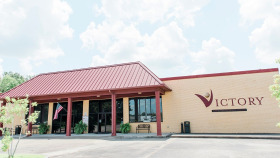

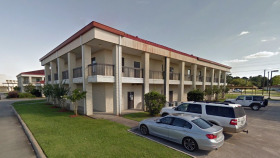
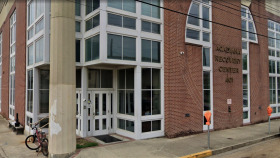

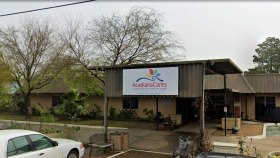


Drug and alcohol rehab in Lafayette, Louisiana spans 21 treatment centers across Acadiana, from medical detox and residential care to outpatient counseling and dual diagnosis programs. Compare local options by level of care, insurance, and cost, and find free and low-cost help through Lafayette Parish resources when paying for treatment feels out of reach.
How We Rank Listings
Our Lafayette listings are organized to help you compare treatment centers based on the details that matter most when choosing care, including available levels of care, accreditation, insurance and payment options, and the specialty programs each facility provides.
We prioritize centers that hold recognized accreditations and current state licensing, and we surface the information you need to verify a program before you call.
We do not accept payment from facilities in exchange for higher placement. Listings reflect verifiable program details drawn from facility records, accrediting bodies, and public data sources.
Each center is presented alongside the same set of attributes so you can weigh your options side by side and make an informed decision for yourself or someone you love.
Rehab in Lafayette: What to Know
Lafayette is the parish seat of Lafayette Parish and the cultural and economic center of Acadiana, the eight-parish region of south-central Louisiana. With about 122,000 residents in the city and roughly 250,000 across the parish, Lafayette anchors the third-largest metropolitan area in the state.
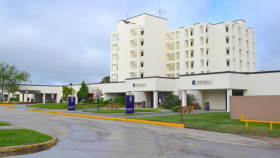
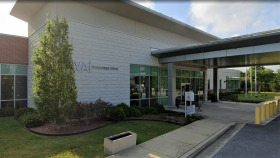
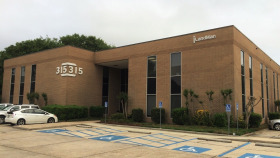
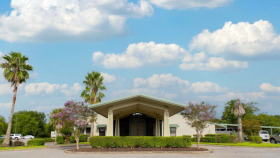
The 21 Louisiana rehab centers listed in Lafayette range from hospital-based inpatient units to community outpatient clinics, giving people in the Hub City several starting points for addiction treatment close to home.
Public behavioral health care in the region runs through the Acadiana Area Human Services District (AAHSD), the state-created local governing entity responsible for addictive disorder and mental health services across Acadia, Evangeline, Iberia, Lafayette, St. Landry, St. Martin, and Vermilion parishes.
AAHSD operates the Dr. Joseph Henry Tyler Jr. Behavioral Health Clinic at 302 Dulles Drive in Lafayette and provides outpatient substance use treatment along with medication-assisted treatment using methadone, buprenorphine, and naltrexone for people with opioid use disorder.
Fentanyl has reshaped the local picture over the past several years. According to reporting from the Lafayette Parish Coroner’s Office, the parish recorded 71 overdose deaths in 2024, with at least 45 tied to fentanyl, down from a peak of 114 fentanyl-related deaths in 2022.
Louisiana Department of Health Region 4 officials have pointed to illicitly manufactured fentanyl in counterfeit pills as the primary driver, and that trend shapes what many local programs now screen and treat for.
Lafayette also sits at the center of a wider treatment network. The University of Louisiana at Lafayette brings a large young adult population to the city, and the region’s road connections make programs in nearby Youngsville, Broussard, and New Iberia reachable for people who need a specific level of care not available at their closest facility.
Cost of Rehab in Lafayette
Treatment costs in Lafayette follow statewide patterns, and the price depends heavily on the level of care, the length of the program, and whether you use insurance. Statewide figures from Addictions.com Louisiana data give a useful benchmark for what care can cost before insurance or financial assistance is applied.
For many people, verifying your rehab benefits is the single biggest factor in what they actually pay out of pocket.
Because Lafayette does not publish separate city-level pricing, treat these state averages as your planning baseline. Lafayette’s cost of living sits close to the Louisiana average, so local prices are unlikely to run far above or below these figures.
What moves the number most is the setting you choose: an inpatient rehab stay carries a much higher price than an outpatient program, and financial assistance or sliding-scale fees can substantially lower either.





How to Pay for Rehab in Lafayette
Across the 21 treatment centers in Lafayette, several payment pathways are available, and most facilities accept more than one. The cards below show how many local programs report accepting each option, which can help you narrow your search before you start calling.





Understanding how each option applies to your situation makes the cost of care far more predictable. The breakdown below covers the payment types most relevant to people seeking treatment in Lafayette.
Medicare
Two Lafayette facilities report accepting Medicare. Part A generally covers inpatient psychiatric and residential treatment stays, while Part B covers outpatient programs, individual counseling, and medication-assisted treatment. If you or a loved one is Medicare-eligible, ask the facility to walk through deductibles, copays, and what to expect from prior authorization before admission.
Medicaid
Louisiana’s Medicaid program, Healthy Louisiana, covers a broad range of substance use disorder services, including medical detox, residential treatment, outpatient programs, and medication-assisted treatment with buprenorphine and methadone.
Six Lafayette centers accept Medicaid, and AAHSD’s public clinic is an option for uninsured or underinsured people. Behavioral health services are delivered through the Healthy Louisiana managed care plans, so it helps to confirm which plan a facility works with.
Military Benefits
Five Lafayette facilities accept TRICARE, and enrolled veterans can also receive substance use counseling and treatment through the Lafayette VA Clinic, part of the Alexandria VA Health Care System. Additional support is available for those coordinating care across VA and community providers.
Insurance and Private Pay
Private insurance is accepted at 13 Lafayette centers, and 14 accept self-payment or cash. Major carriers active in Louisiana are listed below. If you carry private coverage, ask the facility to verify your benefits before admission so you know your copay, deductible, and any out-of-network exposure up front. Most plans cover core services such as behavioral therapy, though the number of sessions and settings covered varies by plan.
- Aetna
- Blue Cross Blue Shield of Louisiana
- Cigna
- Humana
- UnitedHealthcare
- Healthy Blue
- AmeriHealth Caritas
- TRICARE
Other Low-Cost Options
For people without insurance, three Lafayette facilities offer sliding-scale fees, two offer financial assistance, and three offer financing arrangements that spread payments over time. Public and nonprofit providers such as AAHSD and Acadiana CARES also deliver services on a reduced-cost or grant-funded basis. People who cannot afford care may want to explore rehab scholarships as an additional pathway.
Levels of Care Available in Lafayette
Lafayette offers a full continuum of care, from medically supervised detox through residential treatment and community outpatient services. Local counts include 9 detox facilities, 15 inpatient programs, 17 outpatient clinics, and 9 dual diagnosis programs, giving people options at nearly every stage of recovery.





Medical detox is often the first step for people with physical dependence on alcohol, opioids, or benzodiazepines. Supervised detox provides monitoring and medication to manage withdrawal safely. Lafayette’s nine detox providers include hospital-based units suited to more complex or higher-risk withdrawal. Learn more about what to expect from medical detox.
Inpatient and residential care provides 24-hour support in a structured setting, typically for 30 to 90 days. With 15 programs, this is the most common level of care in Lafayette. Residential treatment is often recommended for people with severe or long-standing addiction or an unstable home environment.
Outpatient programs let people live at home while attending scheduled treatment, which fits those with work, school, or family responsibilities. Lafayette’s 17 outpatient clinics span standard weekly counseling through more structured schedules. See how outpatient rehab compares to residential care.
Dual diagnosis programs treat a substance use disorder alongside a mental health condition such as co-occurring depression or anxiety. Nine Lafayette facilities offer this integrated approach, which addresses both conditions at once rather than in isolation.
Partial hospitalization and sober living round out the local options. Two PHP programs offer day treatment for people who need intensive support without an overnight stay, and two sober living homes provide structured, substance-free housing that supports the transition back to daily life. Planning for rehab aftercare early improves the odds of lasting recovery.
Specialty Programs in Lafayette
Several Lafayette centers tailor care to specific populations and substances, which can make treatment feel more relevant and effective. The programs below reflect the specialty options most represented among local facilities.






With 12 programs, alcohol treatment is the most widely available specialty in Lafayette, reflecting the prevalence of alcohol use disorder across the region. Five centers focus on opioid use disorder, an important resource given the parish’s fentanyl-driven overdose trend.
Eight programs serve young adults, a meaningful number in a college city, and gender-specific tracks are split evenly with seven women’s and seven men’s programs.
Three Lafayette facilities offer LGBTQ+ affirming addiction care, and three provide programs geared toward veterans and active-duty service members, complementing the rehab resources for veterans and military available through the local VA clinic.
Free and Low-Cost Rehab Resources in Lafayette
Cost should not be the reason someone in Lafayette goes without help. Several public agencies, nonprofits, and crisis lines serve the Acadiana region, many at no cost regardless of insurance status. If you or someone you know is in immediate danger, call 988 or 911 first. For 24/7 crisis support, the resources below are a good starting point.
Crisis and Helplines
- 988 Suicide and Crisis Lifeline
https://988lifeline.org/
Free, confidential, 24/7 support for people in emotional distress or a suicidal crisis. - Louisiana Crisis Hub
https://www.louisianacrisisconnect.org/
Free, 24/7 line for mental health and substance use crises statewide. - SAMHSA National Helpline
https://www.samhsa.gov/find-help/helplines/national-helpline
Free, confidential, 24/7 treatment referral and information service. - Louisiana 211
https://www.louisiana211.org/
Connects residents to local health and human services, including treatment referrals.
Public Behavioral Health
- Acadiana Area Human Services District (AAHSD)
aahsd.org
Public provider of outpatient substance use treatment and medication-assisted treatment for the seven-parish Acadiana region.
Community Nonprofits
- Acadiana CARES:
acadianacares.org
CARF-accredited nonprofit offering residential and outpatient substance use treatment, primary care, housing, and case management, with services for people affected by HIV/AIDS, homelessness, and substance use.
Veterans and Military
- Lafayette VA Clinic (Alexandria VA Health Care System)
va.gov/alexandria-health-care
Provides substance use disorder counseling and mental health care for enrolled veterans, with same-day help available. Veterans in crisis can also reach the Veterans Crisis Line by dialing 988 then pressing 1.
Naloxone and Harm Reduction
- NEXT Distro Louisiana
nextdistro.org
Mails free naloxone (Narcan) to Louisiana residents statewide and provides overdose prevention information, including guidance on Louisiana’s Good Samaritan law. - Over-the-counter naloxone
Available without a prescription at pharmacies throughout Lafayette, and at no cost for people with Medicaid coverage under Louisiana’s statewide standing order.
Drug and Alcohol Use Statistics in Lafayette
The overdose picture in Lafayette Parish reflects both the severity of the fentanyl crisis and a recent statewide turn toward fewer deaths. After a peak in 2022, overdose deaths in the parish declined in 2024, mirroring a broad drop across Louisiana. The figures below draw on the Lafayette Parish Coroner’s Office and the Louisiana Opioid Surveillance Program.
Statewide, Louisiana recorded a nearly 31% decrease in drug-involved overdose deaths from 2023 to 2024, the lowest level since 2020, according to data presented to the Louisiana Opioid Abatement Task Force.
Even with the decline, fentanyl remains deeply embedded in the drug supply. State toxicology testing found that about 51% of decedents tested positive for fentanyl in 2024. For people using opioids, understanding fentanyl overdose risk and keeping naloxone on hand can be lifesaving. Compare these local figures against national substance use statistics for fuller context.
Resources
- Acadiana Area Human Services District. (2026). Improve Your Quality of Life. https://aahsd.org/
- Louisiana Department of Health, Office of Behavioral Health. (2024). Substance Use and Gambling Disorders. https://ldh.la.gov/office-of-behavioral-health/substance-use-and-gambling-disorders
- Louisiana Department of Health. (2024). Healthy Louisiana. https://ldh.la.gov/subhome/13
- KADN News 15 Investigates. (2025). 2024 avoids breaking record of fentanyl-related deaths in Lafayette. https://www.kadn.com/news/investigates/
- WWNO / New Orleans Public Radio. (2025). Louisiana is seeing a steep decline in drug overdose deaths, state data show. https://www.wwno.org/public-health/2025-12-05/louisiana-is-seeing-a-steep-decline-in-drug-overdose-deaths-state-data-show
- U.S. Department of Veterans Affairs. (2025). Lafayette VA Clinic, VA Alexandria Health Care. https://www.va.gov/alexandria-health-care/locations/lafayette-va-clinic/
- Acadiana CARES. (2025). Services. https://www.acadianacares.org/services/