



Expert Insights
I was disheartened to learn that of the 23 million people impacted by addiction, 32 percent are mothers.
It’s tragic to me that these moms are put through the court system instead of being given access to life-saving treatment that will better their lives and their families. Then I learned about a new fundraising and awareness campaign launched in Port Saint Lucie called Forgotten Moms. The campaign hopes to increase awareness surrounding issues affecting mothers and to raise money for sorely lacking treatment resources.
I think this is a brilliant idea as it will not only support struggling moms but also improve their health outcomes and those of their children. I believe that we need to do everything we can to help moms who have so much on their plate already, never mind struggling with a mental health condition.
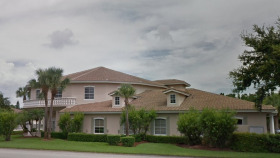
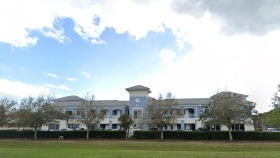
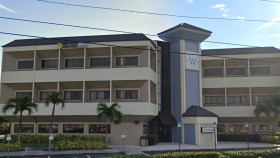
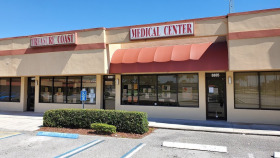
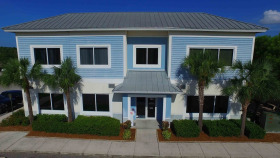
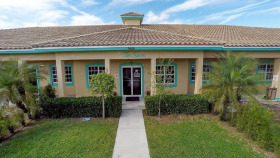
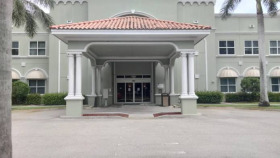
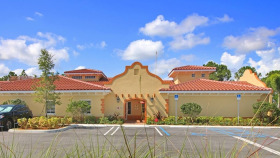
Drug and alcohol rehab in Port St. Lucie, Florida spans 22 local treatment centers offering detox, inpatient and outpatient care. Use this directory to compare them by level of care, payment and insurance options and the St. Lucie County resources that support recovery close to home.
How We Rank Listings
Our directory is built to help you compare real treatment options, not to sell one facility over another. Every listing is organized around the details that matter most when someone is choosing care. These include the levels of care offered, the payment and insurance types accepted, accreditation and licensing status and the specialty programs available for specific populations.
We prioritize centers that hold recognized accreditation, such as Joint Commission accreditation, and that clearly disclose the services they provide. Listings are grouped by location so you can start with providers in and around Port St. Lucie before widening your search.
Where a facility offers a service like medical detox, dual diagnosis care or medication-assisted treatment, we highlight it so you can match a program to your needs and budget.
Rehab in Port St. Lucie: What to Know
Port St. Lucie is the largest city in St. Lucie County and the principal city of the Port St. Lucie metropolitan area. This area also includes Martin County and reached roughly 556,000 residents in 2025. St. Lucie County itself, with Fort Pierce as its county seat, was home to about 402,000 people as of the 2025 estimate.
This directory lists 22 treatment centers serving the area, 12 of which hold Joint Commission accreditation, giving people across the Treasure Coast a realistic set of local options for drug and alcohol rehab across Florida without traveling to Miami or Orlando.
The region’s behavioral health safety net runs through New Horizons of the Treasure Coast, a nonprofit founded in 1958 and headquartered at 4500 West Midway Road in Fort Pierce. New Horizons operates crisis stabilization units, detox and outpatient services for four counties and treats residents regardless of their ability to pay.
On the hospital side, Cleveland Clinic Tradition Hospital on SW Innovation Way anchors acute medical care in Port St. Lucie, which matters when withdrawal or a co-occurring condition needs medical oversight before someone enters an addiction treatment program.
St. Lucie County has organized a formal local response to the overdose crisis. The county’s Opioid Abatement Advisory Committee reviews local data and directs opioid settlement funds toward prevention and treatment, while the Florida Department of Health in St. Lucie County leads an Opioid Prevention Program funded through a CDC Overdose Data to Action grant. The county also runs an Overdose Fatality Review to study individual deaths and close gaps in care.
Fentanyl drives most of the local risk. Of concern is that opioid overdose deaths in St. Lucie County reached 74 in 2023, the highest annual total in a decade, and county officials point to fentanyl and fentanyl-laced counterfeit pills as the main factor. Fort Pierce has historically seen the highest concentration of overdose emergencies, while Port St. Lucie has recorded a steady rise in opioid-related incidents among younger adults.




Cost of Rehab in Port St. Lucie
Florida does not publish an official price list for addiction treatment, and the Treasure Coast market tends to run at or slightly above the Southeast average because of its coastal cost of living.
The figures below are planning estimates based on commonly reported 2026 Florida costs. It is important to keep in mind that the actual price at any Port St. Lucie facility depends on the level of care, program length and whether you use insurance.
Be sure to verify your benefits before committing to a program; that way you won’t have any surprise out-of-pocket costs.
Insurance can lower each of these ranges substantially. Most in-network plans cover a large share of medically necessary detox, inpatient and outpatient care, and reviewing how to verify your rehab benefits is a practical first step before comparing facilities on price alone.



How to Pay for Rehab in Port St. Lucie
Across the 22 treatment centers in Port St. Lucie, self-payment and private insurance are the most widely accepted ways to pay, with several facilities also offering sliding-scale fees or financial assistance for people without full coverage. Public coverage is more limited locally, so it helps to know which centers accept your specific plan before you call.






Insurance and Private Pay
Private insurance is accepted at 19 of the 22 local centers, making it the most common route to coverage in Port St. Lucie. Plans sold in Florida are required to cover substance use treatment as an essential health benefit, though the amount you pay depends on your deductible, whether the facility is in network and the level of care approved. Self-payment is accepted everywhere in the directory, and many centers will discuss payment plans if you ask.
A mix of insurance providers are active in Florida, including:
- Aetna
- Ambetter
- Cigna
- Florida Blue
- Humana
- UnitedHealthcare
Medicare
Four Port St. Lucie facilities accept Medicare, which can help cover detox, inpatient and outpatient treatment for eligible older adults and people with qualifying disabilities. Coverage rules and prior authorization vary by plan, so confirm what your specific Medicare or Medicare Advantage plan approves before admission.
Medicaid
Only two centers in this directory currently accept Florida Medicaid, which the state administers through its Statewide Medicaid Managed Care program under the Agency for Health Care Administration.
Florida Medicaid does cover substance use services, including medication-assisted treatment for opioid use disorder, but because local Medicaid options are limited, community providers such as New Horizons of the Treasure Coast are often the more reliable entry point for people on Medicaid or without insurance.
Military Benefits
Six Port St. Lucie facilities accept TRICARE, the health program for active-duty service members, retirees and their families. Veterans and military families can also find condition-specific guidance through addiction and mental health resources for veterans and military members when comparing local programs.
Other Low-Cost Options
For people who are uninsured or underinsured, six centers offer sliding-scale fees and three offer financial assistance that ties the cost of care to income. Some facilities and community organizations also help applicants pursue treatment scholarships and grant-funded care, and St. Lucie County’s opioid settlement funding supports several free prevention and recovery services described further down this page.
Levels of Care Available in Port St. Lucie
Port St. Lucie’s 22 centers cover the full continuum, with strong local availability of medical detox and standard outpatient care that includes 16 offering detox, 15 offering inpatient rehab and 19 providing outpatient programs. Dual diagnosis care is also widely available for people managing both a substance use disorder and a mental health condition.


Medical detox is the supervised first step for people with physical dependence, and its wide availability locally matters given how many overdoses in the county involve opioids and fentanyl. Detox manages withdrawal safely; however, it is not treatment on its own, as most people step down into a longer program afterward.
Inpatient and residential rehab provides structured, live-in care and around-the-clock support, which suits people with severe use, an unstable home environment or prior relapses. A smaller set of local programs offers partial hospitalization, a day-treatment level that delivers intensive care while a person returns home at night.
Outpatient rehab is the most widely available level of care in Port St. Lucie and lets people keep working or caring for family while attending scheduled sessions. For those with a co-occurring condition, dual diagnosis programs treat substance use alongside mental health concerns such as co-occurring depression, which improves the odds of staying in recovery.
Three local sober living homes give people a substance-free place to live while they rebuild routines, and planning for continuing care after treatment is one of the strongest predictors of long-term stability.
Specialty Programs in Port St. Lucie
Many Port St. Lucie centers tailor treatment to specific groups, which can make care feel more relevant and easier to stay engaged with. Programs for women, men and young adults are especially well represented locally, alongside substance-specific tracks for alcohol and opioid use.






Gender-specific programs let people focus on recovery in a setting shaped around shared experiences, and with 14 young adult tracks locally, there are options built for the fentanyl-related risks that county officials say are affecting younger residents.
Sixteen centers offer dedicated care for alcohol use disorder and 13 offer treatment for opioid use disorder, the two substances that account for most local treatment demand.
Four programs describe themselves as LGBTQ+ friendly, and people looking for LGBTQ+ affirming addiction care can use that filter to narrow their search.
Free and Low-Cost Rehab Resources in Port St. Lucie
If cost or insurance is a barrier, St. Lucie County has a network of free and low-cost help, much of it funded through the county’s opioid settlement dollars and state and federal grants. The contacts below are a practical starting point, whether you need someone to talk to right now or a longer-term treatment connection.
For anyone in immediate crisis, local and national crisis and suicide prevention lines are available around the clock.
Crisis and Helplines
- 988 Suicide and Crisis Lifeline
Call or text 988
Available 24/7 for mental health and substance use crises. - 211 Palm Beach/Treasure Coast
dial 211
24/7 crisis intervention, information and referral to local services, including the New Horizons Mobile Response Team, which dispatches a licensed clinician to people in crisis. - SAMHSA National Helpline
800-662-HELP (4357)
Free, confidential, 24/7 treatment referral line.
St. Lucie County Health Department
- Florida Department of Health in St. Lucie County
https://stlucie.floridahealth.gov/
Distributes free naloxone (Narcan) and runs the county’s Opioid Prevention Program.
Naloxone is available at its Port St. Lucie clinic, 5150 NW Milner Drive, and its Fort Pierce office, 3855 S. US Highway 1. - iSaveFL naloxone locator
isavefl.com
lists additional free naloxone pickup sites across Florida.
Community Treatment Providers
- New Horizons of the Treasure Coast
https://www.nhtcinc.org/
Provides detox, crisis stabilization and outpatient substance use and mental health care to all residents regardless of ability to pay, with priority services for pregnant women and people in the child welfare system. - Southeast Florida Behavioral Health Network
sefbhn.org/providerlocator
The region’s managing entity maintains a provider locator to connect uninsured and Medicaid residents to publicly funded treatment.
Safety and Support
- SafeSpace
https://www.thehotline.org/
Certified domestic violence program and shelter serving St. Lucie, Martin and Indian River counties. - Never Use Alone
https://neverusealone.com/
a national hotline that stays on the line with people who use drugs alone and dispatches help if they become unresponsive.
Drug and Alcohol Use Statistics in Port St. Lucie
Opioids, and fentanyl in particular, drive the overdose picture in St. Lucie County. Opioid overdose deaths in the county climbed to 74 in 2023, the highest annual total between 2015 and 2024, according to the Florida Department of Health in St. Lucie County.
The most recent statewide data offers some encouragement, showing a clear decline in drug deaths in 2024, but the local numbers underscore why detox and treatment availability in Port St. Lucie still matters. The figures below put the local picture in national and statewide context.
Resources
- Florida Department of Health in St. Lucie County. (2026). Opioid Abatement. https://stlucie.floridahealth.gov/programs-and-services/wellness-programs/overcome-the-opioid-crisis/
- Centers for Disease Control and Prevention. (2022). Overdose Prevention Funding: Florida. https://www.cdc.gov/injury/budget-funding/florida.html
- Florida Department of Law Enforcement. (2025). Drugs Identified in Deceased Persons in Florida, 2024 Report. https://www.fdle.state.fl.us/
- U.S. Census Bureau. (2025). QuickFacts: St. Lucie County and Port St. Lucie, Florida. https://www.census.gov/quickfacts/
- New Horizons of the Treasure Coast and Okeechobee. (2026). About Us and Locations. https://www.nhtcinc.org/
- Southeast Florida Behavioral Health Network. (2026). Provider Locator. https://sefbhn.org/providerlocator/
- Cleveland Clinic Martin Health. (2026). Tradition Hospital, Port St. Lucie. https://my.clevelandclinic.org/florida/locations/tradition-hospital
- Substance Abuse and Mental Health Services Administration. (2026). National Helpline. https://www.samhsa.gov/find-help/national-helpline