

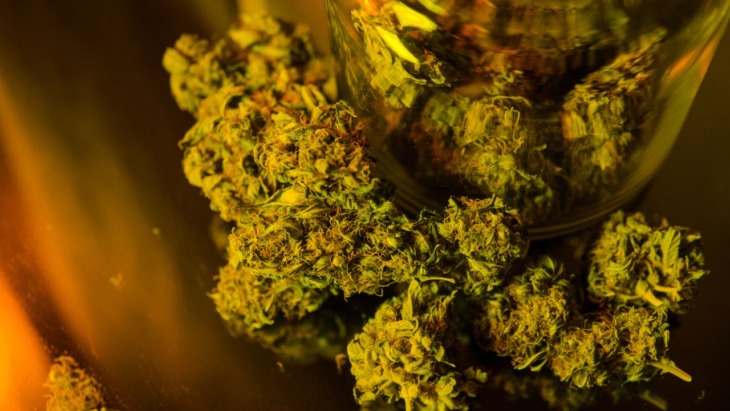
Texans who use hemp-derived THC products have a new deadline to track. Following a Texas Supreme Court ruling that sided against the hemp industry, the state’s Department of State Health Services has adopted stricter definitions of THC and natural and synthetic marijuana extract that’ll effectively ban most intoxicating hemp products statewide starting July 31, 2026.
The Lone Star State features a wide range of treatment options for folks of any background. But for Texas residents who depend on medical THC products or use THC recreationally, this is the latest turn of a winding saga that has changed direction more than once already this year. The Court’s decision raises fresh questions about what marijuana and THC dependence actually look like as access shifts.
Changing Laws in Texas
The Texas Supreme Court ruled that DSHS could adopt definitions of “tetrahydrocannabinols” and “marihuana extract” that were originally proposed in 2021. This change bans nearly every form of THC except one narrowly defined category. Those updated definitions will take effect July 31, 2026.
This follows a chaotic year for Texas hemp regulation. Earlier in 2026, DSHS banned smokable hemp products by calculating “total THC” to include THCA, a compound that converts to intoxicating Delta-9 THC when heated. That rule took effect March 31, 2026, and was quickly challenged in court by the Texas Hemp Business Council and blocked by a temporary restraining order in April before litigation continued.
The new July 31 definitions build on that earlier fight and are expected to close remaining loopholes that had allowed products like Delta-8, Delta-10, and THCP to stay on shelves.
Marijuana and THC Dependence
Marijuana use disorder is a real and diagnosable condition, even though many people assume THC products aren’t habit-forming. Regular use of high-potency THC products, including many of the hemp-derived items caught up in this regulatory fight, can lead to psychological dependence, tolerance and withdrawal symptoms like irritability, sleep disruption and appetite changes when someone stops.
Signs of a developing THC use problem can include using more than intended, unsuccessful attempts to cut back, and continuing to use despite it causing problems at work, school or in relationships.
The Impact on Texas Residents
Texans who currently rely on hemp-derived THC products, whether dabbing recreationally or to manage symptoms like anxiety or chronic pain, will need to plan for reduced access starting July 31. For some people, a sudden change in access can be the moment they notice how much they have come to rely on THC.
Those in states that have also moved to ban hemp might also benefit from an honest conversation with a doctor or addiction treatment provider about use patterns, particularly for anyone who has tried to cut back before and found it harder than expected.
The legal landscape here has shifted multiple times in a single year, and further changes are possible while litigation continues. That instability does not change the underlying reality that treatment for marijuana use disorder and withdrawal symptoms are available and effective regardless of a product’s legal status at any given moment.
Addiction Treatment in Texas & Beyond
If THC or marijuana use has become harder to control, whether because of this regulatory change or on its own, treatment options exist, including outpatient counseling, therapy focused on cannabis use disorder, and support for co-occurring anxiety or mood symptoms that sometimes accompany heavy THC use.
That’s where we come in. You can browse our directory lists verified treatment centers across Texas that can help evaluate whether outpatient counseling, an intensive outpatient program, or another level of care fits your situation.
Also, feel free to dial
800-681-1058
( Sponsored)
to connect with addiction treatment experts or to ask about local options if you’re unsure where to start.
Sponsored)
to connect with addiction treatment experts or to ask about local options if you’re unsure where to start.