








How We Rank Listings
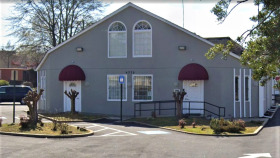
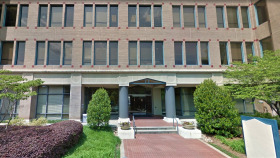
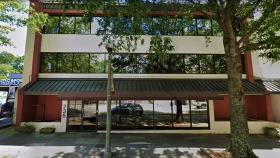
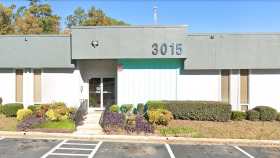
Our Decatur directory is built to help you compare real treatment options, not to sell you on any single facility. We organize listings using verifiable program details: the levels of care a provider offers, the payment types and insurance plans it accepts, its accreditations and the specialty populations it serves.
We prioritize transparency over marketing language. Facilities that clearly document their services, hold recognized accreditations such as CARF or Joint Commission and offer accessible payment pathways surface in a way that reflects what you are actually looking for. Listings are informational and do not imply endorsement of one center over another.
- Levels of care offered, from detox through aftercare
- Accepted insurance and payment options, including Medicaid and Medicare
- Accreditation and licensing status
- Specialty programs for specific populations and substances
Rehab in Decatur: What to Know
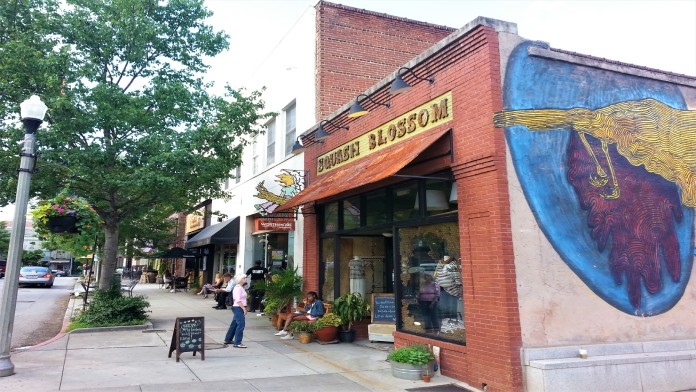
Decatur is the county seat of DeKalb County, a densely populated part of the eastern Atlanta metro area with roughly 25,000 residents inside the city limits and more than 760,000 across the county. Because the city sits at the center of DeKalb and shares ZIP codes with unincorporated areas, people searching for help in Decatur can reach a large share of the metro’s treatment capacity within a short drive. Our directory lists 24 Georgia addiction treatment providers serving the Decatur area, spanning detox, residential, outpatient and dual diagnosis care.
The anchor of the public treatment system here is Claratel Behavioral Health, formerly the DeKalb Community Service Board. Claratel operates more than 20 locations across DeKalb County and serves close to 11,000 uninsured and underinsured residents each year, with a sliding fee scale based on income and family size. Its Central DeKalb Addiction Clinic on Winn Way in Decatur provides medication-assisted treatment, including methadone and buprenorphine, alongside outpatient and residential options. For anyone weighing where to begin, this network makes it possible to enter addiction treatment regardless of insurance status.
DeKalb has also invested directly in crisis and detox infrastructure. In November 2023, county voters approved a special local option sales tax that included $15 million toward a new Mental Health Crisis Recovery Community, part of a roughly $25 million project that adds crisis stabilization and detox beds. The existing DeKalb Regional Crisis Center on Winn Way is one of only four mental health emergency receiving facilities in metro Atlanta. It offers the largest bed capacity of any crisis center in the state.
Substance use patterns in Decatur track the broader county picture, where fentanyl drives the majority of fatal overdoses. The DeKalb County Medical Examiner has reported that overdose deaths remained elevated through 2024 even as rates fell in much of the state, and that methamphetamine-related deaths rose for the first time in years. That combination shapes what local providers treat most often: opioid use disorder, stimulant use and co-occurring mental health conditions.
Cost of Rehab in Decatur
There is no single price for treatment in Decatur, because cost depends on the level of care, program length and whether you use insurance. Statewide averages give a useful starting point. Georgia ranks among the more affordable states for addiction treatment, with a blended average around $55,475 without insurance, and the figures below reflect Georgia-wide costs rather than Decatur-specific rates.
Because Decatur sits in the higher-cost-of-living Atlanta metro, private-pay rates at some local facilities may run at or above these state averages. The most reliable way to estimate your own cost is to verify your rehab benefits before enrolling, since insurance often covers a substantial share of detox, inpatient and outpatient care.




How to Pay for Rehab in Decatur
Across the 24 Decatur-area providers in our directory, payment options are broad enough that cost does not have to be a barrier to starting care. Facilities accept a mix of self-payment, private insurance, Medicaid, and Medicare and many offer sliding-scale fees or financial assistance for people without coverage.





Medicare
Eleven Decatur-area providers accept Medicare, which covers medically necessary addiction treatment for eligible adults 65 and older and for some younger people with disabilities. Coverage typically includes inpatient care, outpatient services and medication-assisted treatment. If you or a loved one is enrolled, it helps to understand how insurance covers addiction treatment so you know what to expect before intake.
Medicaid
Fifteen local providers accept Georgia Medicaid. Georgia delivers most Medicaid benefits through the Georgia Families managed care program, whose plans cover the full continuum of substance use care including detox, residential rehab, outpatient treatment and medication-assisted treatment with methadone and buprenorphine. Public providers such as Claratel Behavioral Health also serve Medicaid members and offer income-based fees for those who are uninsured.
Military Benefits
Four Decatur-area facilities accept TRICARE, the health program for active-duty service members, retirees and their families. Veterans in DeKalb County can also access care through Department of Veterans Affairs facilities in the Atlanta area. Additional rehab resources for veterans and military families cover benefits, eligibility and specialized programs.
Insurance and Private Pay
Fifteen providers accept private health insurance and 19 accept self-payment. Even with strong coverage, out-of-pocket costs vary by plan, so confirming your benefits and network status in advance prevents surprises. Major carriers active in Georgia are listed below.
- Aetna
- Anthem Blue Cross Blue Shield
- Cigna
- Humana
- Kaiser Permanente
- UnitedHealthcare
- Amerigroup
- CareSource
- Peach State
Other Low-Cost Options
Ten Decatur-area providers offer sliding-scale fees and ten offer financial assistance, adjusting the price of care to income and household size. Claratel Behavioral Health applies a sliding fee scale across its DeKalb County locations, and payment plans or financing are available at several private facilities to spread costs over time.
Levels of Care Available in Decatur
Decatur-area providers cover most levels of care, with 5 detox programs, 5 inpatient facilities, 21 outpatient clinics and 22 dual diagnosis programs among the 24 listings. The right starting point depends on the severity of the substance use, whether medical withdrawal management is needed and any co-occurring mental health conditions.





Medical detox is the safest way to manage withdrawal from alcohol, opioids or benzodiazepines, with clinical monitoring around the clock. Five Decatur-area facilities provide supervised detox, and DeKalb’s crisis and detox beds add public capacity for people without insurance.
Inpatient rehab offers structured, live-in treatment for people who need to step away from daily triggers. Five local residential treatment programs combine therapy, medical care and peer support in a single setting.
Partial hospitalization delivers intensive daytime treatment while allowing clients to return home in the evening. Two Decatur-area PHP treatment programs bridge the gap between residential and standard outpatient care.
Outpatient care is the most widely available level here, with 21 clinics offering everything from weekly counseling to more frequent sessions. Outpatient rehab and intensive outpatient programs let people continue working or caring for family while in treatment.
Dual diagnosis programs treat addiction alongside conditions such as co-occurring depression or anxiety, which is common given the local prevalence of co-occurring needs. Twenty-two providers offer integrated care for both.
Sober living homes provide substance-free housing for people transitioning out of treatment. Seven local options support the continuing care phase, when structure and accountability help protect early recovery.
Specialty Programs in Decatur
Many Decatur-area facilities tailor treatment to specific populations and substances. These programs recognize that recovery needs differ by gender, age, background and the substance involved, and they build services around those differences.







Programs for women and men make up the largest share, with gender-specific tracks that address the different social and health factors tied to substance use. Five facilities offer LGBTQ+ affirming addiction care, and four provide dedicated services for veterans and members of the military community. Young adult programming is nearly universal across the directory, reflecting demand for age-appropriate care, while a smaller set of providers focuses on older adults.
On the substance side, 18 programs treat alcohol use disorder and 10 treat opioid use disorder, the two conditions that account for most treatment admissions in the area. Opioid-focused programs frequently pair counseling with medication-assisted treatment to reduce overdose risk.
Free and Low-Cost Rehab Resources in Decatur
Cost and insurance status should not stop anyone in Decatur from getting help. DeKalb County has one of the strongest public behavioral health systems in Georgia, and several free or low-cost resources are available to residents right now. In an emergency, always call 911.
Crisis Lines
- 988 Suicide and Crisis Lifeline — call or text 988 for free, confidential support 24/7. In Georgia, these calls are answered by the Georgia Crisis and Access Line. See additional suicide prevention resources.
- Georgia Crisis and Access Line (GCAL) — 1-800-715-4225. Free, 24/7 access to crisis support and help connecting to a state-funded provider near you.
- Claratel DeKalb Regional Crisis Center — 404-294-0499, at 450 Winn Way, Decatur. Short-term stabilization for people in a mental health or substance use crisis, and one of only four emergency receiving facilities in metro Atlanta.
- SAMHSA National Helpline — 1-800-662-4357 (HELP). Free, confidential, 24/7 treatment referral and information.
County Behavioral Health
- Claratel Behavioral Health — 404-892-4646 for crisis support, appointments and referrals. A public, nonprofit provider with more than 20 DeKalb County locations, a sliding fee scale, and its Central DeKalb Addiction Clinic on Winn Way in Decatur offering methadone, buprenorphine, and outpatient care. https://claratel.org/
- DeKalb Public Health — dekalbpublichealth.com maintains a referral list of local substance use disorder treatment providers as a public resource.
Harm Reduction
- Georgia Harm Reduction Coalition — provides free naloxone, fentanyl test strips, and syringe services in the Atlanta and Stone Mountain areas, the latter within DeKalb County. Visit georgiaharmreduction.org.
- Georgia Overdose Prevention — georgiaoverdoseprevention.org offers free naloxone rescue kits and training for people at high risk of overdose and their loved ones.
Government and Medicaid
- Georgia Medicaid (Georgia Families) — medicaid.georgia.gov covers detox, residential rehab, outpatient care and medication-assisted treatment. Learn how to access free or reduced-cost rehab if you are uninsured.
- Georgia Department of Behavioral Health and Developmental Disabilities (DBHDD) — dbhdd.georgia.gov coordinates the state’s community service boards and crisis system.
Drug and Alcohol Use Statistics in Decatur
Because Decatur is the DeKalb County seat, county-level data offers the clearest picture of local substance use. DeKalb recorded 217 drug overdose deaths in 2023 and 203 in 2024, and while that slight decline mirrors a national trend, the county’s rate stayed elevated even as much of Georgia improved.
Fentanyl has been involved in roughly 65 to 70 percent of DeKalb overdose deaths in recent years. In fact, the county Medical Examiner reported that methamphetamine-related deaths increased in 2024 for the first time in years, a sign that stimulants are playing a growing role alongside opioids. For anyone in Decatur, these numbers underline why fast access to detox, medication-assisted treatment and naloxone matters. National context and trends are available through addiction and substance use statistics.
Resources
- World Population Review. (2026). Decatur, Georgia Population 2026. https://worldpopulationreview.com/us-cities/georgia/decatur
- Claratel Behavioral Health. (2025). About Claratel and Locations. https://claratel.org/locations/
- The Champion Newspaper. (2025). Claratel Behavioral Health provides services for county and region. https://thechampionnewspaper.com/claratel-behavior-health-provides-services-for-county-and-region/
- DeKalb County Medical Examiner’s Office. (2024). Annual 2024 Report. https://dekalbcountyga.gov/sites/default/files/2026-01/FINAL%202024%20DeKalb%20Annual%20Report.pdf
- 11Alive. (2025). DeKalb County overdose numbers, fentanyl-related deaths. https://www.11alive.com/article/news/local/fentanyl-related-overdoses-dekalb-county-numbers/85-6e556be3-9da6-4649-9aa7-7174f326a2d9
- Addictions.com. (2025). Alcohol and Drug Rehabs in Georgia. https://www.addictions.com/rehabs/georgia/
- Georgia Department of Behavioral Health and Developmental Disabilities. (2025). Access Services and the Georgia Crisis and Access Line. https://dbhdd.georgia.gov/access-services-0
- Georgia Overdose Prevention. (2026). Request a Naloxone Kit. https://georgiaoverdoseprevention.org/
- NEXT Distro. (2026). Georgia Harm Reduction Coalition. https://nextdistro.org/georgia
- Georgia Department of Community Health. (2026). Georgia Families Managed Care. https://www.medicaid.gov/Medicaid/downloads/georgia-mcp.pdf