


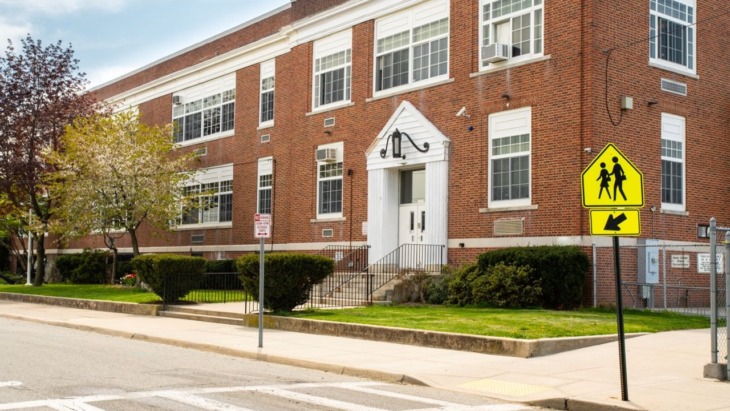
The penalty for using marijuana near a Louisiana school changed dramatically this month. To be clear, The Bayou State has a robust system in place for combatting addictions, whether related to gambling or fighting drugs wherever they’re found. But in this case, many folks haven’t yet caught up to the implications for the size of the jump.
Before August 1, possessing 14 grams or less of marijuana in Louisiana was punishable by a fine of up to $100. Under a new law, doing it inside a school zone now carries up to one year of imprisonment with potential hard labor plus a fine of up to 1,000 dollars.
Crimes that include hard labor become felonies under Louisiana law. Governor Jeff Landry’s office announced the change on Monday. In a letter to the state’s high school athletic association he stated that previous citable conduct now warranted a felony sentence.
Families considering marijuana addiction treatment in the state should know that the stakes just jumped from a ticket to a criminal record.
Defining a School Zone in Louisiana
The law is Act 305 of the 2026 Regular Session, introduced as House Bill 568 by Representative Gabe Firment of Pollock. It amends Louisiana’s drug free school zone statute.
The boundary is 2,000 feet, a little under four tenths of a mile in every direction from school property.
Penalties apply on school property itself and on school buses serving all public or private schools. This even includes colleges and stadiums.
The law also goes directly into dormitories, fraternity and sorority houses, campus tailgate parties and school venues and events.
Two details catch people off guard. THC vape pens and dabbing count, so a vape is not a workaround. And the law applies to medical marijuana regardless of a valid prescription.
The law also has consequences for students in 6-12th grades separate from anything that happens in court.
In a state where schools and campuses sit inside residential neighborhoods, a lot of Louisiana homes fall within somebody’s 2,000 feet.
Enforcement Policies
The statute applies to nicotine and vaping or otherwise using a controlled substance. It impacts folks actively doing so rather than to anyone who happens to be standing inside the zone.
Firment points to marijuana use around Louisiana State University’s Baton Rouge campus and framed the law around families and children in public spaces. He argues it’s “never OK to commit crimes in front of kids.”
Others disagree on how to protect kids. The law can target people who live around schools but never set foot on campus. Also, zones are rarely marked and penalties tend to fall hardest on low-income residents and people of color.
Nevertheless, Governor Landry asked the Louisiana High School Athletic Association to brief member schools. He specifically mentioned athletic directors and other officers most likely to encounter the new penalty first.
Marijuana Addiction
Marijuana addiction is more common than we might think. Today’s concentrates and vape cartridges have much more THC than the flower most people picture.
Withdrawal usually surprises people most. Marijuana withdrawal starts within one to three days of stopping and brings irritability, appetite changes and sometimes sweating or stomach upset. It typically eases over four weeks.
It’s not dangerous. But withdrawal is often uncomfortable enough that a lot of users end up starting up again before the first month is over.
The Impact on Louisiana Families
If you have a college student in Louisiana this fall, look at the fine print. A THC vape counts. A medical card doesn’t help. And violation is now a criminal charge that can impact financial aid, job searches and housing long after any sentence ends.
People who take medical marijuana and spend time inside a school zone should start a conversation with their prescribing clinician. Don’t just suddenly stop. Whatever the cannabis was treating doesn’t go away on its own.
And if a family member uses daily and drinks alongside a prescribed Xanax or Ativan, stopping everything at once without medical guidance is genuinely risky. Alcohol and benzodiazepine withdrawal can cause seizures.
Finding Top Options in Louisiana & Beyond
Treatment for cannabis use disorder centers on cognitive behavioral therapy and contingency management. Clinicians can treat sleep and anxiety symptoms and other conditions the cannabis was managing.
Most folks don’t need residential care for marijuana. Outpatient counseling usually works. Louisiana Medicaid covers substance use treatment for eligible residents.
Our online directory lists verified treatment centers by city and treatment type. Feel free to also dial our confidential helpline at
800-681-1058
( Sponsored)
to explore local options.
Sponsored)
to explore local options.