


Pennsylvania residents impacted by gambling addiction may soon see new protections, or a slower rollout of them. It all depends on which path state lawmakers choose after a bipartisan commission report released this week.
To be sure, The Keystone State already features a wide range of treatment for gambling compulsions and other addictions. Programs include inpatient care centers and even outreach on the jobsite. However, a rise in gambling addictions across the country have led lawmakers to consider options to expand services for at-risk Pennsylvanians.
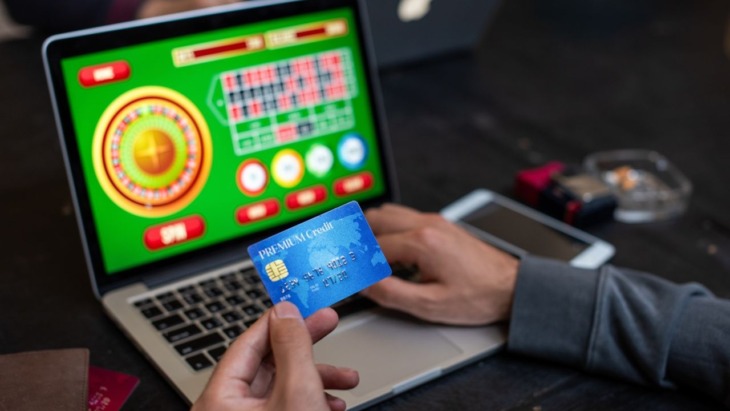
The report from Pennsylvania’s Joint State Government Commission lays out two directions for addressing what mental health experts call an urgent and escalating public health challenge. Lawmakers can move quickly to ban credit card use for online gambling, require gamblers to set betting limits in advance, and restrict advertising. Some prefer a slower, data-driven approach to better protect the state’s gambling tax revenue.
Implications for Pennsylvania Residents
Pennsylvania legalized online casinos in 2017 and now runs the largest online gambling market in the country, with $7.7 billion in total gambling profits in 2025. Pittsburgh is the fifth-largest market for gambling advertisements nationwide, and Philadelphia ranks first.
However, the ubiquity of gambling parlors has led to behavioral disorders. Pennsylvanians are estimated to be at least twice as likely to experience a gambling addiction as the country as a whole, and more than 1 in 4 residents are considered at risk of developing one.
The High Stakes of Gambling Addiction
Gambling addiction, now increasingly referred to as gambling disorder to reflect current scientific understanding, is a behavioral addiction rather than a substance-related one, but it activates similar reward pathways in the brain. Excessive gambling is associated with rising credit problems, domestic violence, harassment of college athletes due to sports betting, and in some cases suicide.
Kavita Fischer, a Pittsburgh-area psychiatrist and past president of the Pennsylvania Psychiatric Society, has spoken publicly about her own experience falling into six-figure debt after online casinos targeted her with VIP perks that kept her gambling even after she tried to stop.
Signs of a gambling addiction can include gambling with money needed for bills, lying about how much time or money is spent gambling, chasing losses with bigger bets and feeling unable to stop despite repeated attempts.
Driving the Debate
The commission reported that a small share of gamblers generates a disproportionate share of casino profits. They cite one Connecticut study showing 5% of gamblers accounted for 75% of casino profits, and a British study found similar results. That dynamic is why the report frames the state’s choice as a genuine trade-off between curbing harm quickly and preserving revenue.
Measures under consideration include banning AI-generated promotions and misleading “free money” advertising and eliminating VIP programs that offer concierge-style incentives to keep high-spending gamblers in play. Pennsylvania’s Gaming Control Board has already proposed related rules now open for public comment, including limits on advertising to minors and to folks who’ve self-excluded from casinos.
Gambling Addiction Treatment in Pennsylvania & Beyond
People who’re worried about their or a loved one’s gambling habits need not wait for legislation to get support. Other states have moved to curtail gambling, and local centers in many major cities offer counseling, support groups, and financial counseling geared toward gambling-specific debt.
That’s where we come in. Our fully searchable directory features verified treatment centers organized by location. For confidential support, feel free to call
800-681-1058
( Sponsored)
to speak with an expert and explore other options.
Sponsored)
to speak with an expert and explore other options.