


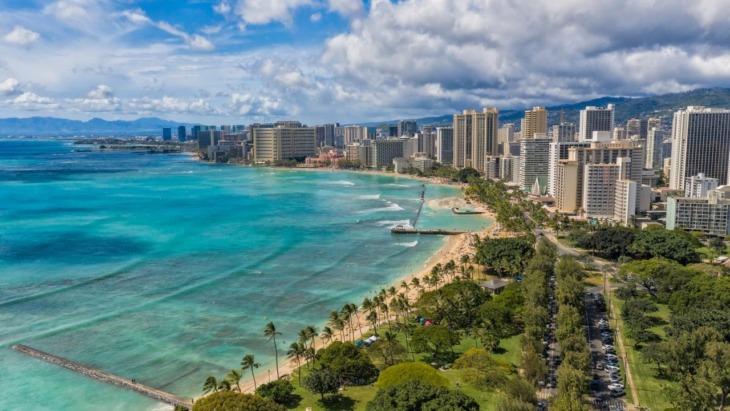
Honolulu‘s homeless crisis has a rooted feature in addiction. In 2026, 60% of unsheltered people on Oahu cited substance abuse as a factor in their homelessness, up five percentage points from 2024. On the streets of Chinatown, methamphetamine, known locally as ice, is the drug that outreach workers see most often driving erratic and dangerous behavior.
Meth addiction runs deep in Hawaii. The state was known as the nation’s meth capital in the early 2000s, a status that never went away.
“Meth is a slow-moving but continual epidemic,” notedTom Davidson, a former nurse who spent 28 years at the Hawaii State Hospital. More than half of admitted patients were unsheltered, many with meth-induced psychosis marked by paranoia and hallucinations. One danger from habitual use is extreme cardiovascular damage.
“I have seen 30-year-olds with the heart of 78-year-olds.”
People living on dangerous streets use meth to stay awake and alert and to escape trauma. The result is a cycle in which addiction deepens homelessness and vice versa.
Meth Addiction Kills the Body and Mind
Methamphetamine is a powerful stimulant that floods the brain with dopamine to produce intense euphoria, energy and alertness. Users can stay awake and stop eating for days and habitual use strains the heart and blood vessels, raising the risk of stroke and cardiac events at young ages.
Meth-induced psychosis is among the most recognizable signs of heavy use. Paranoia, hallucinations and agitation persists even after use stops. That’s why medical supervision matters during early recovery. Other signs of meth addiction include rapid weight loss, skin sores from compulsive picking, dental deterioration, and dramatic mood swings between euphoria and crash.
In Honolulu, one shirtless man evaluated by the city’s CORE outreach team carried what the emergency services director called a triple burden of drug addiction, mental health problems, and a traumatic head injury with infected wounds on his legs. He was transported for treatment. Cases like his are why multiple conditions can’t be separated on the streets.
Progress is Real but Fragile
The 2026 count delivered genuinely good news for the first time in years. On Oahu, 2,331 sheltered people outnumbered the 2,208 unsheltered, a reversal from 2024 when 62% of the homeless population lived on the street. Unsheltered homelessness dropped 20%, and Governor Josh Green credited the Kauhale Initiative made up of a network of 900 tiny-home units in 26 villages with declines of 13% statewide and 90% in Waikiki.
However, times have toughened. The Aala Respite and Urgent Care Center, a clean-and-sober medical respite with a detox program that reunited 28 patients with their families and saved $40 million in emergency costs, lost $5 million in state funding. The Institute for Human Services’ Imi Ola Piha medically assisted detox center faces shrinking state funding that threatens its future. The HONU mobile triage shelter lost $3 million.
Addiction leaders warned about the consequences. Dr. Scott Miscovich of the Aala program pointed out the state lacks adequate mental illness care. “Where do we send people with severe addiction? It’s a ghost town.”
Addiction Treatment in The Aloha State & Beyond
People throughout the country do have options despite the gap in funding and the persistent housing crisis. In Hawaii, the new MH-3 outreach program and facilities like HONU can be entry points into care, not just shelter.
Recovery from meth addiction takes time, but it starts with a door that opens. Other doors can also be opened via our browsable directory, which features centers available throughout the USA.
You can also call
800-681-1058
( Sponsored)
to speak with an expert and explore local guidance.