


Hawaii residents will lose access to disposable vapes starting January 1, 2027, under a new law aimed squarely at reducing nicotine addiction across the state.
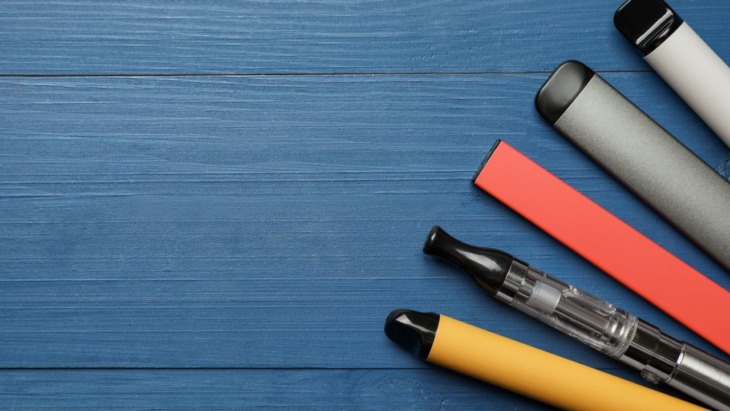
Gov. Josh Green recently signed Senate Bill 2175, which prohibits the sale of non-refillable and non-rechargeable electronic smoking devices statewide.
What Hawaii’s New Law Actually Bans
The law targets disposable vapes specifically, not vaping as a whole. Several dozen vape products will remain available for purchase in Hawaii, and the law includes a carve-out for devices approved by the Food and Drug Administration.
Rep. Scot Matayoshi, who chairs the House Committee on Consumer Protection and Commerce and championed the bill, described the goal as twofold.
“We don’t want nicotine addiction in our society, and we also don’t want electronics going into our landfills,” Matayoshi told Hawaii Public Radio. He estimated Americans throw away about five disposable vapes every second nationwide.
How Hawaii Residents Are Reacting
Reaction on the ground is mixed. Some Kaneohe residents who spoke with Hawaii Public Radio pushed back on the ban itself.
One resident named Clay said disposable vapes helped him quit cigarettes and questioned whether a full ban was necessary. “I get what they’re going for, but just, I don’t know, just raise the minimum age requirement or something,” he said.
That tension reflects a broader debate playing out nationally: disposable vapes are popular quit-smoking tools for some adults, but their flavors, low cost, and easy availability have also been linked to rising nicotine addiction among younger users.
Understanding Nicotine Addiction
Nicotine is a highly addictive stimulant found in cigarettes, chewing tobacco, and e-cigarettes. It’s one of the most addictive drugs in the world. It reaches the brain within seconds of inhalation and triggers the release of dopamine, reinforcing repeated use.
Signs of nicotine addiction include cravings, irritability or anxiety when unable to vape or smoke, and continued use despite wanting to quit.
Withdrawal symptoms can include restlessness, difficulty concentrating, and intense cravings that make quitting without support difficult.
Disposable vapes in particular have drawn scrutiny because they’re inexpensive, come in flavors that appeal to younger users, and don’t require the maintenance of refillable devices, all of which can make nicotine dependence easier to develop and harder to notice.
Quitting nicotine, whether from cigarettes or vapes, is often harder than people expect precisely because the addiction develops so quickly.
Someone who has vaped daily for even a few months can experience real withdrawal symptoms within hours of their last use, which is part of why public health officials tend to favor policies that limit access rather than relying on willpower alone.
Finding Addiction Treatment in Hawaii
For residents currently struggling with nicotine dependence, Hawaii’s ban doesn’t have to be the only push to quit.
Nicotine replacement therapy, counseling, and quitlines can all support someone trying to stop vaping or smoking, whether or not they’re ready to give up disposable devices before the law takes effect.
Addictions.com lists addiction treatment centers across Hawaii and nationwide. Call
800-681-1058
( Sponsored)
to receive support with quitting nicotine or another substance.
Sponsored)
to receive support with quitting nicotine or another substance.