



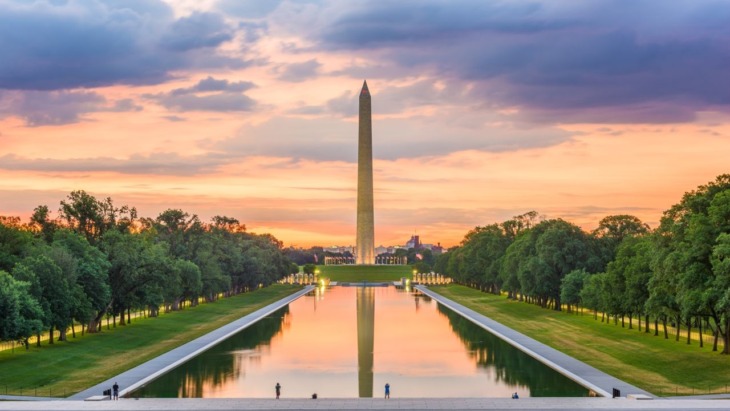
Hundreds of people who’ve lost someone to fentanyl are in the capital. They’re bringing photos, letters and empty shoes. Families from 40 states are expected in Washington D.C. on September 25 and 26. The nonprofit United Against Fentanyl organized the program to combine advocacy, education and remembrance.
Fentanyl is a synthetic opioid 50x deadlier than heroin and causes most opioid overdose deaths. It appears in counterfeit pills and looks just like prescription medication. Folks might take it and die without knowing.
Signs of fentanyl addiction in a loved one include escalating use, withdrawal symptoms when stopping, secrecy and continued drug use even as they slowly go downhill.
Out in D.C.
The weekend includes three events. Hill Day brings families’ letters to congressional offices. The Walk for Lives DC is the capstone. Walkers carry the names, photographs and stories of loved ones lost to fentanyl and other synthetic drugs. The Summit on Synthetic Drugs looks at the evolving drug supply and the prevention and policy responses needed to address it.
The center piece is The Shoes They Left Behind to let communities around the country collect shoes and present memorial shoes alongside remembrance stories.
Local Funding Backdrop in D.C.
The events land as the District manages significant opioid-settlement resources. As with other cities, D.C. expects to receive more than $80 million over the next 18 years from opioid settlements. The money will go to assessments, prevention, recovery and harm-reduction programs, infrastructure and public data systems.
The enforcement picture behind the grief remains stark. A six-week DEA surge that ran from June 1 through July 11 seized more than 4 million counterfeit fentanyl pills and 1,158 kilograms of fentanyl powder.
At the same time, national trend lines offer some hope. CDC data show 68,641 drug overdose deaths in 2025-2026, a 12.1% drop.
Families Can Find Help
Grief activism and treatment access are two sides of the same response. For families worried about a loved one right now, the practical steps are direct: learn the signs of addiction, keep naloxone accessible and compare options.
Don’t wait for a crisis to hit. Addiction treatment centers can assess needs and medication-based treatment reduces overdose risk quickly. Our searchable directory features verified treatment centers all across the nation.
Speak with an expert today by calling
800-681-1058
( Sponsored)
.
Sponsored)
.