

New Mexico drug overdose deaths climbed 28% between March 2025 and March 2026. The state now ranks first in the country for overdose deaths, according to Centers for Disease Control and Prevention data cited by the University of New Mexico Health Sciences Center.
Behind that number is a change in what the drug supply physically looks like, and it is catching people who did not know what they were taking.
The New Mexico Department of Health issued a statewide advisory about deaths from accidental exposure to powdered fentanyl.
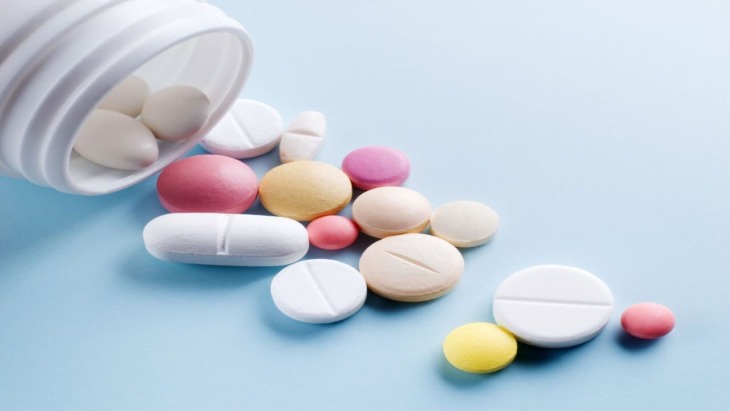
Fentanyl arrived in the state more than a decade ago mostly as counterfeit pills. The powder form is newer and state health officials said it closely resembles other powdered substances including methamphetamine and cocaine.
What Is Driving New Mexico Drug Overdose Deaths
Dr. Brandon Warrick, associate medical director of the New Mexico Poison and Drug Information Center at the UNM College of Pharmacy, said the shift from pills to powder makes fentanyl nearly impossible to tell apart from other substances by sight alone, or without testing.
That matters because someone buying what they believe is cocaine or methamphetamine has no visual way to know otherwise, and it is a large part of why New Mexico drug overdose deaths climbed.
Warrick said he sees several patients a week at UNM Hospital who survive an overdose and are then surprised to learn fentanyl caused it, or that they had taken fentanyl at all.
Warrick also addressed a persistent misconception. Fentanyl has to be swallowed or inhaled to cause an overdose, and he said casual skin contact is extremely unlikely to make anyone ill.
If someone does touch it, he recommends washing with soap and water rather than hand sanitizer, which does not work on fentanyl the way it works on bacteria and viruses.
Warrick co-authored the American College of Medical Toxicology and American Academy of Clinical Toxicology guidance covering first responders who encounter fentanyl on the job.
Understanding Fentanyl and Signs of Addiction
Fentanyl is a synthetic opioid many times stronger than morphine, which is why a dose small enough to be invisible in a mix can be fatal.
It is used medically for severe pain, and it is also produced illicitly and pressed into counterfeit pills or sold as powder.
Signs of fentanyl addiction and opioid use disorder can include using more than intended or for longer than planned, withdrawal symptoms between doses such as nausea, sweating, muscle aches and agitation, growing tolerance, and continued use despite clear harm to health, work or relationships.
Because illicit fentanyl potency varies so much between batches, tolerance offers far less protection than people assume.
Overdose signs include slowed or stopped breathing, blue or gray lips and fingertips, pinpoint pupils, and unresponsiveness. Naloxone reverses opioid overdose and works whether or not the person meant to take an opioid.
Reducing Risk Across the State
Warrick’s guidance for anyone using drugs, or anyone with a loved one who does, was direct. “Have naloxone available, even if you’re not intending to use an opioid,” he said, adding that people should avoid using alone and have someone present who can intervene or call for help.
Fentanyl test strips and naloxone are available through the New Mexico Department of Health.
The New Mexico Poison and Drug Information Center is free, confidential and staffed around the clock for the public, emergency responders and health care professionals.
Pharmacists with toxicology training staff it, physician addiction specialists support it, and it mails naloxone. The number is 1-800-222-1222. For an emergency, call 911.
Finding Addiction Treatment in New Mexico
Several New Mexico programs connect people to substance use treatment. The UNM ASAP Clinic in Albuquerque takes walk-ins and, according to Warrick, treats complex mental health conditions and addiction at the same time rather than in sequence.
The New Mexico Bridge Project, a state-funded initiative led by UNM and Presbyterian Health System, helps hospital emergency departments across the state set up Medication for Opioid Use Disorder programs, with a focus on closing rural treatment gaps.
Keep NM Alive is a state and federal partner campaign covering treatment, prevention and harm reduction. The NMDOH hotline at 1-833-796-8773 connects callers with a nurse.
On approaching someone who is struggling, Warrick said patience and compassion produce longer-lasting results than pressure, and that a person generally has to want the change themselves.
He noted that admitting a drug or alcohol problem is hard in part because society still treats addiction as a moral failure rather than a health condition.
Addictions.com lists verified addiction treatment centers in New Mexico by city and level of care, including programs offering medication for opioid use disorder. Call
800-681-1058
( Sponsored)
to get in contact with a treatment specialist today.
Sponsored)
to get in contact with a treatment specialist today.