



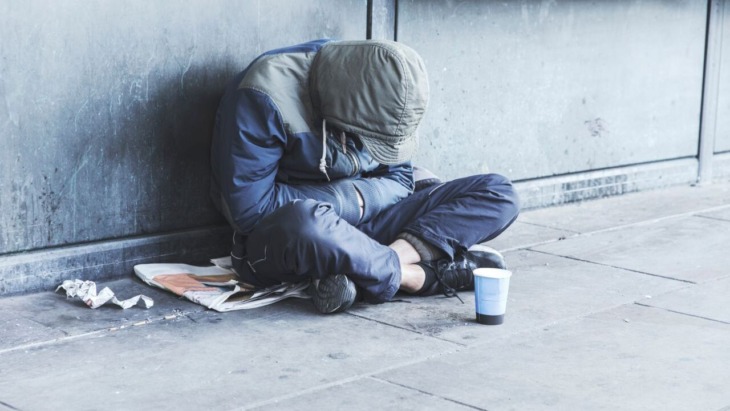
New York City‘s 2026 annual report on deaths among people experiencing homelessness shows encouraging movement in the headline numbers and a stubborn problem underneath them. The city recorded 634 deaths in fiscal year 2025, which ran from July 2024-June 2025.
That’s good news for New York state, which offers many programs for addictions. For The Big Apple, it’s a drop of 18% from the 770 deaths reported the year before. But drug-related deaths remained the leading cause, accounting for 251 deaths, or 40% of the total.
The Numbers in The Knickerbocker State
Deaths among sheltered residents fell 20%, and deaths among unsheltered residents fell 15%. About 80% were men and half were between 45 and 64 years old. Hospital deaths accounted for 58% of the total, while 86 people died outdoors.
On causes of death, the improvement was real but limited. Drug-related deaths from addictions fell from 348 to 251. Accidental drug overdose deaths specifically dropped from 336 to 235. Heart disease remained the second leading cause followed by accidents excluding overdose, alcohol misuse and dependence and cancer.
The city credited, in part, its expanded Opioid Overdose Prevention Program and naloxone administration training, along with a Harm Reduction Strategic Plan and a Complex Care program for clients with high needs. Grassroots advocates and community groups also played a large role. A separate group of 87 deaths was reported by the city’s HIV/AIDS services.
New York Families Take Heart
Behind every one of the 251 drug-related deaths is a person whose family tried desperately to get them into care or medication for opioid use disorder. New Yorkers know that homelessness and addiction compound each other. Substance use can cost someone their housing, and living without stable housing makes every part of treatment harder.
Relatives of someone who’s unstably housed and using drugs should know the overdose warning signs, including pinpoint pupils, slow or shallow breathing and unconsciousness.
Keep naloxone on hand. New York City runs one of the largest naloxone distribution programs in the country, and free kits are available through city health programs.
Addiction Warnings
Drug addiction is a condition in which continued use continues despite harm to health, work or relationships. Signs of addiction include using more than intended, failed attempts to cut back, withdrawal symptoms when stopping and giving up activities that used to matter. Among the homeless, these signs are often entangled with mental health conditions and trauma. That’s why single-focus interventions tend to fall short.
The city’s Complex Care program provides coordinated services for clients with the most intertwined medical and behavioral needs. People with addiction plus housing instability, mental illness or chronic disease do better when all of it is treated as one problem rather than three separate referrals.
Getting Help in The Big Apple & Beyond
New York has one of the largest treatment networks in the country and cost doesn’t have to be the barrier. Medicaid covers addiction treatment in the state, and the city operates low-threshold programs designed for people who are not ready for abstinence-based care.
Take the first step today. You can browse our directory to locate addiction treatment centers in New York or any of the other 49 states.
Call
800-681-1058
( Sponsored)
for local addiction treatment options anywhere in the country alongside an expert.
Sponsored)
for local addiction treatment options anywhere in the country alongside an expert.