Heroin acts quickly, and much of what’s sold as heroin today also contains fentanyl. This makes it difficult to know how strong a dose is or how much fentanyl it contains. This guide covers what heroin does to the body and brain, the physical and behavioral signs of use, the warning signs of an overdose, how naloxone can keep someone alive and the medications that treat heroin addiction.
Key Points About Heroin Addiction
- Heroin is an opioid made from morphine, sold as white or brown powder or as a dark, sticky tar.
- Pinpoint pupils, nodding off and slowed breathing are physical signs; burnt foil or small bags of powder are common finds.
- Most heroin sold in the U.S. now contains fentanyl, and xylazine is sometimes added, which raises overdose risk.
- Give naloxone at the first sign of an overdose and call 911; it is sold without a prescription.
- Methadone and buprenorphine lower the risk of death after an overdose and can start without detox.
- Withdrawal begins about 12 hours after the last dose, and tolerance falls fast, so overdose risk is highest afterward.
What Is Heroin Addiction?
Heroin addiction is a form of opioid use disorder. It can take hold when someone continues using heroin despite the harm it causes to their health, relationships or daily life. Heroin reaches the brain quickly and attaches to opioid receptors, producing an intense rush followed by hours of drowsiness and slowed breathing. With repeated use, the body builds tolerance, meaning the same dose no longer has the same effect. Physical dependence can also develop, making withdrawal symptoms likely when someone stops or cuts back.
Clinicians use the same 11 criteria to diagnose opioid use disorder whether someone uses heroin or prescription painkillers.
What is heroin, and what does it look like?
Heroin is an illegal opioid made from morphine, a substance found in the opium poppy. The Drug Enforcement Administration (DEA) classifies it as a Schedule I, meaning the agency considers it to have no accepted medical use. People use heroin in several ways, including injecting, sniffing, snorting or smoking it.
| Form | What it looks like | How it’s used |
|---|---|---|
| White powder | A fine white powder, sometimes off-white | Snorted, smoked or dissolved to inject |
| Brown powder | A tan or brown powder | Snorted, smoked or dissolved to inject |
| Black tar heroin | Sticky, or hard and black | Smoked or dissolved to inject |
Those who inject black tar heroin also face the risk of wound botulism. Heroin goes by several street names, including chiva, H, horse, junk, smack, Big H and black tar.
581,000
People 12 and older who used heroin, 2025 (SAMHSA NSDUH, 2026)
2,743
U.S. heroin overdose deaths, 2024 (CDC, 2026), down from 3,984 in 2023
How Heroin Affects the Body and Brain
Heroin acts quickly. Its effects begin within minutes and typically fade within a few hours. People usually describe a rush of pleasure first, and what heroin feels like after that varies, though drowsiness, slower breathing and clouded thinking are common.
The short-term effects are mostly physical, among them:
- A rush of pleasure, then hours of drowsiness
- Breathing that slows down
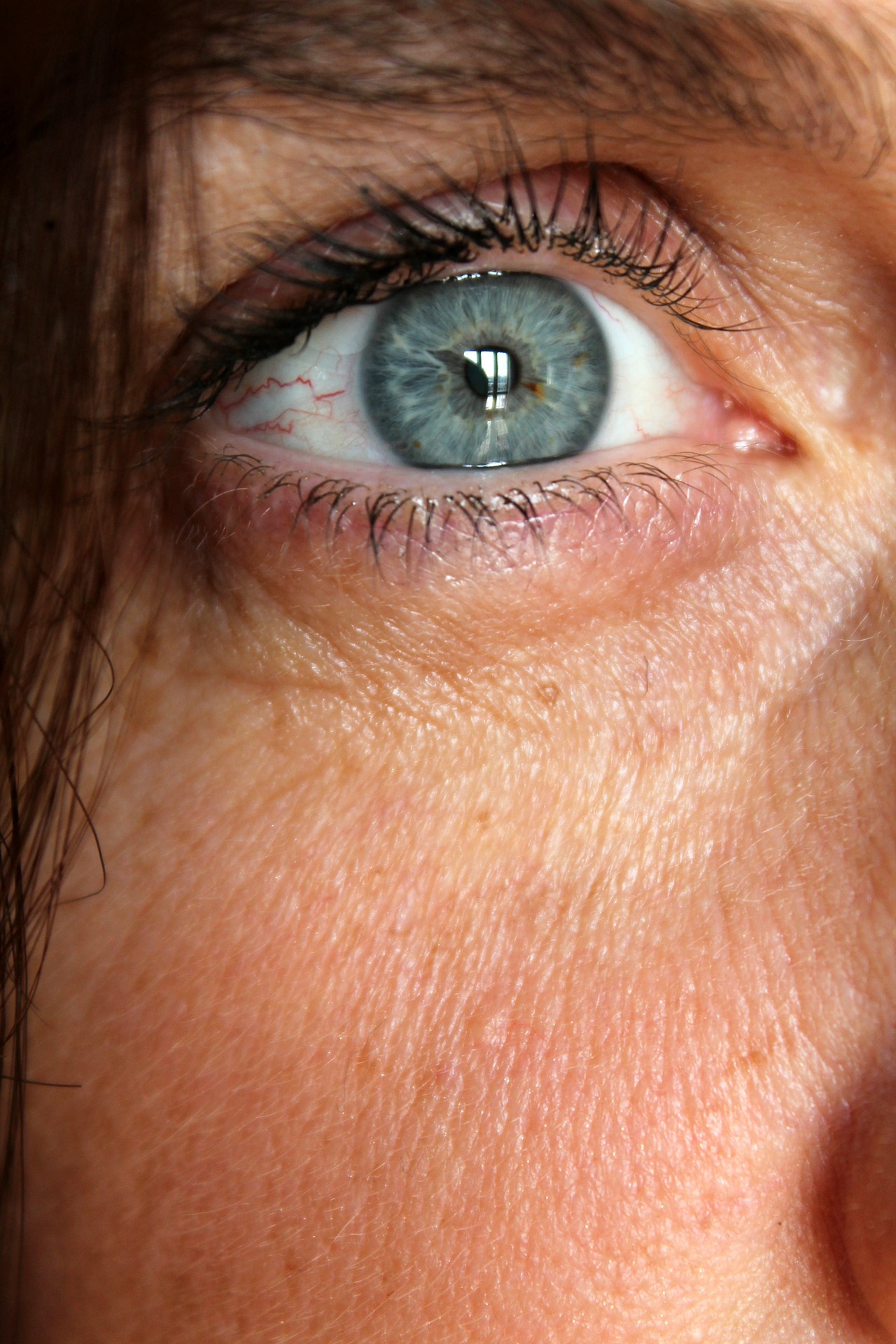
- Pupils narrowed to pinpoint size
- Nausea and vomiting
- Itching and flushed skin
- Heavy arms and legs, and clouded thinking
The biggest changes take place in the brain. Because heroin binds to opioid receptors throughout the brain and spinal cord, the relief and pleasure a person feels start there. With repeated use, the brain’s reward system becomes less responsive, while its stress system becomes more active. These changes can fuel cravings and make it much harder to stop using heroin. Over time, the brain adapts in ways that go beyond the initial high.
That adaptation, not the high, is most of how heroin affects the brain once use becomes regular.
Signs of Heroin Use and Addiction
Heroin use often produces noticeable physical changes. Someone may have pinpoint pupils, drift in and out of sleep and become unusually drowsy. Breathing may also slow, which can be a warning sign of an opioid overdose.
If someone is difficult to wake or has slow or shallow breathing, give naloxone if available and call 911.
Physical signs
These include small pupils, slowed breathing and drowsiness, abscesses and flu-like withdrawal between doses.
- Pinpoint pupils
- Drifting off, then alert
- Slow or shallow breathing
- Slurred speech or confusion
- Injection marks, bruising, abscesses or other skin infections, and long sleeves in warm weather
- Itching or scratching
- Between doses, flu-like withdrawal: sweating, yawning, runny nose, diarrhea
Behavioral signs
Behavior often shifts first.
- Pulling away from family and long-time friends
- Falling behind at work or school
- Money trouble with no explanation, missing cash or valuables
- Secrecy about where time is spent
- Losing interest in hobbies and activities
- Using anyway despite health, legal or relationship problems
Opioid use disorder also involves continuing to use despite the harm it causes and giving up important activities because of drug use.
What you might find
- Burn-marked spoons or caps, cotton, syringes, belts or shoelaces as a tie
- Small bags or folded paper holding powder residue
- Foil with scorch marks, lighters, cut straws or hollowed pens
Clinicians also weigh the 11 opioid use disorder criteria.
Long-Term Risks of Heroin Use
The physical effects of heroin use can build over time, gradually taking a toll on the body. Heroin use can impact the liver, kidneys and lungs. It can also bring on or worsen mental health conditions and lead to infections that begin at an injection site. Learn more about the physical side effects of heroin.
Liver, kidney and lung disease
Mental health conditions
Collapsed veins and abscesses
HIV and hepatitis
Skin, bloodstream and heart infections
Wound botulism
Overdose
Overdose is one of the most immediate dangers of heroin use, especially as fentanyl and other potent substances have increasingly shown up in the drug supply.
Heroin, Fentanyl and Xylazine
Most of the heroin available in the United States now carries illegally made fentanyl, a synthetic opioid that can be as much as 50 times more potent than heroin and 100 times more potent than morphine. Many people have no way of knowing whether the drugs they buy contain it. Some supplies also carry xylazine, an animal sedative that people sometimes call “tranq.”
Xylazine is not an opioid, so naloxone will not reverse the sedation it causes. Even so, give naloxone whenever an overdose is suspected, because xylazine is usually mixed with opioids. Xylazine is also tied to wounds that can become infected and turn dangerous when they go untreated.
Fentanyl test strips can indicate whether a drug contains fentanyl, though they may miss stronger substances such as carfentanil.
Heroin Overdose: Signs and What to Do
A heroin overdose slows a person’s breathing and can even stop it.
Signs of a heroin overdose include pinpoint pupils, inability to wake, slow or shallow breathing, a limp body, discolored lips or nails, choking or gurgling sounds. In an overdose situation, give naloxone and call 911.
The order:
- Give naloxone if you have it on hand, and call 911.
- If you can, keep the person awake and breathing.
- Turn them onto their side so they are less likely to choke.
- Stay with the person until emergency help arrives.
- If they still aren’t breathing normally 2 to 3 minutes after that dose, give another.
Naloxone will not hurt a person who is not overdosing on an opioid. Pharmacies sell it without a prescription. Every state and Washington, D.C., has an overdose Good Samaritan law that may offer legal protection to people who call 911 for help during an overdose.
Heroin Withdrawal
The timing of heroin withdrawal is fairly predictable, with symptoms beginning about 12 hours after the last dose. The worst stretch runs 1 to 3 days, and typically eases within 7 to 10 days. Withdrawal is the body adjusting after regular use stops. It has been described as a severe flu that will not let up for days. On its own, it is rarely life-threatening, though dehydration from vomiting and diarrhea needs medical care.
The symptoms usually arrive in a recognizable pattern:
- Anxiety, agitation and trouble sleeping
- Muscle aches
- Runny nose, watery eyes and yawning
- Sweating, chills and goosebumps
- Stomach cramps, diarrhea, nausea and vomiting
- Pinpoint (constricted) pupils
The danger doesn’t end when withdrawal symptoms ease. Tolerance drops quickly after someone stops using heroin, making a return to their previous dose much more dangerous. This is especially concerning when heroin contains fentanyl, which can greatly increase the risk of a fatal overdose.
The hours and days follow a fairly predictable opioid withdrawal timeline, and medical detox adds supervision through the roughest stretch for anyone who needs it.
Heroin Addiction Treatment Options
Heroin addiction is treated with one of the FDA-approved medications for opioid use disorder, usually alongside counseling and support. Methadone and buprenorphine lower the risk of death after an overdose, and either can begin without detox coming first. Settings range from an opioid treatment program and a doctor’s office to telehealth and residential care.
| Methadone | Buprenorphine | Naltrexone (extended-release) | |
|---|---|---|---|
| How it works | A full opioid agonist that keeps withdrawal and cravings away | A partial opioid agonist that softens withdrawal and cravings, though its opioid effects only go so far | Blocks the effects of opioids |
| Where you get it | Only at a certified opioid treatment program | Doctor’s office, telehealth or opioid treatment program | Any licensed prescriber; monthly injection (Vivitrol) |
| When you can start | Any time, at a low dose | Usually after withdrawal starts, or by beginning with a low dose | Once a person has been off opioids, typically for 7 to 10 days or more |
Many people manage treatment through outpatient medication and counseling, while others benefit from the added structure and support of inpatient rehab. Some begin medical detox before moving into ongoing treatment. Detox helps the body adjust to being without heroin, but it’s only the first step in recovery.
Most insurance plans and Medicaid cover opioid use disorder treatment. Medicaid also covers all FDA-approved medications for opioid use disorder, though coverage details can vary. Check your rehab payment options before you start treatment.
How to Help Someone Who Uses Heroin
Begin with what keeps a person alive tonight. Keep naloxone, the medicine that reverses an opioid overdose, where anyone in the household can reach it and learn the overdose signs above. Then, in a calm moment when the person is sober, say what you have noticed without blame, and name one step you can take together. This could be a doctor’s appointment, or calling the Substance Abuse and Mental Health Services Administration (SAMHSA) National Helpline at 1-800-662-4357, which is free, confidential and open 24/7.
Related articleResources Available for Families of People With AddictionYou can help a loved one with addiction even while they refuse help. There are resources to support you both, and knowing where to look is the first step.
Six steps cover most of it:
- Carry naloxone and know the overdose steps above.
- Say what you have seen while the person is sober.
- Keep the language respectful and person-first, and skip ultimatums.
- Point to one route forward: a doctor’s appointment, FindTreatment.gov, or the SAMHSA National Helpline.
- Look after yourself too; family support groups can help you during this time.
- If someone is in crisis, call or text 988; call 911 for a medical emergency.
Keep in mind that nobody can force another person to accept help. Staying steady and keeping the door open can make saying yes easier, and helping a loved one with addiction covers more of it.
Frequently Asked Questions About Heroin Addiction
Is heroin an opioid?
Yes. Heroin is an opioid. It starts as morphine drawn from the opium poppy. It binds to the same opioid receptors in the brain that prescription painkillers and fentanyl reach, which is why the medications for opioid use disorder are helpful.
What does heroin look like?
It is usually a white or brown powder, or a dark, sticky substance called black tar heroin. Appearance is a poor guide to what the drug holds as most of the heroin sold in the United States now includes fentanyl.
What is black tar heroin?
Black tar heroin is the sticky, or hard and dark, form of the drug. It can be smoked, or dissolved and injected. Injecting this form of the drug can lead to wound botulism, a rare but serious infection.
Can you smoke heroin?
Yes. Smoking is one of the ways people use heroin, alongside injecting, snorting and sniffing.
Is heroin a depressant or a stimulant?
Heroin is an opioid rather than a stimulant. It slows the central nervous system the way other depressants do. Breathing slows with it, and that slowdown is what makes an overdose so dangerous.
How addictive is heroin?
Heroin is a very addictive drug. Regular use builds tolerance quickly and brings physical dependence, but opioid use disorder can be treated, and the medications for opioid use disorder reduce the chance of dying from an overdose.
How long does heroin stay in your system?
There is no single figure: detection depends on the test used and on how often someone uses. Heroin detection times therefore vary from one person to the next.
What is “gas station heroin”?
“Gas station heroin” is a nickname for tianeptine, which some gas stations and smoke shops sell. It is not heroin, and the Food and Drug Administration (FDA) has not approved it for medical use in the United States. The CDC has also linked tianeptine to serious harm.
Featured Rehab Centers
Finding facilities near you…

Medical reviewer
Ariella Belote, BSN, RN
Ariella Belote, BSN, RN, has experience working as a nurse in outpatient alcohol and drug addiction treatment, where she worked with clients experiencing various dependencies. She also works to connect clients with local resources designed to support recovery on a daily basis. In addition, she…
Read bioFind treatment that takes your insurance
Search insurance by your plan, location and level of care.
Check insuranceBrowse treatment centers
Search independently reviewed drug & alcohol rehab and detox centers in all 50 states.
Find a rehab center