


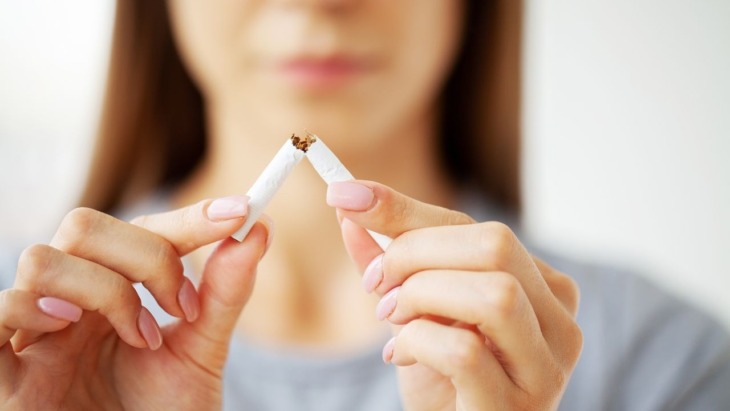
Nicotine addiction in New York concentrates among the age group filling dorm rooms and lecture halls. Adults between 18 and 24 have the highest rate of e-cigarette use in The Knickerbocker State. As the fall semester gets underway, the New York State Quitline reminds young adults that quitting vaping and other nicotine products is available at no cost.
Nicotine Addiction in New York Peaks at College Age
College is a significant transition period. Social environments change, independence increases and brain development continues into a person’s mid-twenties.
That combo can strengthen drug use from casual recreation to a full-blown addiction. It’s not a character issue. Addiction gets a foothold during a stretch of life built for experimenting.
Nicotine Addiction
Nicotine is the addictive compound in cigarettes, chewing tobacco and e-cigs. It reaches the brain within seconds of inhalation and triggers a dopamine release to make folks take more. Many disposable vapes have more nicotine than that of regular cigarettes. The flavored, low-irritation delivery makes heavy use easier without noticing.
Common signs of nicotine addiction include using more or more often than intended, feeling irritable, anxious, or unable to concentrate when you have not vaped for a few hours, vaping first thing in the morning, keeping a device within reach at all times and failing to cut back.
Withdrawal typically peaks in the first few days and eases over two to four weeks, though cravings triggered by specific places or routines can persist longer.
The New York State Quitline
The Quitline provides confidential help at no cost. Services include cessation coaching, nicotine replacement medications and a text-based program called DropTheVape.
DropTheVape runs six weeks and gives participants techniques and support aimed specifically at quitting vaping. According to the Quitline, people in their twenties make up the largest group enrolled in the program.
Adults 18 and older may also be eligible to receive nicotine replacement medications at no cost. Nicotine replacement therapy delivers a controlled dose of nicotine through patches, gum or lozenges without the other constituents of tobacco or vapor to reduce withdrawal while the behavioral habit unwinds.
Colleges in Action
The Quitline hosted a two-part webinar on vaping on college campuses. Presenters covered nicotine addiction among younger adults, therapy and other strategies for helping students quit and the challenges schools face in establishing and enforcing tobacco-free and vape-free policies.
The Quitline also encourages New York colleges to give students information about cessation services and offers promotional and educational materials to campuses at no charge.
Most students who want to quit don’t know their state runs a coaching line. A poster in a residence hall can make the difference.
New Yorkers who want help quitting vaping or tobacco can call the New York State Quitline at 1-866-NY-QUITS. Help is also available through the Quitline’s website at nysmokefree.com.
Treatment in New York & Beyond
Nicotine is often not the only substance in play. Younger students using alcohol or other drugs like THC alongside vaping or managing anxiety or depression at the same time may be better served by a program that can address more than one thing.
Students and their loved ones can look for providers who treat co-occurring conditions and who work with the age group. Many campuses have counseling centers that can make a referral. Student health insurance frequently covers outpatient behavioral health.
Our browsable directory lets you search addiction treatment centers by New York city and throughout the entire USA. filter by level of care and insurance accepted and compare programs before you call.
Feel free to also dial
800-681-1058
( Sponsored)
to speak with an expert and look at local options.
Sponsored)
to speak with an expert and look at local options.