



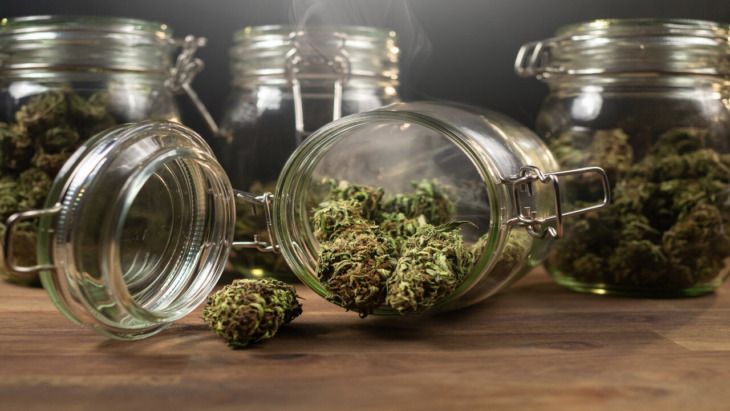
Massachusetts voters may decide the future of legal marijuana in November, and the debate is a reminder that legal does not mean risk-free.
For anyone weighing addiction treatment in Massachusetts, it is a good moment to understand how cannabis use can become a problem and where to find help in the state.
What the Court Ruling Means for Massachusetts
The state’s highest court cleared the way for a ballot measure that would repeal Massachusetts’ adult-use cannabis laws.
According to Cannabis Business Times, the Supreme Judicial Court ruled on June 12 that Attorney General Joy Campbell properly certified the petition, which aims to roll back the recreational marijuana market that voters approved by a 54% majority in 2016.
The group behind the measure, the Coalition for a Healthy Massachusetts, has filed 74,574 valid signatures and must submit about 12,429 more to qualify for the November 2026 ballot.
The petition would not repeal the state’s medical cannabis program, and it would not recriminalize adults 21 and older for possessing up to an ounce.
Where Voters Stand
Public opinion is not on the repeal side. A February 2026 Bay State Poll from the University of New Hampshire Survey Center found that 63% of Massachusetts voters oppose repealing the adult-use program, while only 20% supported the petition.
Understanding Marijuana Addiction
Whatever happens at the ballot box, cannabis is not automatically harmless. Regular use can develop into a condition that clinicians call cannabis use disorder.
It is more likely with frequent use, high-potency products, and use that begins in the teen years.
Common signs of marijuana addiction include using more or longer than intended, failed attempts to cut back, strong cravings, and continuing to use despite problems at work, school or home.
Some people also notice tolerance, needing more to feel the same effect, along with withdrawal symptoms like irritability, trouble sleeping, and loss of appetite when they stop.
Finding Addiction Treatment in Massachusetts
Cannabis use disorder is treatable. Care often centers on counseling approaches like cognitive behavioral therapy and motivational support, plus treatment for any co-occurring anxiety or depression. Programs range from outpatient counseling to more structured options.
If you are looking for help, search addiction treatment centers in Massachusetts, compare programs by location and insurance, and ask whether a center treats cannabis use and co-occurring mental health conditions.
Addictions.com lists a variety of verified treatment centers in Massachusetts and nationwide. Call
800-681-1058
( Sponsored)
for local options.
Sponsored)
for local options.