


About Bridge House
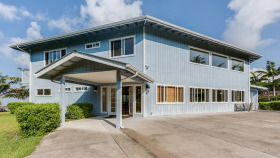
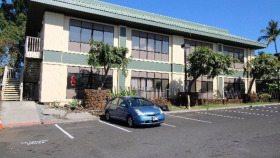
Bridge House in Kailua Kona, Hawaiʻi, is a nonprofit drug and alcohol recovery provider serving adult men and women on the Big Island.
The organization offers a continuum that includes transitional sober living, outpatient substance use treatment and a required vocational skills building program.
Its mission centers on building trust, respect and responsibility through a culturally grounded, ʻohana style approach that bridges substance dependence to healthy independence.
Why People Choose Bridge House
Bridge House provides a continuum of care that includes 6 month transitional sober living, outpatient treatment and recovery services and vocational skills building under one nonprofit umbrella.
The program serves adult men and women aged 18 years and older in early recovery from drug and alcohol addiction. Outpatient services include substance abuse assessments, individual counseling, psychoeducation, peer support, care coordination and community referrals.
Recovery approaches include 12 step participation, SMART Recovery exposure, mandatory AA or NA meetings for housing residents, acupuncture and health and wellness planning.
Culturally Integrated Program
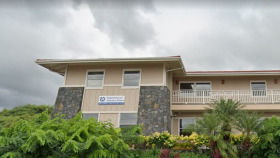
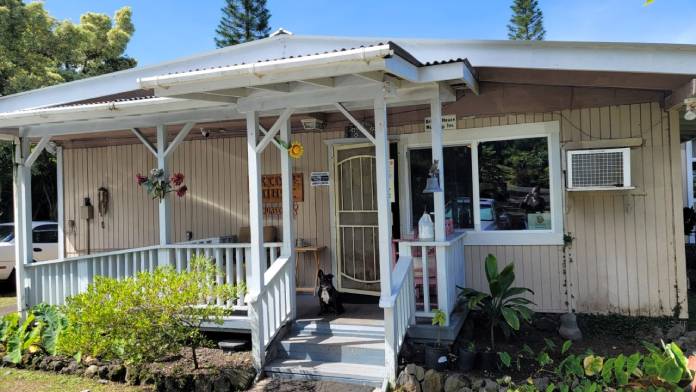
Programming at Bridge House in Kailua Kona integrates Native Hawaiian values, including Pilina, Aloha ʻĀina, Lōkahi, Maluhia and Pono. The program operates on a peaceful 7 acre rural property in Keauhou Mauka with dorm style cabins, shared meeting spaces and garden.
The program uses land based healing through stewardship. A strong vocational focus includes required job readiness training, résumé and interview preparation and support for employment or education by discharge.
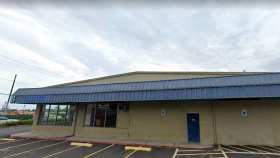
Sober living is located in Keauhou Mauka about 15 minutes from Kailua Kona, with an outpatient office in Kealakekua off the main highway.
Program costs include a $290 monthly fee plus a $100 admission fee, with funding support from the Hawaiʻi Department of Health, County of Hawaiʻi and community partners.
Begin Your Recovery Journey
Getting started with Bridge House typically begins by contacting the outpatient office to schedule a substance use assessment. Staff can help match individuals to sober living, outpatient services, or vocational programming and review program fees and funding options.