



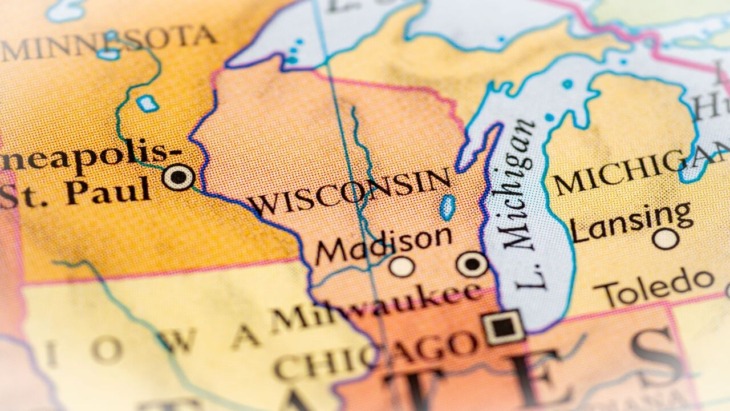
A nonprofit launched the Wisconsin Recovery Alignment Tour to bring local communities together around substance use prevention, treatment and recovery.
The effort aims to build stronger connections amongst organizations working across the state’s recovery network.
Taking the Recovery Conversation Across Wisconsin
The pathway to finding addiction treatment looks different depending on where an individual lives.
Those who live in cities usually have several providers to choose from while rural residents might travel long distances for specialized care. Limited transportation and a shortage of healthcare workers make the search even harder.
The statewide tour gives local organizations a chance to discuss these problems, and share what they see in their own communities.
It also brings people into the conversation who don’t always get a seat at the table including those who have experienced addiction themselves.
Families, healthcare providers, peer support workers and prevention groups each offer a different perspective. A family might know the difficulties of finding help for a loved one.
A peer specialist may have intimate knowledge of what happens when someone leaves treatment and struggles to find support afterward. Combining these experiences can help communities identify gaps that an organization might miss.
Connecting Treatment With Long Term Recovery
Getting someone into treatment marks only one part of the process. Depending on their circumstances a person may need detox medication. Counseling or help managing other health conditions might be needed.
These services don’t always connect smoothly. Someone leaving a treatment program may need to find follow up care or work out how to reach appointments.
When local providers know what other organizations offer they can point people toward the next service they need.
The tour also gives communities a chance to talk more openly about addiction. Some people still worry about how family members employers or neighbors will react if they ask for help.
Hearing people discuss treatment and recovery in public can make those conversations less uncomfortable.
What Happens After the Tour Stops?
The real test comes after each community event. Introducing local groups to one another marks a starting point but those connections need to lead to useful changes.
That might mean easier referrals better communication between providers or more reliable support for people who finish treatment.
Keeping those efforts going takes time and resources. Rural communities face particular challenges when they have few providers to begin with.
A statewide initiative can bring people together but local organizations still need enough staff and resources to meet the needs they identify.
Finding Recovery Resources in Wisconsin
Addictions.com offers information about substance use and mental health care as well as recovery support. Individuals and families can use its resources to learn about available services and explore treatment options. Call
800-681-1058
( Sponsored)
today to speak with a treatment specialist.
Sponsored)
today to speak with a treatment specialist.