



A decade ago a police chief in Gloucester, Massachusetts made an unusual offer. Anyone could walk into his station with drugs or without and ask to be connected to treatment. No handcuffs.
That program became the Angel Program, and then the Police Assisted Addiction and Recovery Initiative, or PAARI.
Ten years later, PAARI collaborates with 800 police departments in 47 states, according to executive director Zoe Grover. Tens of thousands of people have been placed in treatment.
Numbers Worth Pausing On
The approach treats substance abuse as a medical condition rather than a crime. The state recorded 978 confirmed and suspected opioid-related overdose deaths last year, a nearly 60 percent decline from the record high of 2,364 deaths in 2022.
More than 17,000 free doses of naloxone have flowed to police departments, first responders and construction workers through PAARI, and over 4,300 public safety and health professionals have received free training.
What Follow-Up Looks Like on the Ground
In Plymouth County, the outreach network that grew from this model made 175 visits in 2025 to people who had overdosed, usually within 72 hours of the emergency.
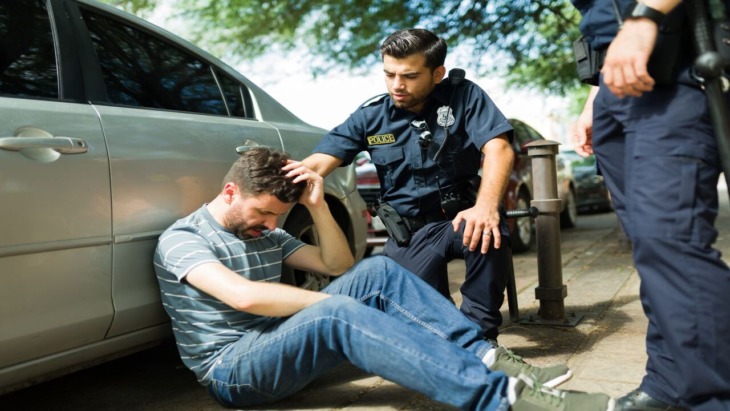
Plainclothes officers often accompany outreach workers. Daniel Wood credits one of those visits with his sobriety.
“I didn’t know any of these people,” Wood said of the outreach workers who showed up days after his overdose. “I wanted to stop using, and they pointed me in the right direction.
They wanted me to get clean, but they weren’t forcing me.” Sober for months, he now visits the Kingston drop-in center regularly. “I’d still be using or dead,” he said.
Why Advocates Are Still Restless
Progress has not produced complacency. John Rosenthal, who co-founded PAARI in 2015, noted that heroin is no longer the leading driver of overdose deaths. Fentanyl-laced cocaine, stimulants and opioid pain relievers are, which keeps the work of shifting police culture relevant.
Frederick Ryan, a former Arlington police chief and early backer, describes the before-and-after simply. Previously, the only tool an officer had for addiction was handcuffs. Now officers carry Narcan, can reach mental health clinicians and work within an improved health care system.
Half of Massachusetts’ 351 cities and towns now participate in PAARI. For families watching a loved one cycle through crisis, the model offers a concrete ask: treatment can start with a knock on the police station door.
Addictions.com’s directory lists thousands of rehab centers across the country. Call
800-681-1058
( Sponsored)
to learn more about your treatment options.
Sponsored)
to learn more about your treatment options.