




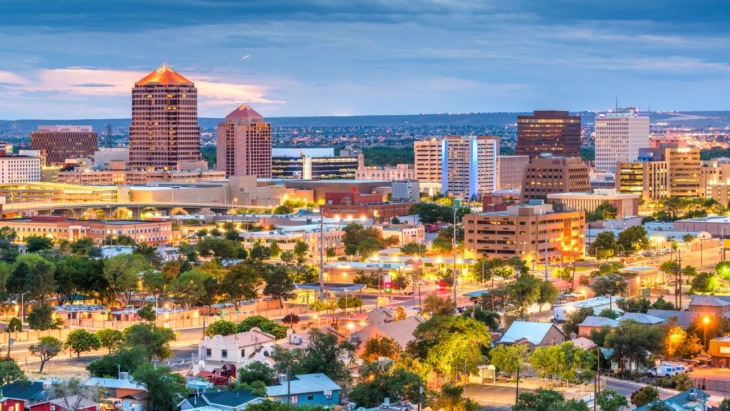
Albuquerque is testing an idea that treats money and recovery as the same problem. The city is adding 20 young people to a guaranteed basic income program that pays $750 a month and connects participants with addiction treatment in Albuquerque, New Mexico through a city-run trauma center.
For families in Bernalillo County who have watched a young person cycle between instability and substance use, the design targets the conditions that make treatment hard to stick with rather than only the treatment itself.
What the City Is Doing
Albuquerque’s Office of Equity and Inclusion has run the guaranteed basic income program for more than a year, paying $750 monthly to certain families at selected city schools, funded by cannabis tax revenue.
The expansion adds 20 people ages 16 to 24, whether or not they are enrolled in school. Along with the monthly payments, they receive treatment services addressing trauma and addiction through the city’s Albuquerque Community Safety Trauma Recovery Center.
The city has said the goal is to teach, train, and help participants move on. Mayor Tim Keller framed addiction as the city’s leading challenge and described the program as a way to help with it and to keep it from worsening.
Why Money and Recovery Are Connected
Nobody is claiming a monthly payment treats a substance use disorder. What it can do is remove practical obstacles that end treatment early.
Transportation, a phone that stays connected, stable housing, and not having to choose between a counseling session and a shift are all cost problems, and they are common reasons people drop out of outpatient care.
Pairing income support with a trauma recovery center reflects something clinicians see constantly in this age group.
Substance use in adolescents and young adults frequently follows trauma rather than preceding it, and treating one without the other tends to produce short-lived results.
It is worth being precise about what is known. This is a program expansion, not a study result. No outcome data has been published, and the city has not reported how many earlier participants reduced substance use, stayed in treatment, or avoided contact with the justice system.
Understanding Substance Use in Young Adults
Substance use disorder is a medical condition in which a person continues using a substance despite harm to health, relationships, school, or work.
It changes how the brain’s reward and stress systems function, which is why willpower alone rarely resolves it and why treatment works better than pressure.
Signs of addiction that families in Albuquerque, New Mexico most often notice in a teenager or young adult include:
- A sharp drop in school or work performance, or sudden loss of interest in things that used to matter
- Withdrawal from family and longtime friends, often paired with a new and secretive social circle
- Money or valuables going missing, or unexplained requests for cash
- Changes in sleep, appetite, weight, or physical appearance and hygiene
- Mood swings, irritability, anxiety, or flat affect that is out of character
- Needing more of a substance to get the same effect, or feeling sick when not using
One of these on its own may mean nothing more than being 17. A cluster of them appearing together over weeks is worth a conversation and, if it continues, a professional assessment.
How Families Can Respond
Approach matters more than most people expect. Confrontation and ultimatums tend to increase secrecy in this age group.
A calmer opening, focused on a specific thing you noticed rather than an accusation, keeps the conversation going.
Practical steps for families:
- Ask for an assessment rather than demanding rehab. An evaluation identifies what level of care actually fits, which may be outpatient rather than residential.
- Ask about programs built for adolescents and young adults. Adult programs are not designed for a 17-year-old, and the difference in outcomes is real.
- Ask whether family participation is part of the program. For this age group it usually should be.
- Ask about trauma-informed care, given how often the two conditions travel together.
- Verify coverage. Medicaid in New Mexico covers substance use disorder treatment, including outpatient and residential care.
Finding Addiction Treatment in Albuquerque, New Mexico
Where to start, in order:
- Call SAMHSA’s National Helpline at 1-800-662-4357, free and confidential, 24 hours a day, in English and Spanish.
- Contact Bernalillo County behavioral health services to ask what publicly funded and youth-specific programs are available.
- Search addiction treatment centers in Albuquerque and compare them on age range served, whether family therapy is included, and coverage accepted.
- If a young person is in crisis, call or text 988.
Addictions.com lists verified treatment centers across New Mexico with details on programs, populations served and payment options. Call
800-681-1058
( Sponsored)
to learn about local options in your area.
Sponsored)
to learn about local options in your area.