



Addiction treatment in Alabama is getting a new access point, and it is one most people never think about.
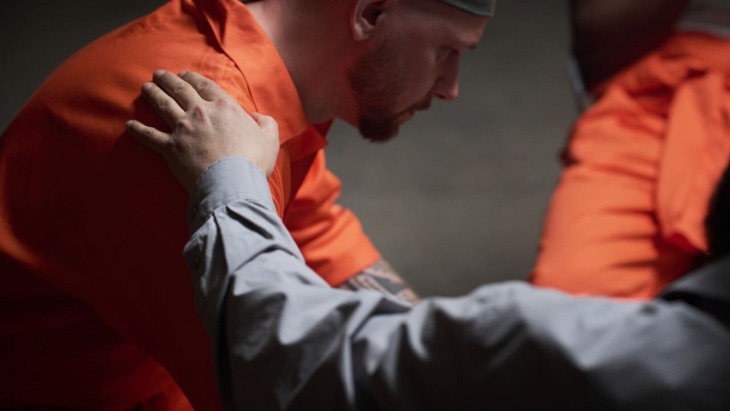
Gov. Kay Ivey has awarded a $70,694 grant to the Jefferson County Commission to run a substance use treatment program inside the Jefferson County Jail.
Jefferson County includes Birmingham and is the most populous county in the state. That makes its jail one of the larger points of contact between Alabamians with a substance use problem and any kind of health care at all.
The program pairs medication with counseling to treat drug and alcohol addiction. It also includes regular drug testing and referrals to aftercare programs for people continuing recovery after release.
What the Program Includes
The Jefferson County Commission will run the program with the Jefferson County Sheriff’s Office and SymboCor Correctional Healthcare.
The Alabama Department of Economic and Community Affairs, known as ADECA, is administering the grant. The money comes from the U.S. Department of Justice. ADECA Director Kenneth Boswell said treating addiction improves lives and makes communities safer.
Announcing the award, Ivey said the plan “will help break the cycle of addiction” that often contributes to repeat criminal behavior.
Why the Aftercare Piece Matters Most
The referral component is the part with the biggest safety stakes, and it is worth understanding if you have a loved one in custody.
When someone stops using opioids for weeks or months, their tolerance drops. If they return to the same amount they used before, the risk of overdose is far higher than it was. The weeks right after release are one of the most dangerous stretches in the whole cycle.
That is why a warm handoff matters. A referral that connects someone to a community provider before the release date, rather than a phone number handed over on the way out, is the difference the aftercare piece is meant to make.
Families can help by asking the jail’s medical contractor what the discharge plan is and whether medication will continue without a gap.
Understanding Medication for Addiction Treatment
Medication for addiction treatment, often shortened to MAT, means using FDA-approved medication alongside counseling.
For opioid addiction, buprenorphine and methadone ease withdrawal and reduce cravings, and they lower the risk of a fatal overdose.
Naltrexone blocks the effects of opioids and is also used for alcohol addiction, along with acamprosate. These are treatments, not substitutes for recovery, and they are the standard of care.
Signs of Addiction to Watch For
Families often notice something is wrong before they can name it. Common signs of a substance use problem include:
- Needing more of a substance to get the same effect
- Withdrawal symptoms such as nausea, sweating, shaking, or trouble sleeping when use stops
- Missing work, school, or family obligations
- Money problems or missing valuables that do not add up
- Pulling away from friends and family
- Repeated attempts to cut back that do not hold
For opioids specifically, watch for extreme drowsiness, very small pupils, slowed breathing, and lost prescriptions or requests for early refills. Slowed or stopped breathing is an overdose emergency. Call 911.
Finding Addiction Treatment in Alabama
If you or someone in your family needs help in Jefferson County or elsewhere in Alabama, you do not have to wait for a court date to start.
Search addiction treatment centers in Alabama by city to compare programs near you, and check which ones accept Medicaid or offer a sliding scale.
Ask directly whether a program prescribes medication for opioid or alcohol addiction, since not all of them do. You can call
800-681-1058
( Sponsored)
to learn more about your treatment options.
Sponsored)
to learn more about your treatment options.