
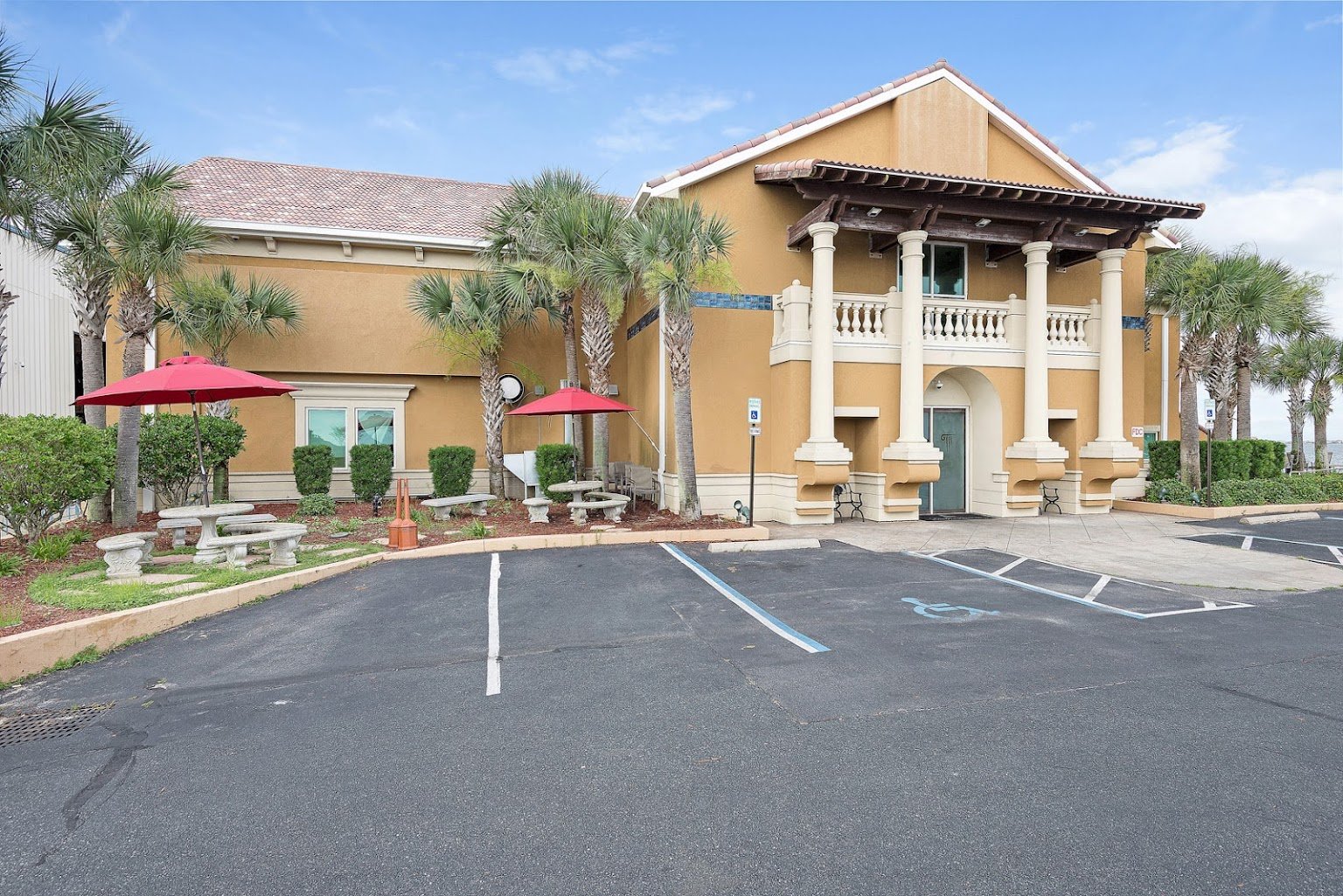
Gulf Breeze Recovery
Gulf Breeze, FL
32561

With 1,000+ options for drug and alcohol rehab in Florida, you have real choices about where to start. One statewide office, the Florida Department of Children and Families Office of Substance Abuse and Mental Health, is responsible for mental health and substance abuse services across the state. Wherever you look, someone is accountable for the care you find.
 800-785-0495
 Sponsored
 Close
Close| Thumbnail | Name | Address | Phone | Treatment | Insurance |
|---|---|---|---|---|---|
|
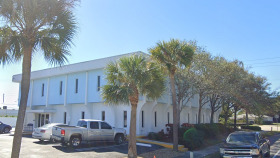
The Recovery Team Delray Beach |
705 Linton Blvd Delray Beach, FL 33444
The Recovery Team Delray Beach is a peaceful addiction treatment facility for adults near the Atlantic Dunes Park in Delray Beach, Florida. You’ll be treated in a beautifully appointed home environment with a gym, pool... |
888-483-5159 | Detox Inpatient Outpatient | Private |
|
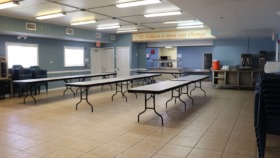
Bridges International – The Orlando Bridge |
2001 Mercy Drive, Orlando, FL 32808
Bridges International - Orlando in Orlando, Florida, is a Christian nonprofit organization. They offer reintegration services between incarceration and reentry into the community. Transition Reentry Center The community release and transition reentry center offers assistance... |
407-218-4800 | Detox Inpatient Outpatient | Private |
|
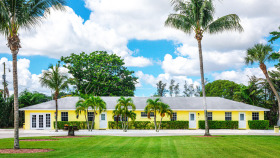
Genesis House Recovery Residence |
4865 40th Way South Lake Worth, FL 33461
Located in Lake Worth, Florida, Genesis House offers a residential addiction treatment program to help those with addiction and looking for a supportive environment to recover. Their residential program usually spans either 30, 60, or... |
866-977-3274 | Detox Inpatient Outpatient | Private |
|
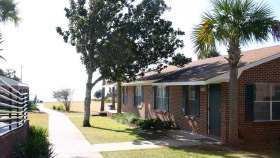
Twelve Oaks Recovery Center |
2068 Health Care Avenue Navarre, FL 32566
Twelve Oaks Recovery Center provides substance use treatment in Navarre, Florida. Their staff is committed to helping men and women overcome addiction and co-occurring mental health conditions. Whole-Person Care Along with traditional treatment therapies, Twelve... |
850-203-3002 | Detox Inpatient Outpatient | Private |
|
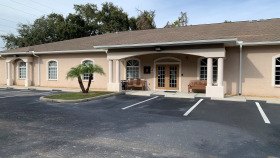
Turning Point of Tampa |
6227 Sheldon Road Tampa, FL 33615
Turning Point of Tampa provides addiction treatment in Florida offering a full continuum of care for adults facing substance use disorders, co-occurring mental health conditions and eating disorders. This highly structured, 12-step oriented program provides... |
813-548-6541 | Detox Inpatient Outpatient | Private |
|
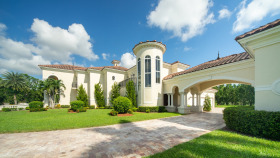
United Recovery Project Luxury Rehab in Florida |
5900 Johnson Street, Hollywood, FL 33021
United Recovery Project is located in Hollywood, Florida, and is a luxury treatment facility for individuals fighting mental health and substance abuse disorders. They accept most private insurance plans, self pay, financing and employment assistance... |
954-429-5026 | Inpatient Outpatient | Private |
|
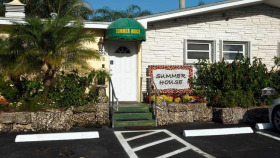
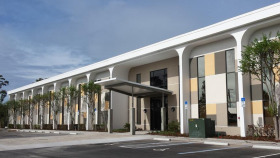
Summer House Detox Center |
13550 Memorial Highway, Miami, FL 33161
Summer House Detox Center is an inpatient alcohol and drug rehab based in Miami, Florida. They specialize in providing medical detox services for adults experiencing addiction to alcohol, heroin, opiates, benzodiazepines, methadone, and Suboxone. Get... |
888-338-6908 | Detox Inpatient | Private |
|
Orlando Recovery Center |
6000 Lake Ellenor Drive Orlando, FL 32809
Orlando Recovery Center plants itself right in Orlando, Florida, in order to help the community there overcome issues from substance misuse and co-occurring mental health conditions. They offer several treatment programs such as medical detox,... |
407-680-1226 | Detox Inpatient Outpatient | Private |
|
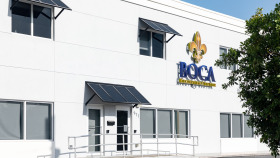
Boca Recovery Center Florida – Drug Rehab & Detox |
971 South Dixie Highway West Pompano Beach, FL 33060
Boca Recovery Center Pompano Beach Treatment Center provides drug and alcohol rehab in Florida. They welcome those in the local community and throughout the country needing help with addiction. Boca Recovery offers an inclusive setting,... |
954-251-6195 | Detox Inpatient | Private |
|
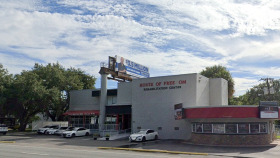
House of Freedom |
2311 North Orange Blossom Trail Kissimmee, FL 34744
House of Freedom in Kissimmee, Florida, is a CARF-accredited treatment center for individuals fighting mental health and substance use disorders. The facility offers residential treatment, outpatient programs, detoxification, medication assisted treatment (MAT) and telemedicine therapy.... |
407-957-9077 | Detox Inpatient Outpatient | Private |
|
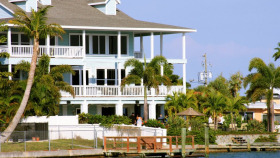
Transformations by the Gulf |
7217 Gulf Boulevard Suites 2 St. Pete Beach, FL 33706
Transformations by the Gulf is an addiction treatment facility located in St Pete Beach, Florida, and provides programs and resources for men fighting mental health and substance abuse disorders. The facility offers inpatient, partial hospitalization... |
727-498-6498 | Detox Inpatient Outpatient | Private |
|
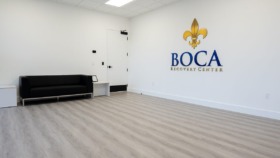
Boca Recovery Center – Alcohol & Drug Rehab Boca Raton |
901 Clint Moore Rd STE A Boca Raton, FL 33487
Boca Recovery Center's drug rehab center in Boca Raton, provides comprehensive addiction treatment services to adult clients in sunny Florida. It’s by the Boca Country Club and the Yamato Scrub Natural Area. Various insurance options... |
561-763-4773 | Detox Inpatient Outpatient | Private |
|
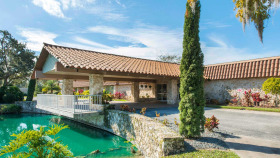
The Village Transitional Housing Program |
633 Umatilla Boulevard, Umatilla, FL 32784
Located in Umatilla, Florida, The Recovery Village Drug and Alcohol Rehab provides a full continuum of inpatient and outpatient addiction treatment for adults. Inpatient rehab includes medical withdrawal, 24 hour nursing supervision, and specialty therapy... |
407-478-4034 | Detox Inpatient Outpatient | Private |
|
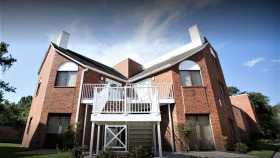
UF Health Florida Recovery Center |
4305 Northwest 90 Boulevard, Gainesville, FL 32606
UF Health Florida Recovery Center in Gainesville, Florida, provides substance abuse treatment. They believe in offering a comfortable, nurturing setting focusing on the physical, emotional and spiritual aspects of recovery. Aftercare is included in their... |
(352) 265-4372 | Detox Inpatient Outpatient | Private |
|
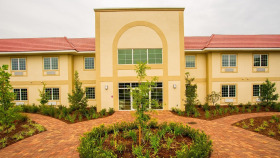
River Oaks Treatment Center |
12012 Boyette Road Riverview, FL 33569
River Oaks Treatment Center is located in Riverview, Florida, and provides treatment for individuals who are experiencing mental health and substance use disorders. The facility offers residential programs, medical detoxification, outpatient services and aftercare support.... |
813-295-7762 | Detox Inpatient Outpatient | Private |
|
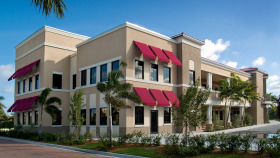
Caron Renaissance |
7789 Northwest Beacon Square Boulevard Boca Raton, FL 33487
Caron Renaissance is a specialized residential treatment program in Boca Raton, Florida. This program offers a combination of intensive therapy, medical detox services, and trauma treatment. They have specific tracks for the LGBTQ+ community, legal... |
844-270-7481 | Detox Inpatient Outpatient | Private |
|
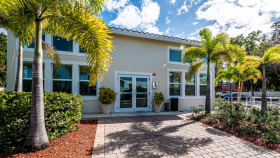
The Haven Detox |
1325 Haverhill Road West Palm Beach, FL 33417
Located in West Palm Beach, Florida, The Haven Detox is designed to support individuals on their journey to recovery from addiction and co-occurring mental health disorders. I was initially impressed with the variety of services... |
877-960-8839 | Detox Inpatient Outpatient | Private |
|
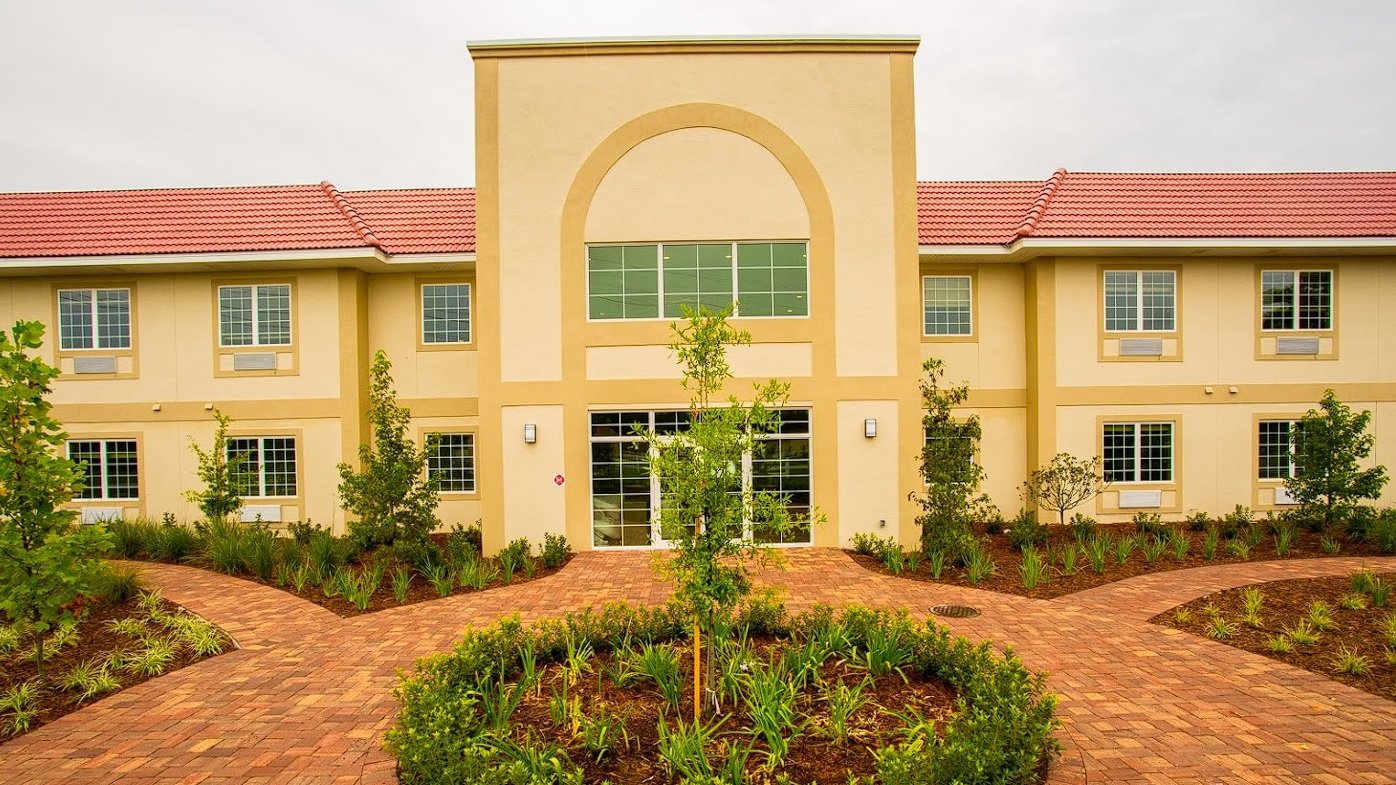
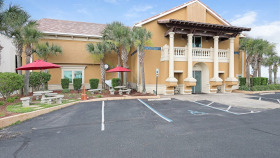
Gulf Breeze Recovery |
350 Pensacola Beach Road Gulf Breeze, FL 32561
Gulf Breeze Recovery offers holistic substance addiction treatment in a compassionate environment for guests in Gulf Breeze, Florida. The center provides a non 12 Step approach that addresses the physical, mental, emotional and spiritual aspects... |
833-551-2356 | Detox Inpatient | Private |
|
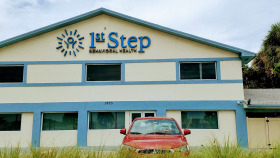
1st Step Behavioral Health |
3773 North Federal Highway Pompano Beach, FL 33064
1st Step Behavioral Health: Drug Rehab is in Pompano Beach, Florida, and offers inpatient and outpatient programs to support adults struggling with substance abuse and concurrent mental health issues. There’s a specialized track for professionals.... |
866-971-5531 | Detox Inpatient Outpatient | Private |
|
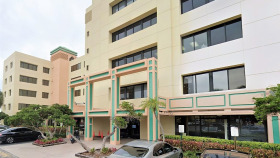
Recovery Unplugged Fort Lauderdale |
915 Middle River Drive Suite 114 Fort Lauderdale, FL 33304
Recovery Unplugged is located in Fort Lauderdale, Florida, and provides programs for mental health and substance abuse disorders using music as the foundation. They’re accredited by The Joint Commission, state of Florida, CAP, NAATP and... |
954-807-9981 | Detox Inpatient Outpatient | Private |
|
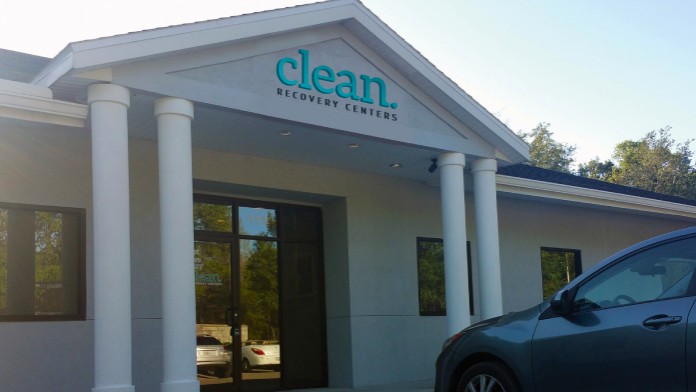
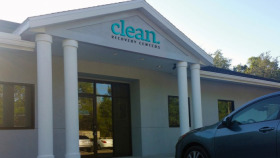
Clean Recovery Centers |
508 W Fletcher Ave Tampa, FL 33612
Clean Recovery Centers, located in Tampa, Florida, gives you the chance to recover from substance abuse and mental health issues through their specialized treatment and services. They integrate various levels of care to fit your... |
813-743-3191 | Detox Inpatient Outpatient | Private |
|
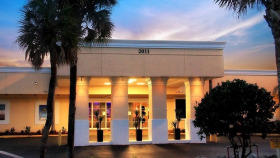
WhiteSands Treatment – Lakeland |
2011 North Wheeler Street, Plant City, FL 33563
WhiteSands Treatment is located in Plant City, Florida, and provides residential and outpatient programs for individuals who are experiencing mental health or substance use disorders. Some of the programs include detoxification services, outpatient treatment, a... |
(813) 578-0968 | Detox Inpatient Outpatient | Private |
|
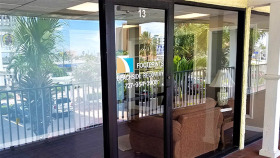
Footprints Beachside Recovery |
9641 Gulf Blvd Suite B Treasure Island, FL 33706
At Footprints Beachside Recovery in Treasure Island, Florida, you can access various accredited addiction treatment services. Based near Clearwater Beach, it’s a family-owned, family-focused center. Support is available to adults, and various insurance plans are... |
727-353-2128 | Detox Inpatient Outpatient | Private |
|
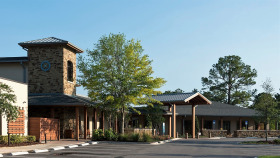
Lakeview Health |
1900 Corporate Square Boulevard Jacksonville, FL 32216
Lakeview Health in Jacksonville, Florida offers gender-responsive medication assisted treatment programs. The resort-like setting of Lakeview’s campus allows you to feel like you are tucked away from the world, while still being in the middle... |
904-677-5010 | Detox Inpatient Outpatient | Private |
|
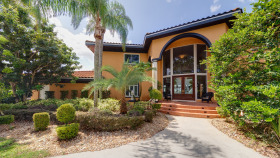
Tikvah Lake Recovery |
6549 Rajol Drive, Sebring, FL 33875
Tikvah Lake Recovery provides luxury addiction treatment in Sebring, Florida. The private facility offers various amenities in a peaceful setting where guests can relax, recharge and focus on recovery. Luxurious Comfort for Recovery The Tikvah... |
(833) 773-4743 | Inpatient | N/A |
|
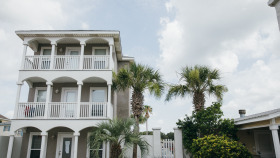
JourneyPure Florida Alcohol and Drug Rehab |
22219 Panama City Beach Parkway Panama City Beach, FL 32413
JourneyPure Florida Alcohol and Drug Rehab is located in Panama City Beach, Florida, and is an addiction treatment center that provides programs for individuals fighting substance use and mental health disorders. The facility is accredited... |
954-507-6131 | Detox Inpatient Outpatient | Private |
|
WhiteSands Treatment Orlando |
56 East Pine Street Orlando, FL 32801
WhiteSands Treatment Orlando is an addiction treatment center located in Orlando, Florida. They help bring addiction treatment services to individuals who are struggling to overcome their substance use disorders. They provide a supportive environment and... |
407-255-2351 | Outpatient | Private |
|
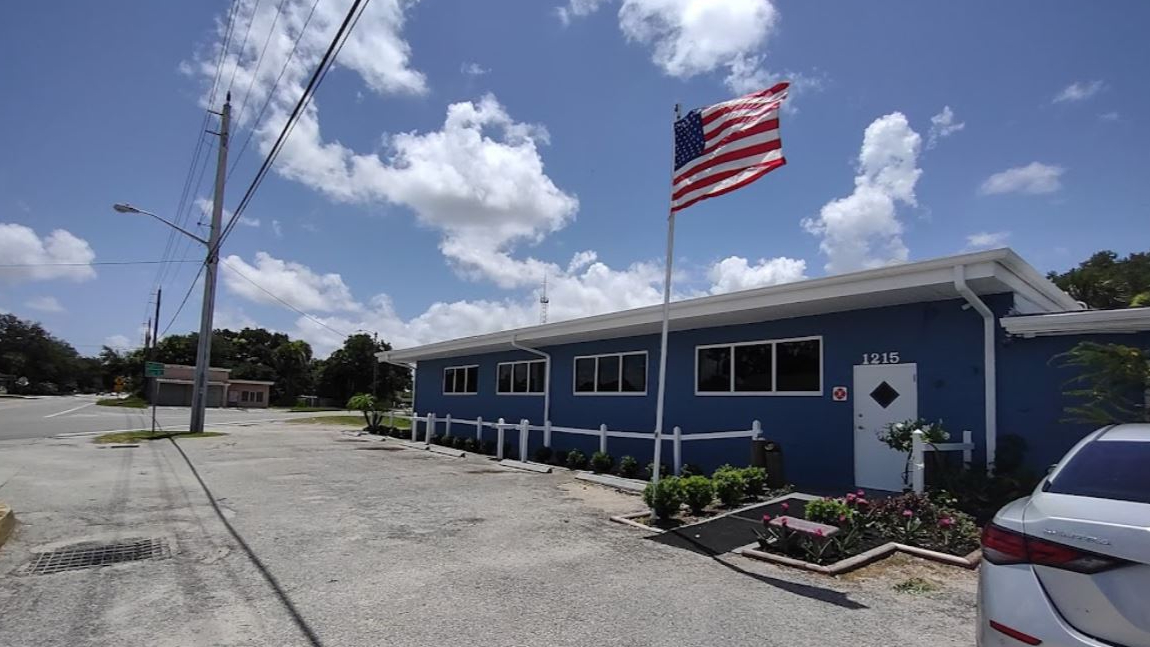
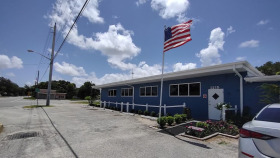
Space Coast Recovery |
1215 Lake Drive Cocoa, FL 32922
Space Coast Recovery provides substance use and co-occurring mental health treatment for adults in Cocoa, Florida. They also have a residential program for men only. Space Coast does not accept health insurance. All programs include... |
321-632-5958 | Inpatient Outpatient | N/A |
|
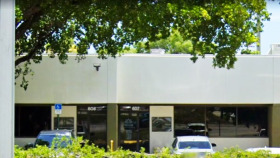
Prevail Recovery Center |
3223 Northwest 10th Terrace Suite 610 Fort Lauderdale, FL 33309
Prevail Recovery Center is an outpatient addiction treatment center serving the community of Fort Lauderdale, Florida. Using a co-occurring approach, licensed clinicians at Prevail use the 12 Steps to help you get sober and manage... |
866-441-2455 | Inpatient Outpatient | Private |
|
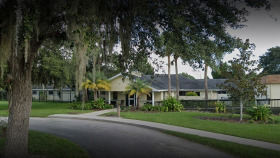
Agency for Community Treatment Services Keystone Residential |
3575 Old Keystone Road Tarpon Springs, FL 34688 |
727-942-4181 | Inpatient | Medicaid Private |
Find Florida drug rehabs in cities near you or sort by letter.
Expert Insights
As a psychotherapist and a complicated grief counselor in Florida, I worked with many seniors whose grief following the death of a spouse was complicated by an increase in risky drinking behavior. Research confirms that this is not unusual.
A study in the journal Addictive Behavior found that prolonged and unresolved grief increases the likelihood of substance misuse. In Florida, which has a large senior population, about 32-37% of adults over the age of 65 engage in risky drinking, as opposed to 21-24% nationwide.
More attention should be paid by addiction professionals to the possible role of grief and bereavement as a trigger for substance misuse, especially by clinicians who work with seniors.
Florida has 1,000+ treatment programs. If you are looking for publicly funded care, your starting point is your local Managing Entity. The Florida Department of Children and Families will point you to the one in your area, and it can help you find treatment services close to home. Care in this community-based system includes assessment, counseling, case management and support. It is offered in residential and outpatient settings. You can ask a program what mix of addiction treatment fits your situation.
If you want to talk to someone first, the 988 Florida Lifeline is free. It is open around the clock for Florida residents, and the same department manages it.
The department’s Office of Substance Abuse and Mental Health serves as the single state agency for mental health and substance abuse services, so one office stands behind the programs you compare. One statewide effort is the Coordinated Opioid Recovery (CORE) Network. It ties addiction and opioid treatment together across the Florida Department of Health, the department and the Agency for Health Care Administration. For you, that can mean opioid care that connects across services instead of stopping at one program’s door.
Most people with Florida Medicaid are in the Statewide Medicaid Managed Care program, run by the Agency for Health Care Administration. If you have it, ask a program whether it works with your plan.
When it comes to cost, Florida sits in the middle of the pack nationally (21st). The average cost of drug rehab in Florida is $56,640, the average full cost of care before insurance. If you have a Marketplace health plan, your 2026 out-of-pocket maximum for covered, in-network services is $10,600 for an individual or $21,200 for a family. That is the most you have to pay in a plan year. You can ask a program and your plan what you would actually pay.
Medical detox is the most expensive, with an average cost of $139,638
Inpatient rehab in Florida costs an average of $49,981
Outpatient rehab in Florida costs an average of $8,305
Outpatient methadone treatment is the most affordable, with an average cost of $7,379
Georgia, Alabama and South Carolina are the nearby states on the graph, and each bar shows the average cost of inpatient rehab without insurance. Florida’s bar is the fourth highest of the five, close to the rest: about 2 percent above Georgia’s, 3 percent below Alabama’s, with all five inside a 6 percent spread. Where you are in this corner of the South matters less than the program you choose and how you pay.
What shapes the cost of treatment:



Across Florida’s 1,000+ treatment programs you can pay directly, use private insurance, use Florida Medicaid or Medicare, or look for free and reduced-cost care. Many programs work with more than one of these. You can ask any program which payment options it takes before you decide anything.

1,172 accept self-payment or cash
997 accept private health insurance
459 accept Florida Medicaid
347 accept Medicare

390 offer sliding-scale fees

357 offer financial assistance
26 offer free treatment

178 offer financing
Nearly all treatment programs in Florida accept private payment, so you can pay for care directly if you do not have coverage or do not want to use it. Most programs also take private insurance, and you can ask a program how it bills rehab insurance and what your share would be after your plan pays its part.
Many treatment programs in Florida take Florida Medicaid. Florida has not expanded Medicaid under the Affordable Care Act. If you do not have it now, you can ask whether you qualify; if you do, ask each program whether it accepts Florida Medicaid.
Some treatment programs in Florida take Medicare. You can ask a program whether it accepts Medicare and what you would pay.
If you have military coverage, Florida is part of the TRICARE East Region, where Humana Military is the regional contractor. You can ask a program whether it takes your plan, and there are addiction and mental health resources for service members, veterans and their families across the state.
Florida is served by the Nashville Area of the Indian Health Service. The Bureau of Indian Affairs’ Seminole Agency, in Hollywood, is the primary point of contact for the Seminole Tribe of Florida and the Miccosukee Tribe of Indians. If you are a Tribal member, the tribe runs the Center for Behavioral Health, which provides behavioral health services including substance abuse treatment to members. You can ask the tribe or the Seminole Agency what is available to you.
Some Florida programs offer free care, and some charge on a sliding scale based on what you can pay. Some offer financial assistance or financing that spreads the cost over time. Options like these can apply to different kinds of care, including medication-assisted treatment, so ask each program what it offers and what you would pay out of pocket.
Across Florida, free and low-cost help comes in many forms. There are statewide phone and text lines, peer support, recovery housing and harm reduction. You can reach most of it with a call, a text or a visit. If money is what is holding you back, free crisis and suicide prevention support is there at any hour. The state’s Overdose Prevention Program sends free naloxone kits across Florida. They go out through more than 600 enrolled distributors. County commissions can also authorize sterile needle and syringe exchange programs under the state’s Infectious Disease Elimination Act.
Florida’s drug and alcohol use statistics show a state close to the nation on paper, with most treatment needs still unmet. Most people in Florida who needed substance use treatment in the past year did not get it, the highest share of the four states shown. Behind those figures sits a system with 1,000+ treatment programs across Florida and the Managing Entities that connect you to publicly funded care. Efforts like the Coordinated Opioid Recovery (CORE) Network and the Overdose Prevention Program work alongside it.
Adults in Florida who binge drank in the past 30 days, 2025
Drug overdose deaths per 100,000 people in Florida, 2024
People 12 or older in Florida with a substance use disorder in the past year, 2023-2024
People 12 or older in Florida who needed substance use treatment and did not get it, 2024
On overdose deaths, Florida’s rate sits below the national rate, between Georgia’s lower one and the higher rates in Alabama and South Carolina. Adults here also binge drink a little less than the national median.