



Although ketamine has made headlines lately, most notably for the passing of actor Matthew Perry, many people are still unaware of the drug, its effects, and its risks. While this drug does have legitimate medical uses, it’s also used recreationally and this can cause addiction, overdose, and serious health complications. To learn more about how treatment can address substance use safely and effectively, see our Guide to treatment & recovery.
What Is Ketamine?
Ketamine is a very powerful drug licensed largely for veterinarians. However, recently, ketamine has been studied as a possible therapeutic to treat alcohol addiction. It’s also been recently approved to treat treatment-resistant depression in a medical setting.
Newsworthy or not, the drug and its risks shouldn’t be underestimated. As a recreational drug, ketamine causes dissociation and detachment from reality.
Given its potency, the drug can also cause significant impairment, leading to respiratory problems and a life-threatening ketamine overdose.
Ketamine Facts
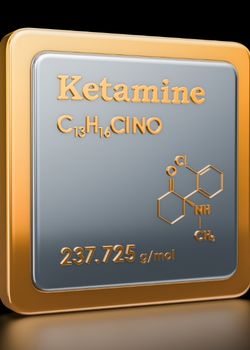 Ketamine has been approved for human and animal use in medical settings since the 1970s under the brand name Ketalar. Legally used as a veterinary anesthetic, the drug is taken illicitly because of its hallucinogenic properties.
In recent years, ketamine has been used in studies for the treatment of depression and even alcohol use disorder (AUD).
The 2024 National Survey on Drug Use and Health found that:
- Use of hallucinogens like ketamine is on the rise, having increased every year from 2021 to 2024.
- The increase in ketamine and other hallucinogens is primarily among people ages 26 and older, not among teenagers or young adults.
It’s also notable that increases in ketamine use in recent years have been predominantly in people without depression.
A recent NYU study found that despite recent increases in recreational use, ketamine’s use is overall low — accounting for around 1 percent of drugs misused.
While ketamine still accounts for a small percentage of drugs misused, recent increases in recreational use and the drug’s potency can still be a deadly combination.
Katherine Keyes, Ph.D., associate professor of epidemiology at Columbia University’s Mailman School of Public Health, and co-author of NYU’s study, commented on the need for increased awareness due to the increase in ketamine’s recreational use.
“Increases in ketamine use in a nightclub and non-hospital settings indicate the need for additional public health measures so that individuals who use non-medically are aware of risks and side effects.”~ Katherine Keyes, Ph.D.
Joseph Palamar, MPH, an affiliated researcher with the Center for Drug Use and HIV/HCV Research (CDUHR) at NYU School of Global Public Health still believes that we need to remain cautious about ketamine use outside of medical settings.
“While ketamine is used medically throughout the world, it is important for surveillance efforts to focus on recreational use in an effort to inform prevention and harm reduction programs,” he explained.
Ketamine Use for Depression: Ketamine vs. Esketamine
Clinical trials have assessed the success of ketamine as a treatment for depression (major depressive disorder). Some studies show positive results, indicating that ketamine provides rapid and robust antidepressant properties for patients with treatment-resistant depression.
The FDA has approved a ketamine nasal spray for this use. This is called esketamine, and it’s sold under the brand name Spravato.
Tiffany Farchione, M.D., acting director of the Division of Psychiatry Products in the FDA’s Center for Drug Evaluation and Research said, “Controlled clinical trials that studied the safety and efficacy of this drug, along with careful review through the FDA’s drug approval process including a robust discussion with our external advisory committees, were important to our decision to approve this treatment.”
Given some safety concerns, she went on to advise that ketamine “must be administered in a certified medical office where the health care provider can monitor the patient.”
Praising the development, Farchione continued. “There has been a long-standing need for additional effective treatments for treatment-resistant depression, a serious and life-threatening condition.”
It’s important to note, though, that there are still risks with using ketamine for treating depression. That’s why Spravato is distributed through a specialized Risk Evaluation and Mitigation Strategy (REMS) program to assess and minimize patients’ risks.
Can Ketamine be Used as Treatment for Alcohol Addiction?
Ketamine has also been trialed for the treatment of alcohol use disorder (AUD). Studies indicate that ketamine may reduce harmful drinking behaviors by rewriting drinking memories.
However, to date, ketamine is not yet FDA-approved for the treatment of addiction.
How is Ketamine Used Recreationally?
Ketamine for illicit use is available in white powder, pills, and liquid form. Users can inject, snort, or smoke the drug.
Street names for ketamine include:
- K
- Special K
- Vitamin K
- Ket
- Cat Valium
- Green K
- Super C
- Super acid
- KitKat
- Honey oil
- Jet
- Special L.A. coke
Effects of Ketamine
Ketamine can produce dream-like states and altered perceptions of reality.
These effects sometimes produce:
- Euphoria
- Visual and sensory distortions
- Unusual thoughts and beliefs
- A sense of being detached from your body
It’s popular in the nightlife scene. Ketamine’s effects typically last 45-90 minutes but can last up to 24 hours.
In low doses, ketamine can impair attention, learning ability, and memory.
However, other effects of ketamine can be dangerous, causing:
- Delirium
- High blood pressure
- Impaired motor function
- Ulcers
- Liver and kidney problems
- Depression
- Respiratory problems
- Overdose
Ketamine’s effects can be dangerous, ranging from delirium and high blood pressure to fatal respiratory problems. Combining ketamine with other substances heightens the risk.
Ketamine Overdose Signs and Risks
Taking the drug in high doses can cause a ketamine overdose and even death.
Some of the major symptoms of a ketamine overdose include:
- Paralysis
- Seizures
- Loss of consciousness
- Chest pains
- Increased blood pressure
- Hallucinations
- Nausea and vomiting
- Anxiety and agitation
One of the dangers of a ketamine overdose is the combination of paralysis and nausea, causing someone to choke on their vomit.
Mixing ketamine with other substances is an additional risk factor. Unfortunately, this is quite common. One study found that alcohol was combined with ketamine in 72 percent of ketamine-related emergency room visits.
How Is a Ketamine Overdose Treated?
If you suspect someone is experiencing a ketamine overdose, call 911 immediately. While waiting for emergency services to arrive, place them in the recovery position to prevent choking.
If you have Narcan available and you know that the person has taken opioids in addition to ketamine, or if you aren’t sure whether they have taken opioids, you can administer the Narcan.
It will counteract any opioids in their system that could be making the ketamine overdose worse, but if they don’t have opioids in their system, it won’t hurt them.
When first responders arrive, explain to the best of your knowledge all the substances the individual may have taken.
There are no current medications for treating a ketamine overdose, but it is a medical emergency.
Someone suffering from a ketamine overdose should be treated for life-threatening complications and remain monitored until they achieve a full recovery.
Because there are no medications for a ketamine overdose, treatment for these overdoses primarily focuses on supportive care. This means treating the symptoms and complications directly to minimize the impact of the overdose.
Medical professionals’ first priority will be to protect the person’s airway to ensure that they continue breathing or can receive breathing assistance. From there, they’ll address the symptoms of the overdose individually.
What to Know About Ketamine Addiction
In prolonged recreational use, ketamine can cause dependence and addiction.
If a person develops a ketamine dependence and tries to quit using ketamine, they may experience a range of withdrawal symptoms, including:
- Involuntary eye movements
- Chills
- Tiredness
- Nightmares
- Dilated pupils
- Stiff muscles
- Depression
- Anxiety
While there isn’t an FDA-approved medication for the treatment of ketamine addiction, people experiencing withdrawal symptoms may benefit from addiction treatment.
Frequently Asked Questions About Ketamine
Can Ketamine Stop Your Breathing?
Yes. Ketamine slows your body’s vital systems. An overdose of ketamine can slow your organs’ functions so much that you stop breathing. This can also happen if you combine ketamine with other depressive substances like alcohol or opioids.
Is Esketamine the Same as Ketamine?
Ketamine and esketamine are very similar, and both are used medically for treatment-resistant depression. However, ketamine is comes in the form of an IV drip or potentially pills, while esketamine is the nasal spray version of the medication.

Getting Help for Ketamine Addiction
For people who have developed a ketamine addiction, the first stage of recovery is detox.
Be sure to detox with the help of knowledgeable medical professionals at an inpatient or outpatient detox center, where they can monitor you for complications.
After detox, you’ll begin a behavioral health program that uses therapy, peer support, and other approaches to help you overcome your addiction.
If you or someone you love needs help, explore effective recovery options in our Guide to treatment & recovery.
Call
800-681-1058
( Sponsored)
today to learn about flexible treatment programs for drug and alcohol addiction.
Sponsored)
today to learn about flexible treatment programs for drug and alcohol addiction.