







Expert Insights
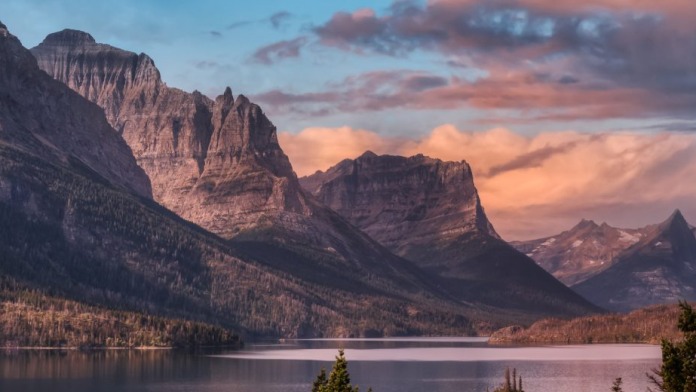
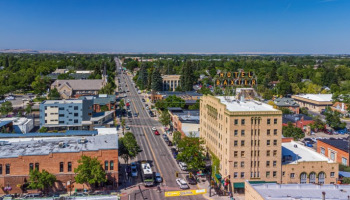
Montana is known as “Big Sky” country because of its vast landscape with wide open spaces. That is why providing mental health care is difficult.
Working in rural emergency rooms demonstrates the lack of availability of services, which I’ve seen in rural areas myself. People in mental health crises often end up waiting for hours and then are released with no plan for follow up. Because there are no 72 hour hold laws in Montana, people in crisis rarely get the care they need to stabilize.
Recent research from the US Census Bureau and the CDC indicates Montana’s mental health and suicide rates are higher than average for the country, especially among teenagers. Montana is beautiful, but the rural nature of the state creates extraneous barriers to mental health care.
~ Mary Jo Fleming, PhD
How Much Does Drug Rehab Cost in Montana?
Montana is ranked 47th nationwide in terms of addiction treatment affordability, with an average cost of drug and alcohol rehab of $62,530 (without insurance).
- Medical detox is the most expensive, with an average cost of $154,159
- Long-term inpatient drug rehab in Montana costs an average of $55,179
- Outpatient addiction treatment in Montana costs an average of $9,169
- Outpatient methadone treatment is the most affordable, with an average cost of $8,146
Depending on the circumstances, the cost of drug and alcohol rehab in Montana can vary greatly from person to person. Influencing factors include:
Inpatient vs. outpatient rehab

Location of the facility or detox center

Acceptance of insurance plans

Amenities and features (luxury vs. standard)

Duration of stay
Paying for Addiction Treatment in Montana: How to Pay
As of 2024, there were over 140 drug rehab facilities across the state of Montana. These facilities accept several payment methods. Of those treatment facilities, the following numbers reflect how many rehab centers offer free or low-cost treatment options:

121 accept self-payment or cash

89 offer sliding-scale fees for those without insurance
121 accept Medicaid insurance coverage
100 accept state funded insurance coverage
120 accept private health insurance

60 offer free or low-cost treatment

1 offer free treatment for all clients

66 accept tribal funding
In the state of Montana during the years 2021 and 2022, nearly 155,000 residents aged 12 and older admitted to having a substance use disorder, but did not receive treatment. This is an alarming number due to the fact that in 2021, 114 people died from opioid overdoses. The state of Montana has one of the highest costs for drug rehab. This can create a greater need for free, or at least affordable drug treatment for their residents.
Montana has rehab facilities that use state or federally-awarded grant money to help uninsured or individuals with a low socio-economic status pay for substance use treatment. They also have additional services that help you get connected to the right recovery program.
Private Pay + Insurance
You have options to pay for treatment in Montana, with many of them accepting health insurance and some will even allow you to self pay. Each insurance is different in what specific type of rehab that it covers. It’s important to talk with your insurance provider to understand in and out of network benefits and coverage.
Here are some of the following major private insurance carriers in Vermont:
- Blue Cross Blue Shield of Montana
- Mountain Health Co-op
- United Healthcare
Medicaid and Medicare
Medicaid covers a variety of different addiction treatment options in the state of Montana. It can be used on addiction treatment services like detox and drug rehab. With Medicaid and Medicare, you might be responsible for a copay. Montana has the HEART Initiative that funds alcohol and drug programs up to 25-million dollars a year through Medicare and Medicaid. This funding can also help with other programs such as reentry services for justice-involved persons and community support services.
Military Insurance
If you are a Veteran, or have military insurance such as TRICARE, substance use treatment can be covered. TRICARE covers a variety of services such as inpatient care, Medication assisted treatment, outpatient services, partial hospitalization programs, and residential care. Montana also features the Veterans Treatment Court in Missoula County. This provides funding for justice involved veterans with a substance use history to be involved in a year-long outpatient program that includes peer mentorships, counseling, and drug testing.
Tribal Funding/Programs
The purpose of the Tribal Opioid Response Grant is to help address the rise in opioid use within Tribal communities. This has helped with the lack of access to treatment and has increased access to culturally appropriate and evidence-based treatment. In Montana, the Office of Indian Affairs and the Rocky Mountain Tribal Leaders Council can provide funding for easier access to care and can help provide more affordable substance use treatment options for Native Americans.
Other Low-Cost Options
Each rehab is different and other low-cost options can vary between each one. Some programs may offer financial aid such as scholarships to help pay for treatment. Others may offer a sliding payment scale based on income. It is important to talk with your provider to see what options they offer when it comes to paying for or accessing treatment.
Resources
- Montana Department of Public Health and Human Services. (2022). Naloxone.
- Drug Rehabs. (2024). Montana drug and statistics resources. https://www.drugrehabs.com/montana/
- Health Street. (2021 December 22). Montana drug testing compliance. https://www.health-street.net/state-laws/montana-drug-testing-compliance/
- Rehabs. (2024). Top 21 alcohol & drug rehab centers in Montana & free treatment resources. https://rehabs.org/centers/montana/