

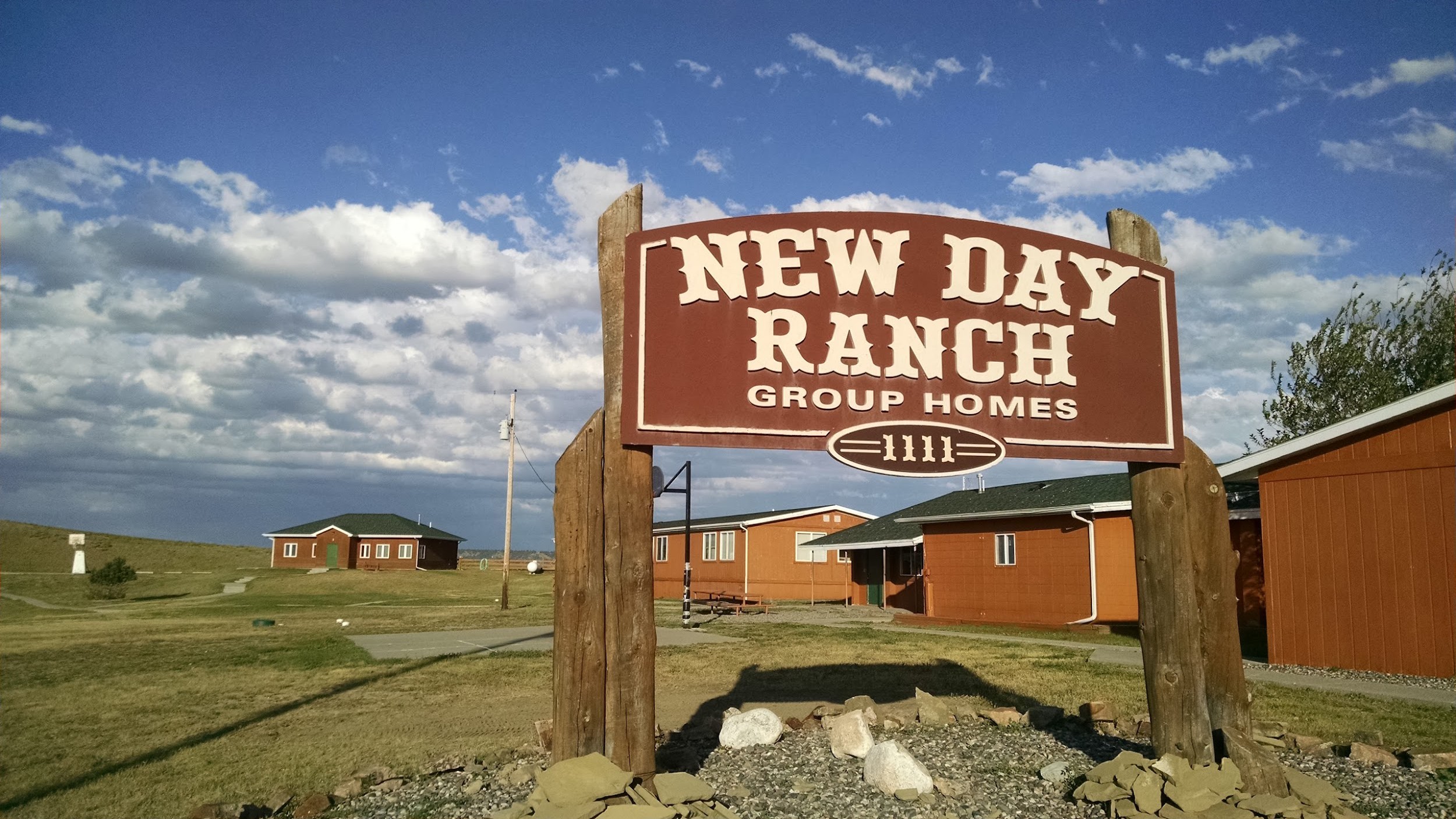
New Day Ranch Coburn Road
Billings, MT
59101

Drug and alcohol rehab in Billings, Montana spans 20 providers across Yellowstone County, from medical detox and residential care to outpatient counseling and sober living. Compare programs by cost, check Medicaid coverage, or find free crisis support close to home.
 800-785-0495
 Sponsored

 Close
Close| Thumbnail | Name | Address | Phone | Treatment | Insurance |
|---|---|---|---|---|---|
|
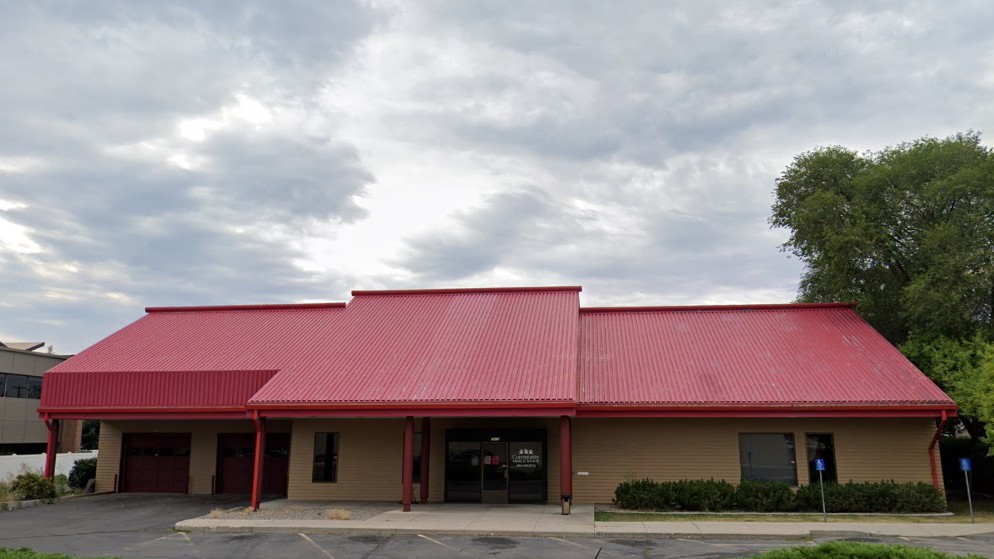
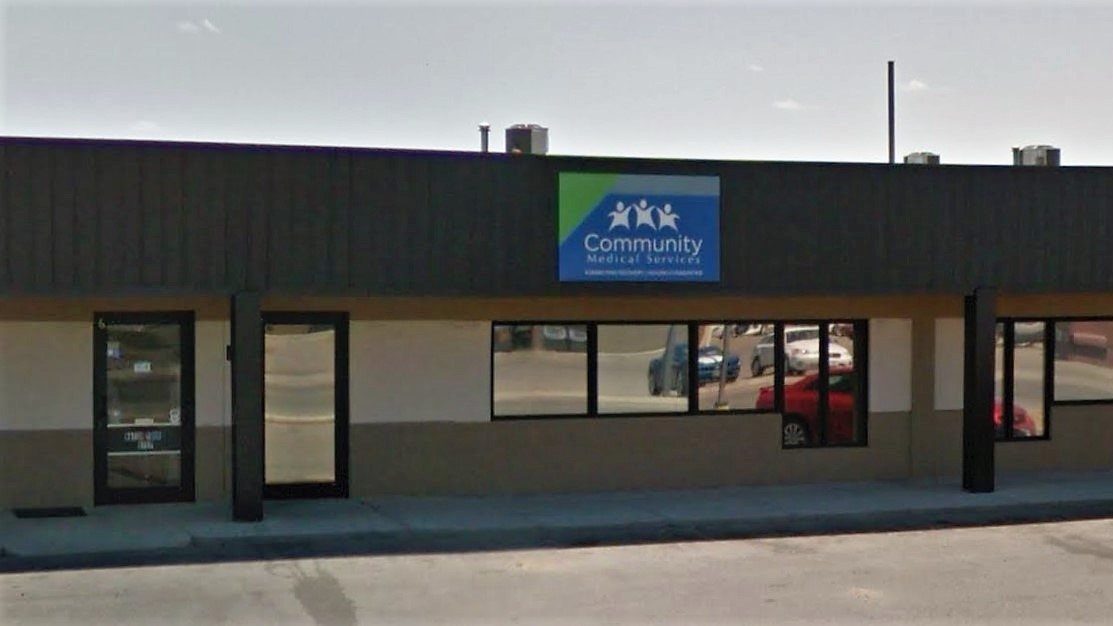
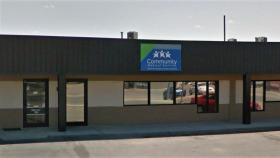
Community Medical Services Billings |
2040 Rosebud Drive Billings, MT 59102 Community Medical Services (CMS) is a local clinic that provides treatment solutions for people struggling with opioid use disorder (OUD) in Billings, Montana. It is part of the larger Community Medical Services network which provides... |
406-969-4812 | Detox Outpatient | N/A |
|
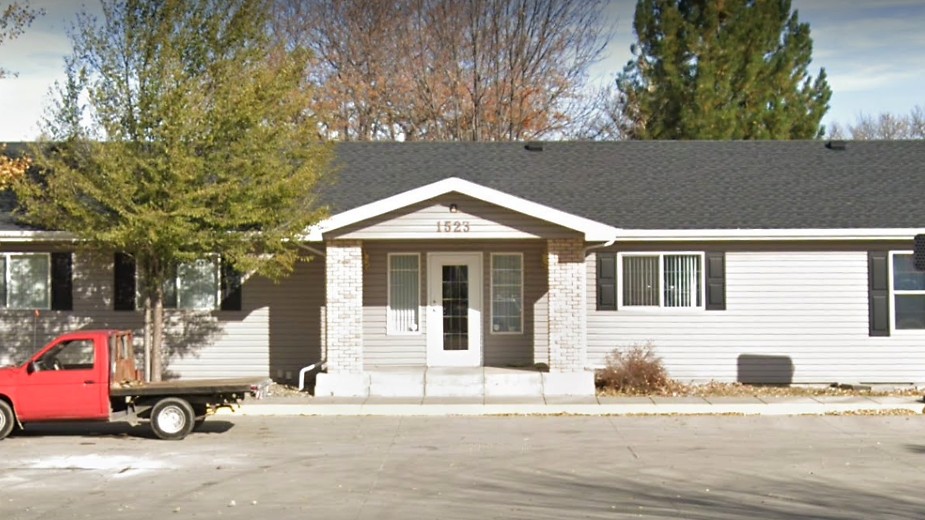
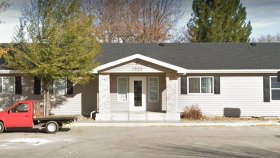
Ideal Option |
1523 Wyoming Avenue, Billings, MT 59102 Ideal Option in Billings, Montana, provides substance use treatment without any overnight stays required. Guests have a judgment-free zone to focus on recovery with a unique care plan that works for them. Treatment Convenience Ideal... |
(877) 522-1275 | Outpatient | Medicaid Private |
|
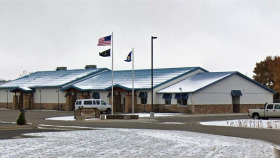
New Day Inc. |
1724 Lampman Drive, Billings, MT 59102 New Day, which is located in Billings, Montana, offers an array of services designed for youth and adults who are in need of substance abuse treatment and dual diagnosis mental health treatment. They offer residential... |
(406) 869-0777 | N/A | Medicaid Private |
|
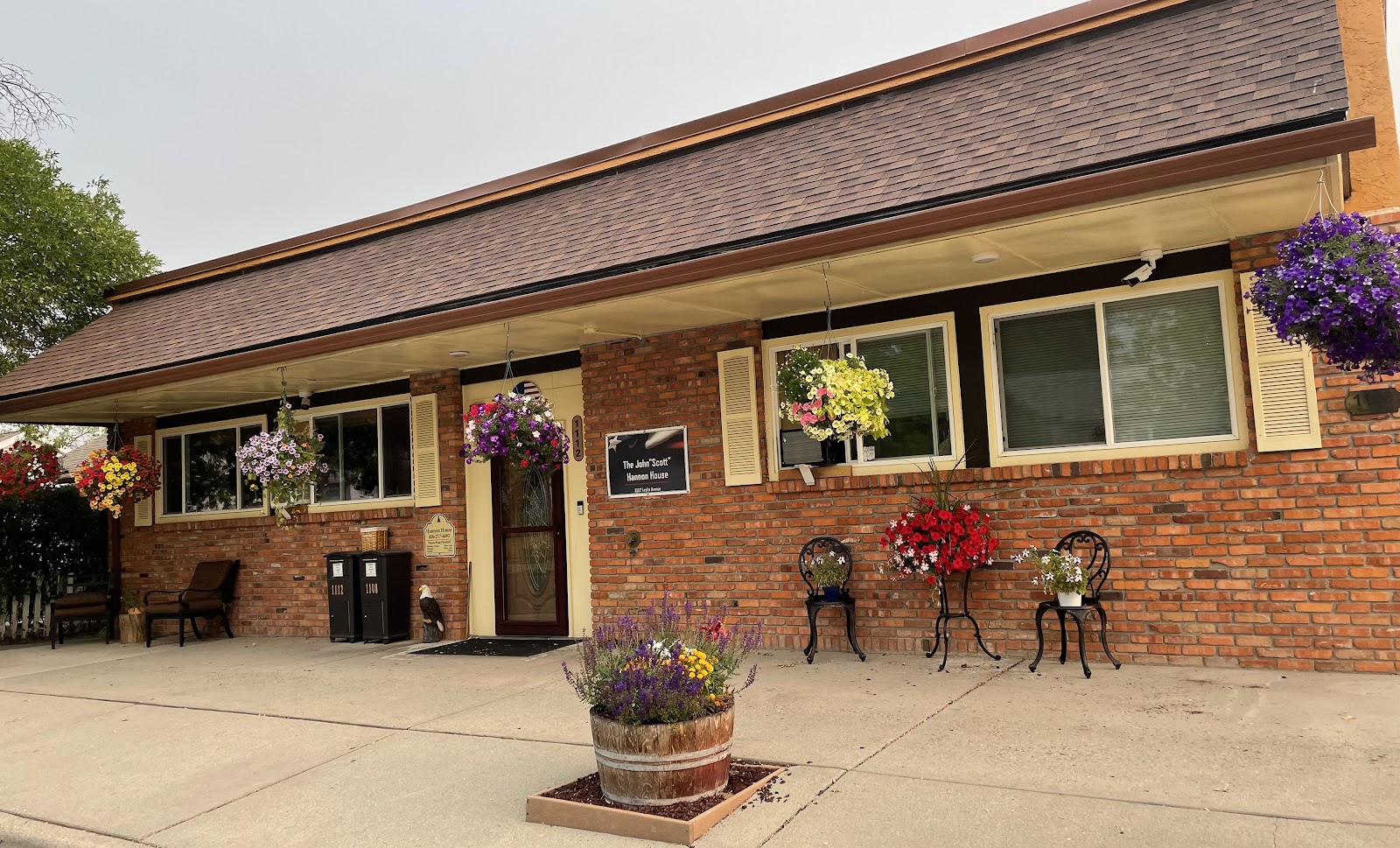
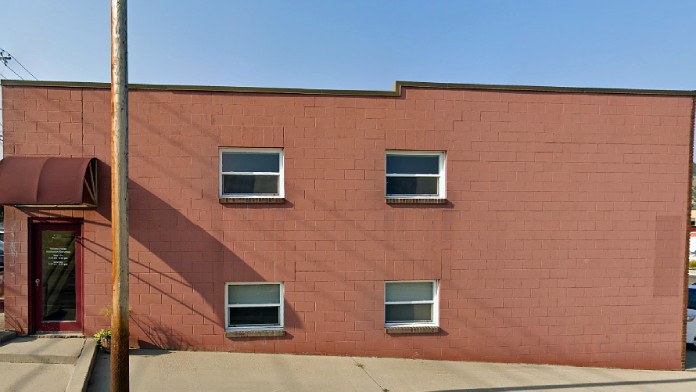
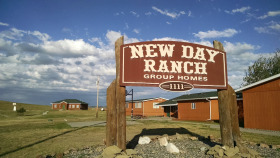
New Day Ranch Coburn Road |
1111 Coburn Road Billings, MT 59101
|
406-254-2340 | Inpatient Outpatient | Medicaid Private |
|
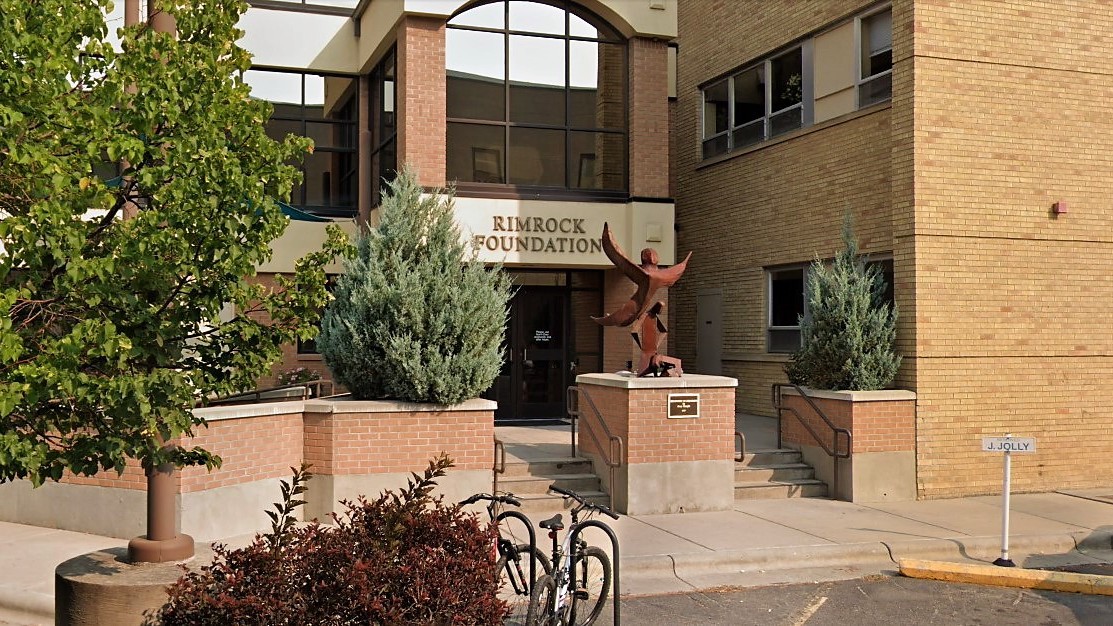
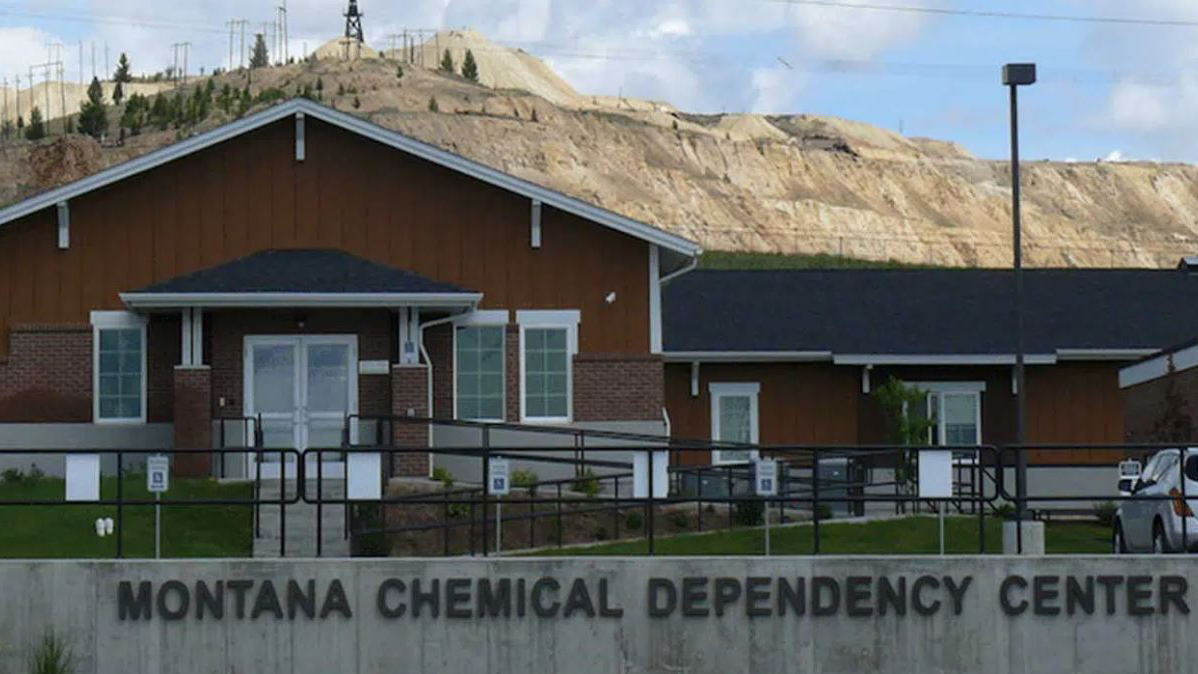
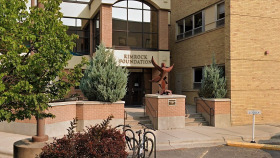
Rimrock Foundation |
1231 North 29th Street Billings, MT 59101 Rimrock Foundation offers a full spectrum of addiction care in Billings, Montana. They have medical detox services, inpatient care, a short term and long term residential program, and various outpatient services. They have a medication... |
406-248-3175 | Detox Inpatient Outpatient | Medicaid Private |
|
|
New Directions Counseling |
1643 24th St W Billings, MT 59102 |
406-294-9606 | Detox Inpatient Outpatient | Private |
|
|
Ignatias House Sober Living |
135 Monarch St Billings, MT 59101 |
Detox Inpatient Outpatient | Private | |
|
|
Billings Addiction Counseling LLC |
208 N 29th St #236 Billings, MT 59101 |
Detox Inpatient Outpatient | Private | |
|
|
Better Times Recovery Services LLC |
1925 Grand Ave Billings, MT 59102 |
Detox Inpatient Outpatient | Private | |
|
|
Rimrock |
1331 1st Ave N Billings, MT 59101 |
Detox Inpatient Outpatient | Private |
View more listings near Billings or search by the letter of cities in Montana.
Our directory is built to help you compare real options, not to sell a single facility. Listings are organized by the details that matter most when you are choosing care: level of care offered, accepted insurance and payment types, accreditation status, and the specialty programs available for specific populations.
We prioritize programs that hold recognized accreditation and appropriate state licensure, disclose their payment and insurance options clearly, and publish accurate service information. We do not accept payment in exchange for a higher ranking. When information cannot be verified through a facility or a public source, we leave it out rather than guess.
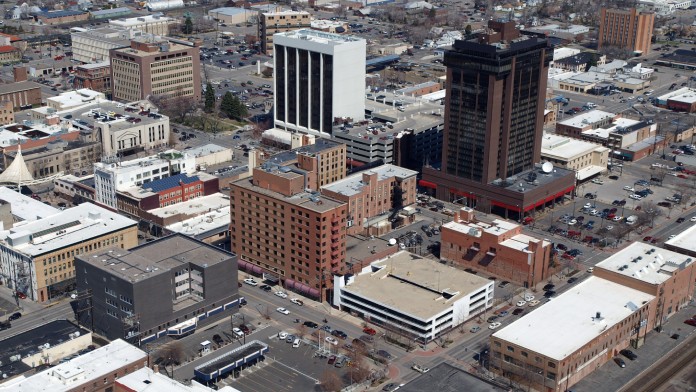
Billings is the largest city in Montana and the seat of Yellowstone County, the state’s most populous county.
Its 20 treatment providers make it the deepest concentration of addiction care in the region, drawing people from across south-central and eastern Montana who often travel long distances for services. You can compare programs here or browse the full Montana rehab directory to see options statewide.
The local behavioral health system is anchored by a few major providers. Rimrock Foundation is the largest drug and alcohol treatment center in the region, offering detox, residential, outpatient, and medication-assisted treatment.
RiverStone Health, the Yellowstone County city-county health department, provides integrated behavioral health counseling and medications for opioid and alcohol use disorder on a sliding fee scale.
The Community Crisis Center serves as the first point of access for anyone in crisis, regardless of ability to pay. To understand how these pieces fit together, it helps to review your addiction treatment options before you call.
In 2025, local organizations formed the Yellowstone County Behavioral Health Coalition to coordinate services across the city’s hospitals, health department, schools, and public safety agencies and to close gaps in the behavioral health continuum, including restarting mobile crisis response.
The effort reflects how much demand has grown alongside the fentanyl supply. Opioids drive much of the local need. Yellowstone County has recorded the highest absolute number of overdose deaths of any Montana county, and fentanyl has become the leading driver of those deaths statewide.
Understanding how fentanyl addiction takes hold, and the treatment that works for it, is often the first step for families in Billings.



Montana is one of the more expensive states for addiction treatment, ranking near the bottom nationally for affordability. The average cost of drug and alcohol rehab statewide is about $62,530 without insurance, and Billings figures generally track the state averages below.
Because Yellowstone County has a higher cost of living than much of rural Montana, expect local pricing at or slightly above these figures, especially for residential care.
These figures reflect full sticker price before any insurance, Medicaid, or sliding-scale reduction, so most people pay considerably less than the totals above.
Verifying your benefits first is the single most useful step, since coverage can move a residential stay from tens of thousands of dollars to a manageable copay. Learn more about using insurance for rehab before you commit to a program.



All 20 Billings providers accept some form of self-payment, and 18 accept private health insurance. Beyond that, the local system is built around public coverage and low-cost options.
Thirteen of the addiction providers accept Montana Medicaid, 10 offer sliding-scale fees, and several accept TRICARE or offer financial assistance. Very few programs anywhere are entirely free, so most people combine coverage sources to make treatment affordable.




Choosing how to pay usually comes down to what coverage you already have and what a given program accepts. The breakdown below walks through the most common paths in Billings.
Six Billings providers accept Medicare, which covers medically necessary addiction treatment including inpatient care, outpatient services, and some medications for people 65 and older or those who qualify through disability. Coverage rules and copays vary by plan, so confirm what your specific plan covers before enrolling.
Montana Medicaid covers substance use disorder treatment, and 13 Billings providers accept it, making it one of the most important payment paths in Yellowstone County. Coverage includes assessment, outpatient and residential treatment, and medications for opioid and alcohol use disorder.
RiverStone Health and Rimrock Foundation both accept Medicaid. If a medication-based approach fits your situation, learn how medication-assisted treatment is covered.
Ten Billings providers accept TRICARE, and the Benjamin Charles Steele VA Clinic in Billings provides outpatient substance use treatment and medication-assisted therapy for eligible veterans. Veterans and active-duty families have additional options through the VA system, and the free resources section below lists local veteran-specific care.
Eighteen providers accept private insurance and all 20 accept self-payment. If you are paying out of pocket, ask each program about total cost, payment plans, and whether the quoted price includes detox. Blue Cross Blue Shield, Cigna, and UnitedHealthcare are among the most widely accepted carriers in Montana.
Ten providers offer sliding-scale fees based on income and 8 offer financial assistance. RiverStone Health, the county health department, uses a sliding fee scale for behavioral health services, which can substantially lower costs for uninsured and underinsured residents.
Free treatment is limited but available in specific circumstances, often through scholarships, grant-funded slots, or the Community Crisis Center’s no-cost stabilization services. If cost is the main barrier, ask each program directly about scholarship availability and read our overview of rehab scholarships.
Billings offers the full continuum of addiction care, with 9 providers offering medical detox, 11 offering inpatient or residential treatment, 18 offering outpatient services, and 13 offering dual-diagnosis care for co-occurring mental health conditions. Two providers operate sober living homes.


Medical detox is the supervised first step for people physically dependent on alcohol, opioids, or benzodiazepines, managing withdrawal safely before further treatment begins. Rimrock Foundation provides withdrawal management and medical detox in Billings. Read more about what to expect during medical detox.
Inpatient and residential rehab provides 24-hour care in a live-in setting, which suits more severe cases or people who need distance from a high-risk environment. Learn how residential treatment is structured.
Outpatient rehab, the most widely available level in Billings, lets people live at home while attending scheduled treatment, ranging from standard weekly counseling to intensive outpatient programs. See how outpatient rehab and intensive outpatient programs compare.
Dual-diagnosis programs treat addiction alongside conditions such as depression or anxiety at the same time, which improves outcomes when both are present. Explore how treatment addresses co-occurring depression.
Sober living homes offer a structured, substance-free residence after formal treatment ends, supporting the transition back to daily life. Understand the role of continuing care in long-term recovery.
Many Billings providers tailor treatment to specific groups, which can make care feel more relevant and reduce barriers to staying engaged. The counts below reflect programs serving these populations across the city’s 20 facilities.






Twelve providers offer programs focused on alcohol use disorder, reflecting Montana’s persistently high rates of alcohol-related harm.
Six offer programs for opioid use disorder, the area’s fastest-growing treatment need. Four programs describe themselves as LGBTQ+ affirming, and two provide dedicated care for veterans and military members and their families.
Cost should not keep anyone in Billings from getting help. The resources below offer crisis support, low-cost treatment, and harm-reduction services, many at no charge and regardless of insurance status. If you or someone you know is in immediate danger, call 988 for the Suicide and Crisis Lifeline. Our crisis support resources can help you know what to expect.
Yellowstone County carries the heaviest overdose burden in Montana, recording the highest absolute number of overdose deaths of any county in the state during both the 2014-2018 and 2019-2023 periods.
Fentanyl and methamphetamine are the two dominant drivers, and the local trend has climbed sharply alongside the statewide fentanyl supply.
The county-level picture reflects statewide trends: Montana drug overdose deaths rose 37% over the past decade, and about three-quarters of the roughly 216,000 Montanans who need treatment each year do not receive it.
Opioids are involved in more than two-thirds of all Montana overdose deaths, which is why local opioid treatment and naloxone access have become central to the community response. For national context, see our substance use statistics.