


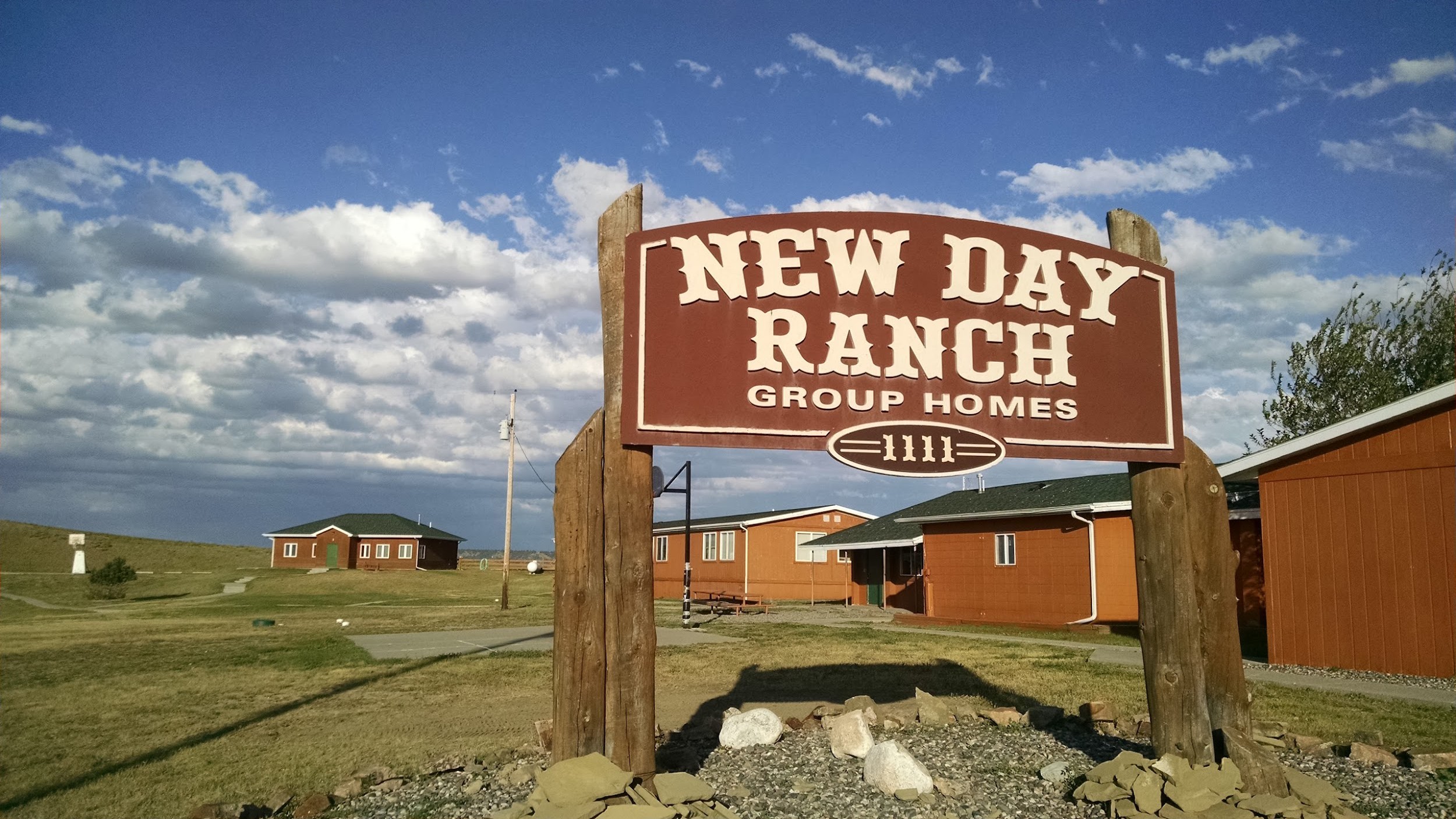
New Day Ranch Coburn Road
Billings, MT
59101

Compare drug and alcohol rehab centers in Missoula, Montana by level of care, specialty program and how you plan to pay. With medical detox, inpatient and outpatient options across Missoula County, along with free naloxone and county harm-reduction services, this directory helps you find the right starting point for treatment.
 800-785-0495
 Sponsored

 Close
Close| Thumbnail | Name | Address | Phone | Treatment | Insurance |
|---|---|---|---|---|---|

|
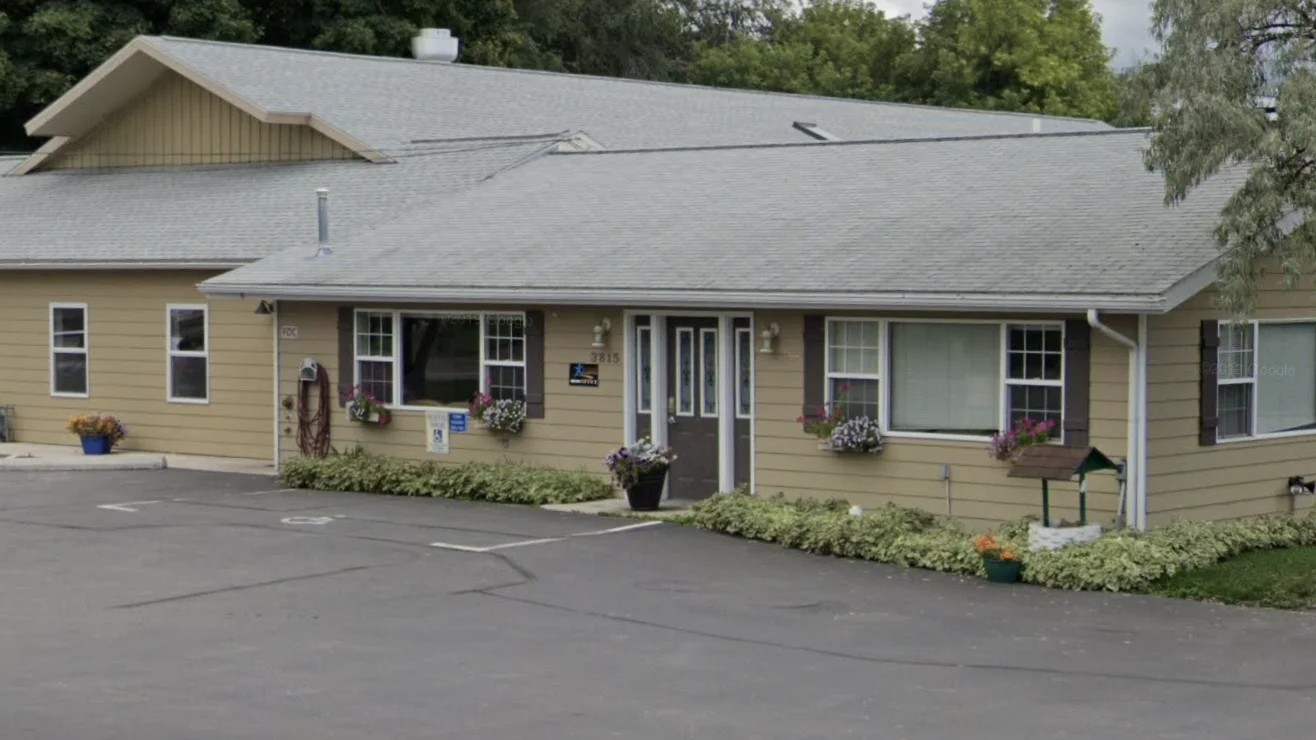
Pacific Northwest Adult and Teen Challenge Missoula Womens Campus |
3815 South 7th Street West Missoula, MT 59804 The Missoula Women’s Campus offers women struggling with drug and alcohol addictions a residential treatment and discipleship program. Located in western Missoula, Montana, near the Clark Fork River, this residential facility has space for up... |
406-543-1912 | Inpatient | Private |
|
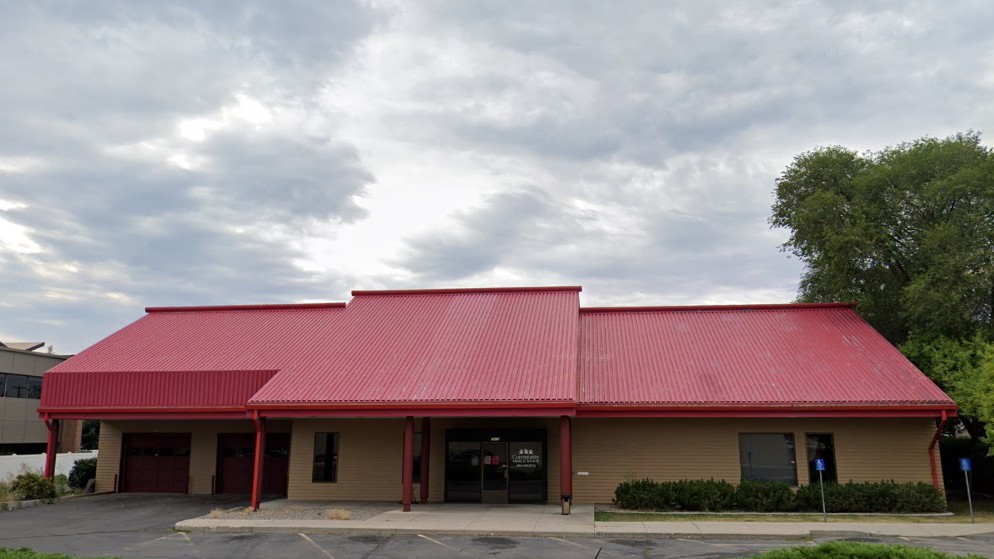
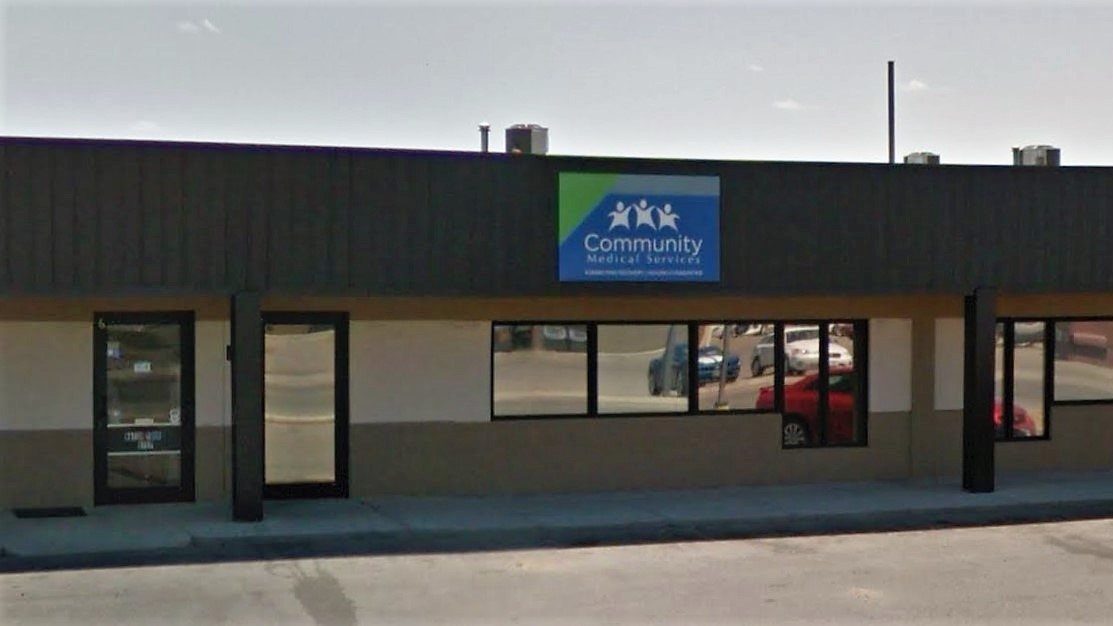
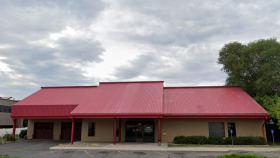
Community Medical Services Missoula |
2415 South Catlin Street Suite 4 Missoula, MT 59801 Located in Missoula, Montana, is the Community Medical Services Missoula clinic. They are a provider of opioid abuse treatment, helping men and women receive access to medication assisted treatment, counseling and support services they need... |
406-549-0114 | Detox Outpatient | Private |
|
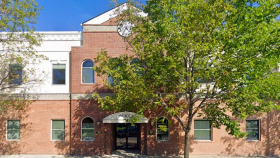
Cedar Creek Integrated Health |
2620 Connery Way Missoula, MT 59808 Cedar Creek Integrated Health (Cedar Creek), situated in the serene backdrop of Missoula, Montana, offers compassionate care to individuals who are seeking a path to greater wellness. We like that they heavily focus on the... |
406-203-9948 | Detox Inpatient Outpatient | Private |

|
Winds of Change Addiction & Mental Health Center |
3000 Palmer Street, Suite B, Missoula, MT 59808 Winds of Change is a part time substance use and mental health disorder treatment facility in the vibrant town of Missoula, Montana. You’ll find them in a commercial district close to the Clark Fork River.... |
(406) 541-4673 | Outpatient | Medicaid |
|
|
Crosswinds Recovery |
2001 S Russell St Missoula, MT 59801 Crosswinds Recovery offers substance abuse treatment for adults. If you're out in Montana, feel free to drop by and see 'em in Missoula. Their staff understands that recovery is an ongoing journey, and they want... |
406-830-4167 | Detox Inpatient Outpatient | Private |
|
|
Ideal Option Missoula |
2685 Palmer St #D Missoula, MT 59808 In Missoula, Montana, you’ll find Ideal Option. It's where folks go if they're dealing with tough challenges like mental health disorders or substance abuse. Ideal’s main service is medication assisted treatment (MAT). This addresses withdrawal... |
877-522-1275 | Detox Inpatient Outpatient | Private |
|
|
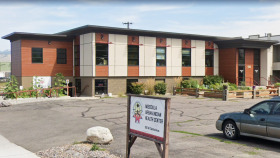
Recovery Center Missoula |
1321 Wyoming St Missoula, MT 59801 Western Montana Mental Health Center, located in picturesque Missoula, Montana, knows you have dreams and they’re here to help make those dreams a reality. Asking for help can be scary but they will meet you... |
406-532-8400 | Detox Inpatient Outpatient | Medicaid Private |
|
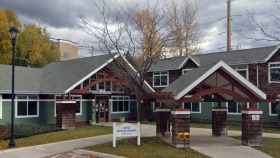
All Nations Health Center |
830 West Central Avenue Missoula, MT 59801 |
406-829-9515 | Outpatient | Medicaid Private |
|
Western Montana Addiction Services |
1325 Wyoming Street Missoula, MT 59801 |
Outpatient | Medicaid Private | |
|
|
Petty Creek Ranch |
2161 Petty Creek Rd Missoula, MT 59820 |
406-722-3226 | Detox Inpatient Outpatient | Private |
|
|
Teen Challenge |
3815 S 7th St W Missoula, MT 59804 |
406-543-1912 | Detox Inpatient Outpatient | Private |
|
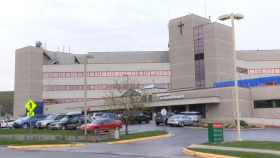
Providence Saint Patrick Hospital Neurobehavioral Medicine |
902 North Orange Street Suite 202 Missoula, MT 59802 |
Inpatient Outpatient | Medicaid Private | |
|
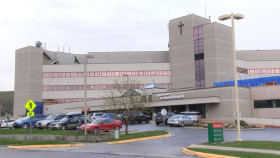
Providence Urgent Mental Health Clinic |
900 North Orange Street, Suite 102, Missoula, MT 59802 |
Inpatient Outpatient | Medicaid Private | |
|
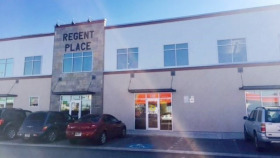
AWARE Missoula |
2300 Regent Street Suite 103 Missoula, MT 59801 |
Outpatient | Medicaid Private | |
|
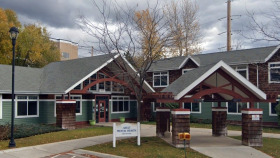
Western Montana Mental Health Center Missoula Adult |
1315 Wyoming Street Missoula, MT 59801 |
Inpatient Outpatient | Medicaid Private |
Our directory is built to help you compare real treatment options in Missoula, not to sell a single program. Each listing is organized around the details that matter most when you are choosing care, such as the levels of care offered, the substances and populations a facility specializes in, the payment types accepted and any accreditation or state licensing the program holds.
We prioritize facilities that publish clear, verifiable information about their services and credentials. Listings that carry recognized accreditation, such as the Joint Commission or CARF, or that hold current state licensing through the Montana Department of Public Health and Human Services, are surfaced with those signals noted so you can weigh them yourself.
We do not rank programs by advertising spend, and we use the same criteria for every facility on the page.
Missoula sits in Missoula County in western Montana and is the second-largest city in the state. Treatment options are anchored by the University of Montana and by St. Patrick Hospital and the Partnership Health Center network. The county’s twenty listed facilities span the full continuum of care, from medical detox and residential treatment through standard outpatient and medication for opioid use disorder.
You can also browse rehab centers across Montana if you want to compare Missoula against other parts of the state, or read more about addiction treatment options before you start calling programs.
Local behavioral health capacity is concentrated in a handful of well-known providers. Partnership Health Center, the county’s federally qualified community health center, offers outpatient care and medications for opioid use disorder. Community Medical Services operates the area’s opioid treatment program with methadone and buprenorphine.
Furthermore, Western Montana Mental Health Center, Winds of Change and Recovery Center Missoula add mental health treatment, case management and residential care, and the University of Montana’s Curry Health Center serves enrolled students.
Missoula County has felt the same fentanyl-driven shift seen across the state. Of the overdose deaths reported in the county in 2023, more than half were linked to fentanyl, and county opioid overdose deaths rose sharply over the prior few years. That trend is why so much local energy has gone into harm reduction, including a county naloxone distribution effort and syringe services, alongside traditional treatment.
If opioids are part of your struggle, it helps to understand opioid use disorder and the treatment options that address it.
There is no single price for rehab in Missoula, and the total depends on the level of care, the length of the program and whether you use insurance. Montana ranks near the bottom nationally for treatment affordability, with a statewide average cost of roughly $62,530 for drug and alcohol rehab without insurance, so it helps to know the state-level figures before you compare local programs.
Missoula’s cost of living runs at or above the Montana average, so in-city private-pay rates may sit toward the higher end of these ranges.
Most people in Missoula do not pay these full amounts out of pocket. Insurance, Medicaid, sliding-scale fees and grant-funded programs all lower the real cost, and verifying your benefits before you enroll is the single best way to understand what you will owe.
If you are weighing a residential stay against a lower-cost option, comparing inpatient rehab and outpatient rehab side by side is a good place to start.






Across the twenty facilities listed in Missoula, payment options are broad enough that cost does not have to be the reason you delay care. Every listed facility accepts self-payment, most accept private insurance and a majority accept Montana Medicaid. Sliding-scale fees, financial assistance and TRICARE for military families widen the options further.






The right payment path depends on your coverage and income. The sections below break down the most common options in Missoula.
Nine Missoula facilities accept Medicare, which covers addiction treatment for adults 65 and older and for some younger people with qualifying disabilities. Coverage typically includes inpatient care, outpatient services and counseling when they are medically necessary. Because benefits and prior-authorization rules vary by plan, it is worth confirming the specifics before you enroll.
You can read more about using insurance for rehab to understand what to ask.
Thirteen Missoula facilities accept Montana Medicaid, the largest single payer for substance use treatment in the state. Montana expanded Medicaid in 2016 through the HELP Program, and the state’s HEART Waiver has since broadened Medicaid-covered behavioral health services, including medication for opioid use disorder and treatment in larger facilities.
For opioid use disorder, Medicaid can cover medication-assisted treatment at programs like Community Medical Services and Partnership Health Center.
Eight Missoula facilities accept TRICARE, the health program for active-duty service members, veterans and their families. Missoula also has a veterans treatment court and VA-connected services for justice-involved veterans, so if you or a family member served, ask each program how it coordinates with military benefits.
Eighteen facilities accept private health insurance, and all twenty accept self-payment. If you have an employer or marketplace plan, addiction treatment is a covered essential health benefit, though your out-of-pocket cost depends on your deductible, copays and whether the facility is in network.
Verifying your benefits coverage ahead of time keeps you from being surprised by a bill in the future.
Six facilities offer sliding-scale fees that adjust the price to your income, and fourteen offer some form of financial assistance. Community health centers such as Partnership Health Center use income-based fee scales and several nonprofit and state-funded programs draw on grant money to serve people who are uninsured or underinsured.
One Missoula facility offers fully free treatment, and additional no-cost services exist outside the traditional treatment system, including free naloxone and harm-reduction supplies. If cost is the main barrier, our guide to rehab scholarships and free treatment options explains other ways to fund care.
Missoula offers a full continuum of care, with nine medical detox facilities, thirteen inpatient programs and seventeen standard outpatient clinics, plus dual-diagnosis and sober-living options. The right level depends on the severity of the substance use, whether medically supervised withdrawal is needed and how much daily structure will help.






Medical detox is often the first step when the body has become physically dependent, providing supervised withdrawal management before further treatment. Programs like Community Medical Services offer opioid detox on an outpatient basis. Learn more about what to expect from medical detox.
Inpatient and residential programs provide 24-hour care in a structured setting and suit people who need to step away from daily triggers. Recovery Center Missoula runs an integrated residential program in western Montana. Read more about residential treatment.
Partial hospitalization sits between residential and outpatient care, offering intensive daytime treatment while you return home at night. See how partial hospitalization works.
Standard outpatient care is the most widely available option in Missoula and lets people keep working or attending school while in treatment. Explore outpatient rehab and intensive outpatient programs.
Dual-diagnosis programs treat a substance use disorder alongside a co-occurring mental health condition such as depression or anxiety at the same time, which improves outcomes for many people. If a mental health condition is part of the picture, understanding co-occurring depression can help you ask the right questions.
Sober living and continuing care support the transition back to daily life after a program ends. Our guide to rehab aftercare covers what comes next.
Many Missoula facilities tailor treatment to specific populations and substances, which can make care feel more relevant and effective. The counts below reflect programs in the directory that flag a given specialty.







Fourteen programs focus on alcohol use disorder, and nine address opioid use disorder, reflecting the two substances most present in local overdose and treatment data. Four programs describe themselves as LGBTQ+ affirming addiction care and two offer rehab resources for veterans and military families.
With the University of Montana in town, several programs also serve young adults and college students navigating substance use.
Alongside licensed treatment facilities, Missoula has a strong network of free and low-cost services, from crisis lines to county public health programs and harm-reduction outreach. The organizations below can help whether you need immediate support, naloxone or a connection to ongoing care.
Missoula County’s overdose picture mirrors a statewide shift toward fentanyl. Of the overdose deaths reported in the county in 2023, more than half were linked to fentanyl. Statewide, Montana recorded 170 overdose deaths in 2024, with an opioid involved in three in five, or 62% of cases.
These figures underscore why access to opioid use disorder treatment and harm-reduction services matters locally. For national context and how Montana compares, see our national substance use statistics.