








Expert Insights
The opioid epidemic has drawn a lot of attention to drug overdoses in Detroit. A majority of the overdose deaths that have occurred in the Motor City over the past decade have involved opioids. But as this threat looms, we can’t let other threats get lost in its shadow. The fact is, 41% of Detroit overdose deaths involve cocaine. This drug is the second most abused substance in Wayne County. And it’s second to alcohol, not opioids. As we focus on outreach and treatment from the 130 drug rehab centers available in Detroit, let’s keep these “smaller” threats in mind.
~ Kerry Nenn
Cost of Drug Rehab in Detroit
The cost of addiction treatment in Detroit varies by facility and several other variables, including:
- Whether the rehab or detox center you want to enroll in accepts your insurance
- The type of addiction setting you need (inpatient vs. outpatient)
- The type of facility you attend (luxury vs. standard)
- Program duration (30 vs. 60 vs. 90 days or longer)
- Whether you need to undergo medical detox, which will add time and additional expense to your program
Fortunately, you have several payment options for addiction treatment in Detroit. Private insurance, Medicaid, Medicare, scholarships, income-based programs, and payment plans can make getting help significantly more affordable.
Low-Cost and Free Drug Rehab Centers in Detroit
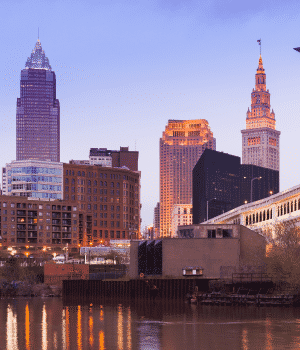 If your financial situation makes paying for care difficult, you may be eligible for low-cost or free care at one of Detroit’s state-funded facilities. State-funded addiction treatment centers in Detroit receive their funding via Michigan tax dollars. This government funding allows these facilities to offer services at a reduced cost or completely free, depending on your situation.
If you’re interested in seeking reduced-cost care at a state-funded facility, be prepared to prove that you:
- Are a legal resident of the United States
- Are a resident of Michigan
- Do not have insurance, or your insurance is inadequate
- Do not have enough income to cover the cost
- Have an addiction or mental health diagnosis
Does Insurance Cover Rehab Center Costs?
Yes – if you carry health insurance, you can also use your plan to help cover the cost of your care. The Affordable Care Act classifies addiction and mental health care as essential health benefits. This means all insurance providers—private insurers, Medicaid, and Medicare—must provide some degree of coverage.
However, not all drug rehab centers in Detroit accept all forms of health insurance. You’ll need to verify your coverage with each addiction treatment center to determine if the provider is in-network with your plan.
Resources
- Detroit Overdose Surveillance. (2021). https://detroitmi.gov/sites/detroitmi.localhost/files/2021-12/2021%20Report%20%28Detroit%20Overdose%20Surveillance%202012-2020%29.pdf
- National Institute on Drug Abuse. (2020). Michigan: Opioid-Involved Deaths and Related Harms.
- Michigan Department of Health and Human Services. (2020). 2020 Substance Use in Michigan – Impact of the Pandemic.
- National Drug Early Warning System. (2020). Wayne County (Detroit Area) Drug Use Patterns and Trends, 2020.
- National Institute on Drug Abuse. (2020). Part 1: The Connection Between Substance Use Disorders and Mental Illness.