



Palm Beach County is taking a bold new approach to addiction treatment that has never been tried before in Florida.
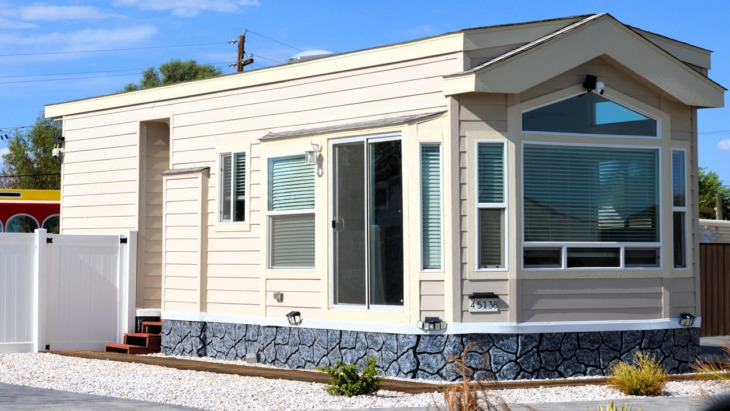
County commissioners have unanimously approved a pilot program to build tiny homes for people recovering from substance abuse, keeping them connected to addiction recovery centers in Palm Beach County around the clock, not just during business hours.
The $500,000 funding comes directly from the county’s opioid settlement funds, meaning no new taxpayer dollars will be used.
What the Tiny Homes Program Looks Like
The pilot will place four to five small homes, each roughly 250 square feet, on the property of a local nonprofit treatment center. The homes are built to Miami hurricane standards, making them sturdy but intentionally temporary.
Commissioner Maria Sachs, the driving force behind the initiative, described the goal simply. Residents stay near their treatment program while they get sober and train for jobs.
“Don’t let them treat and street,” Sachs said, explaining that recovery doesn’t follow a 9-to-5 schedule. “Sometimes it’s worse at night, early in the morning. But if you have a little tiny house right there where they continue their treatment,” she added, residents have a safe place to weather those difficult moments.
Why Continuous Support Matters in Addiction Recovery
One of the biggest risk factors for relapse is the gap between completing a treatment program and returning to everyday life.
For many people struggling with addiction, going back to an unstable living situation or back to the same environment where drug use occurred can undo weeks or months of progress.
This is why addiction specialists emphasize step-down care: a gradual transition that keeps people connected to support services while they rebuild their lives.
Signs that someone may need this level of ongoing support include:
- Difficulty maintaining stable housing after treatment
- History of relapse after leaving inpatient or residential programs
- Limited employment history or job skills
- Social isolation or lack of sober support networks
The Palm Beach County model directly addresses these risk factors by combining housing, 24/7 support services, and job training in one place.
A First-of-Its-Kind Model in Florida
This type of recovery housing program has not been done before in Florida, according to county officials. While tiny home villages for unhoused populations exist in other states, Palm Beach County’s approach ties the housing directly to active treatment, not just shelter.
Commissioner Sachs was deliberate about avoiding the mistakes of similar programs elsewhere. Rather than clustering dozens of homes in one industrial area, a model she says can create isolated, stigmatized communities. The county plans to place just a few homes at a time, near treatment centers and churches.
“I don’t think it works because then you have like a ghetto area,” Sachs said. “What I’ve learned is not to put so many in one area but just a couple right where they’re getting treatment.”
The county is currently in discussions to identify which nonprofit will host the homes and which individuals will be selected to participate. Sachs expressed confidence in treatment professionals to determine the best candidates for the program.
Understanding Opioid Addiction in Palm Beach County
Opioid addiction, including addiction to prescription painkillers, heroin, and synthetic opioids like fentanyl, remains one of the most serious public health crises in South Florida.
Palm Beach County has been among the hardest-hit communities in the state, which is why opioid settlement funds are being directed toward innovative recovery solutions like this one.
Common signs of opioid addiction include:
- Inability to stop or reduce use despite wanting to
- Withdrawal symptoms when not using (sweating, nausea, agitation)
- Neglecting responsibilities at work, school, or home
- Continuing use even after experiencing negative consequences
If you recognize these signs in yourself or a loved one, connecting with addiction treatment options nearby is a critical first step.
Finding Addiction Treatment in Palm Beach County
The tiny homes pilot is one piece of a larger recovery ecosystem in the region. For those actively looking for help, a range of drug rehabs in Palm Beach County offer services including detox, residential treatment, outpatient programs, and medication-assisted treatment (MAT).
You can search addictions.com’s list of rehab centers for a broader look at what’s available to you. You can also call
800-681-1058
( Sponsored)
to speak with someone about your options.
Sponsored)
to speak with someone about your options.