


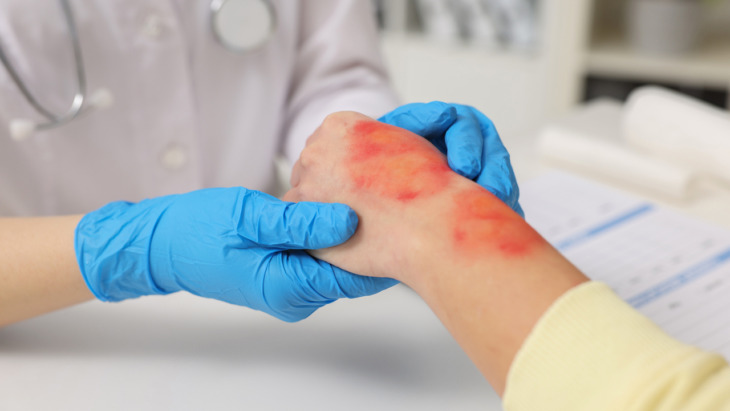
Fentanyl addiction in Oregon is now being linked to a devastating and previously underreported danger: severe, life-threatening burns.
A new study from Oregon researchers is the first to measure this risk and the findings have serious implications for patients, families and addiction treatment providers across the state.
Surgeons and addiction specialists at Legacy Emanuel Medical Center and Oregon Health & Science University (OHSU) published the research this month in JAMA Internal Medicine. Their goal was to understand a troubling pattern they were seeing in Portland emergency rooms and burn units.
What Oregon Researchers Found
Dr. Mark Thomas, a burn surgeon at the Oregon Burn Center in Portland, described treating multiple patients in a single week and a half who burned themselves badly while smoking illicit drugs.
One patient died. These cases often show a distinctive injury pattern: burns confined to a small area of the body but penetrating deeply into muscle, tendons and even bone.
Understanding Fentanyl Addiction
Fentanyl is a synthetic opioid that is approximately 50 times more potent than heroin. It is now the leading drug involved in overdose deaths across the United States.
Signs of fentanyl addiction include intense cravings, drowsiness or nodding off unexpectedly, pinpoint pupils, slowed breathing, confusion and continued use despite serious consequences.
The extreme sedating power of fentanyl is central to the burn risk researchers identified. Dr. Thomas and Dr. Honora Englander, director of the addiction care team at OHSU, believe the locking mechanism on butane torches is particularly dangerous for people smoking fentanyl.
“The potency of fentanyl overwhelms your system,” Thomas said. “If you don’t have control of that heating source, you’re going to get severely injured.”
Why Smoking Fentanyl Has Become More Common
The United States is experiencing a major shift in how people use opioids, with smoking gaining popularity, a trend experts believe started on the West Coast and spread nationally.
A CDC study found that by 2022, smoking had overtaken injection as the leading route of drug use involved in overdose deaths in the U.S.
Smoking carries some harm reduction benefits over injection, it is less likely to transmit diseases like HIV and hepatitis C, or to cause abscesses or heart valve infections.
However, the Oregon study makes clear that smoking fentanyl carries its own serious, underappreciated risks.
The Torch Problem
Oregon researchers interviewed 19 people who smoked fentanyl and methamphetamine for the study. All said butane torches, larger than standard lighters, were popular because they work better in wind and produce what users described as a “crisper, cleaner hit.”
Many of those torches have a flame lock, a switch that keeps the flame burning continuously, leaving users’ hands free. Participants said burns can happen when a person passes out with the torch lock on.
One study participant described watching a friend remain asleep while a torch burned through his hand.
Dr. Englander’s harm reduction message to patients is direct: a standard lighter is far safer than a locking butane torch.
She also noted that the widespread availability of torches with a locking function is something policymakers should consider changing.
The Lasting Impact of Burns on Recovery
Beyond the immediate physical danger, burn injuries can make the path to recovery harder. Thomas noted that recovering from a major burn creates mobility issues, chronic pain and changes in appearance.
“It leads to physical and mental trauma for the patient, no matter who they are,” he said. Recovery is still possible. Thomas described one patient, a young man who required a leg amputation, who has been sober for two years and recently got his first job and first apartment.
Finding Fentanyl Addiction Treatment in Oregon
If you or someone you love is struggling with fentanyl addiction in Oregon, help is available. Signs of addiction, including failed attempts to quit, continued use after injury or health problems, and withdrawal symptoms, are reasons to seek professional treatment right away.
Medically supervised detox and medication-assisted treatment (MAT) with buprenorphine or methadone are proven options for opioid addiction.
Addictions.com lists verified rehab centers across Oregon. Call
800-681-1058
( Sponsored)
to speak with a local treatment specialist today.
Sponsored)
to speak with a local treatment specialist today.