Locate Baltimore, Maryland facilities that provide inpatient rehab, outpatient counseling, alcohol detox, and substance abuse treatment. Get help with opioid addiction, co-occurring disorders, and recovery planning.
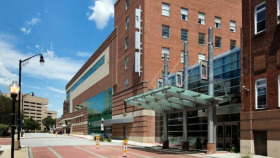
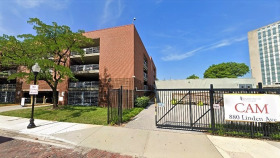
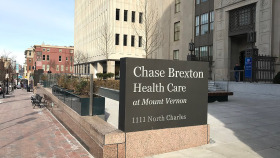
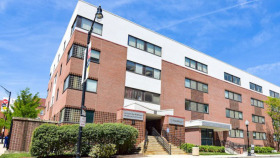
If you’re looking for real and accessible help for addiction in Baltimore, Maryland, the University of Maryland Medical Center Midtown Campus is honestly a really solid place to start. Their Center for Addiction Medicine (CAM)...
If you’re looking for real and accessible help for addiction in Baltimore, Maryland, the University of...
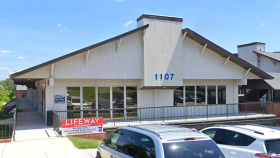
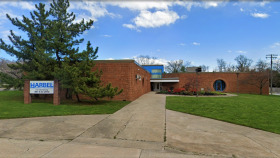
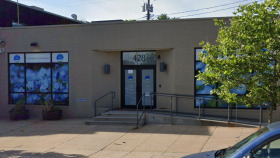
Mountain Manor Outpatient Services Maryland Treatment Centers provides substance abuse care for adolescents and adults in Baltimore, Maryland. This location offers outpatient care, but they can refer guests needing higher-level treatment to their inpatient services....
Mountain Manor Outpatient Services Maryland Treatment Centers provides substance abuse care for adolescents and adults in...
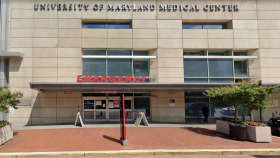
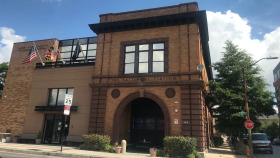
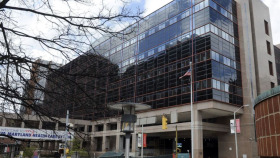
University of Maryland Medical Center (UMMC) is a full-service hospital that offers substance use treatment as part of their psychiatry services. You can find them in Baltimore, Maryland. This location also houses the Emergency Department...
University of Maryland Medical Center (UMMC) is a full-service hospital that offers substance use treatment as...
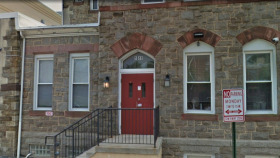
UM Addiction Treatment Center is run by the University of Maryland and is situated in downtown Baltimore, Maryland. Their addiction treatment services are aimed at alcohol and drug addiction, including heroin, fentanyl and prescription medication...
UM Addiction Treatment Center is run by the University of Maryland and is situated in downtown...
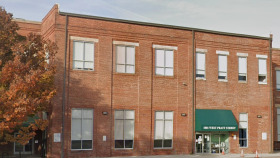
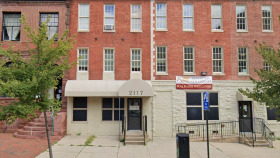
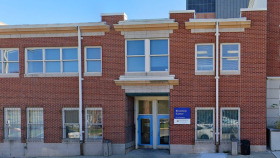
UM Midtown Professional Building is a private drug and alcohol addiction treatment center in the University of Maryland Medical Center (UMMC) system located in Baltimore, Maryland. They offer outpatient treatment, outpatient medical detox, medication assisted...
UM Midtown Professional Building is a private drug and alcohol addiction treatment center in the University...
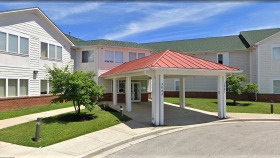
Based in Baltimore, Maryland, The Baltimore Station provides a completely free residential substance use program for veterans in need, wherever they are in the country. Group and individual counseling helps clients discover the underlying causes...
Based in Baltimore, Maryland, The Baltimore Station provides a completely free residential substance use program for...
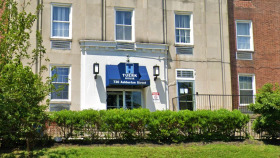
A subsidiary of Total Health Care, Tuerk House Main Campus is located in Baltimore, Maryland. The organization is accredited by the Joint Commission and is open seven days a week. Transportation is provided to help...
A subsidiary of Total Health Care, Tuerk House Main Campus is located in Baltimore, Maryland. The...
I recently read a news article that perfectly illustrates the unfortunate breakdown in communication, lack of planning, and unwillingness to cooperate when government programs are launched – particularly those meant to combat opioid addiction and accidental opioid overdoses.
We have a wealth of data showing drug overdose is among the top causes of death when people are released from jail. That’s why lawmakers in Maryland passed a bill that requires all correctional facilities to screen inmates for opioid addiction and offer three types of FDA-approved medication (methadone, buprenorphine and naltrexone) that stop cravings and withdrawal symptoms.
What’s mind boggling is the fact that this law was passed in 2019, yet here we are in 2023 and less than half of the local governments – and Baltimore City as a whole – have yet to comply with the law. Several lawmakers associated with the bill have publicly voiced anger in learning the legislation has been “ignored,” but a better question might be why did it take four years for anyone to notice?
Of course, jail administrators and local officials say they have good reasons for noncompliance – namely lack of funding, staff shortages, and regulatory problems centered around medication administration. If Maryland and Baltimore City are truly serious about saving lives post-incarceration, the disorganization must stop and the noncompliance can no longer be tolerated.
~ Kerry Nenn
Resources
Baltimore City Health Department. (2022). Substance Use Disorder.
Substance Abuse and Mental Health Services Administration. (September, 2020). Results from the 2019 National Survey on Drug Use and Health.
National Library of Medicine. Blanco, Laura et al. (August 6, 2020). Traumatic Events in Dual Disorders: Prevalence and Clinical Characteristics.Journal of clinical medicine 9,8 2553.
Maryland.Gov. (2022). New Law Expands Naloxone Access to All Marylanders
Other Maryland Rehab Centers
Author
Kerry Nenn, BSW
Expert Author, Editor
Read Bio
Kerry Nenn is a full-time writer whose 10 published books include self-improvement and children’s titles. She has written and edited extensively in the addiction/recovery and nonprofit sectors. She also contributes regularly to international journal publications and industry-leading websites. Her work has received awards locally and nationally.
Medical Reviewer
Sendra Yang, PharmD, MBA
Medical Information Professional
Read Bio
Sendra Yang received her Doctor of Pharmacy and Master of Business Administration degrees from Wingate University School of Pharmacy. She has experience in the pharmaceutical industry, pharmacy education, and clinical practice. She has also been a medical writer, editor, and reviewer for consumer health and medical content, including materials relating to addiction and rehabilitation.
Where do calls go?
Calls to any general helpline will be answered or returned by a paid advertiser.
By calling the helpline you agree to the terms of use. We do not receive any commission or fee that is dependent upon which treatment provider a caller chooses. There is no obligation to enter treatment.