












Substance Abuse Statistics in Hillsboro
Here are some statistics about drug and alcohol misuse in Hillsboro and Washington County:1,3,4

In 2018, there were 437 hospitalizations due to drug overdose in Washington County.

82 of those hospitalizations were for opioid overdose.

In 2019, there were six non-pharmaceutical fentanyl overdose deaths.

Washington County is considered a high-intensity drug trafficking area.
21% of adults in Washington County reported excessive drinking.
23% of motor vehicle deaths involved alcohol use.
Financing Addiction Treatment in Hillsboro
For some individuals, the cost of rehab stops them from getting the treatment they need. If this is your current situation, there are free and low-cost alcohol and drug rehabs available.
State-Funded Rehabs
Some drug and alcohol rehabs receive state funding to provide treatment to individuals with a need for therapy but no resources to get it. These rehabs are state-funded rehabs. State-funded rehabs may include methadone clinics that give out medication for opioid use disorders. You may have to provide proof of income to enter into a state-funded rehab.

State-Funded Rehabs: Some drug and alcohol rehabs receive state funding to provide treatment to individuals with a need for therapy but no resources to get it. These rehabs are state-funded rehabs. State-funded rehabs may include methadone clinics that give out medication for opioid use disorders. You may have to provide proof of income to enter into a state-funded rehab.

Rehab Scholarships: Rehab scholarships are funds provided by the rehab itself for specific individuals to receive rehab. Rehab scholarships usually don’t have to be repaid, and you may have to submit an application explaining why you’re the best candidate for the scholarship. Not all drug and alcohol rehabs offer scholarships, so you may have to contact the rehab of your choice for more information.

Charitable Organizations: Charities provide rehab to individuals who have a low income for free or at a low cost. The Salvation Army is a type of charitable organization that gives free rehab to those in need who can’t afford it for themselves. Charities that provide alcohol and drug rehab are able to do so through donations.
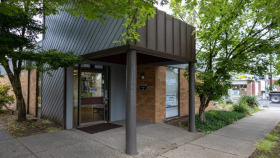
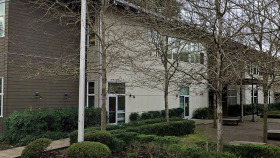
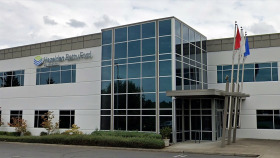
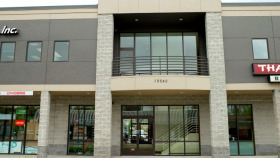
Here are some low-cost and free alcohol and drug rehab options in Hillsboro:
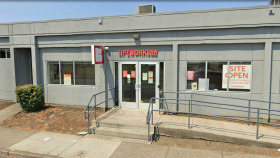
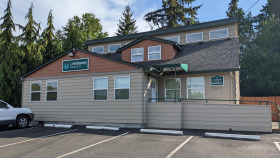
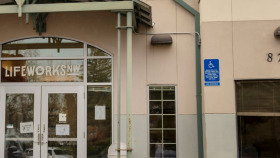
- LifeWorks NW
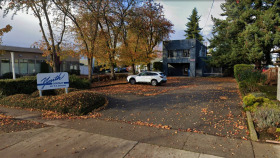
- Bridges to Change
- Sequoia Mental Healt
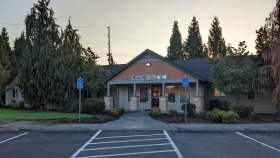
- Fora Health
Private Insurance
If you don’t qualify for (or an unable to) enter into a state-funded rehab or charity rehab, you may still be able to attend rehab for a reduced cost or no out-of-pocket costs to you.
If you have private insurance, you can reduce or eliminate the costs of rehab. This is because private health insurance like Cigna and United Healthcare are required by law to pay for alcohol and drug rehab.
Make sure that you check with your insurance provider to choose an in-network rehab provider and prevent any unnecessary costs.
Medicare
If you don’t have private insurance and you can’t afford to pay for rehab out of pocket, you may still be able to receive rehab at a reduced rate or free if you qualify for Medicare.
Medicare is a health coverage program paid for by the federal government. This health coverage is available to those who are 65 years of age and older. Medicare will pay for both alcohol and drug rehab through licensed rehab centers.
Medicare covers treatments including:5
- Inpatient rehab
- Outpatient rehab
- Medications like methadone
- Partial Hospitalization Programs
- Patient educational materials about substance abuse
- Hospital visits related to drug and alcohol misuse
You can qualify for Medicare through the Social Security Administration.
Oregon Health Plan
You may not be able to qualify for Medicare due to your age. If so, you may be eligible to receive the Oregon Health Plan to pay for your drug and alcohol rehab.
The Oregon Health Plan or OHP is a program funded by the state of Oregon and the federal government that gives health coverage to those who have a low income. The OHP covers the costs of both alcohol and drug rehab. Some of the therapies that the OHP covers includes:6
- Inpatient rehab
- Outpatient rehab
- Medication-assisted treatment
- Detox
- Counseling
- Office visits
- Individual therapy
- Peer support resources
To be eligible for the Oregon Health Plan, you must have a low income, be in need of health coverage, and be a resident of Oregon.
Resources
- Oregon Health Authority Public Health Division. (2022). Opioid Overdose and Misuse.
- UC Davis. (2022). California Good Samaritan Law.
- Oregon-Idaho HIDTA Program. (2022). 2023 Drug Threat Assessment.
- University of Wisconsin Population Health Institute. (2022). County Health Rankings and Roadmaps: Oregon-Washing County.
- Center for Medicare Advocacy. (2022). Medicare Coverage of Mental Health and Substance Abuse Services.
- Care Oregon. (2022). Mental Health Care and Substance Use Treatment.