





Expert Insights
Amid the addiction crisis in this country, it’s always great to hear stories of hope and transformation. A friend of mine told me this heartwarming story they heard at her daughter’s recent commencement ceremony at Bellevue University.
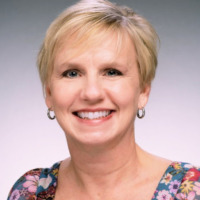
The commencement speech was given by one of her daughter’s classmates, Holly. Looking at the pictures, you’d have no idea that this was a young teen who struggled with drugs, experienced homelessness and lost everything. There she was in this picture, beaming with a smile and looking elated to graduate. It just goes to show that given the right resources and support, anyone can recover from addiction and go on to achieve their dreams.
This young adult now has her whole life ahead of her and must feel like she can achieve anything. It makes me wonder if we invested more resources into supporting teens, then we might not be facing the current addiction crisis in our country. Holly was one of the lucky ones!
Compare 23 drug and alcohol rehab centers in Bellevue, Washington, from medical detox and residential care to outpatient programs across King County’s Eastside. Find facilities that match your insurance, your level of care and the free county and state resources that can help you start today.
How We Rank Listings
Every facility on this page is evaluated against a consistent set of criteria so you can compare options beyond marketing. We prioritize verifiable signals of quality and legitimacy over paid placement.
- Accreditation from recognized bodies such as the Joint Commission and CARF, plus current state licensing through the Washington Department of Health and Health Care Authority.
- Levels of care offered, from medically supervised detox through residential, partial hospitalization, intensive outpatient and standard outpatient treatment.
- Insurance and payment options accepted, including Washington Apple Health (Medicaid), Medicare, private plans, TRICARE, sliding-scale fees and financial assistance.
- Specialized programming for populations such as women, men, veterans, young adults, older adults and people who need co-occurring mental health care.
- Verified contact information and transparency about services, so the details you see reflect what a facility actually provides.
Listings are informational and do not represent an endorsement of any single provider. Confirm current availability, licensing and coverage directly with a facility before enrolling.
Rehab in Bellevue: What to Know
Bellevue is the largest city on King County’s Eastside and the fifth-largest city in Washington, with roughly 154,000 residents living across Lake Washington from Seattle. The 23 rehab centers listed here reflect a treatment landscape shaped by that setting.
The area offers a mix of hospital-affiliated programs, private outpatient clinics and opioid treatment providers, which are concentrated in and around the Bellevue, Kirkland and Redmond corridor. You can also browse the full Washington rehab directory to compare options in nearby cities.
Behavioral health services in Bellevue are coordinated by King County’s Behavioral Health and Recovery Division, which funds publicly available substance use and withdrawal management care for qualifying residents. Overlake Medical Center anchors the local hospital system, and the Bellevue Police Department operates a Community Crisis Assistance Team that connects residents in crisis to detox beds and treatment referrals.
For an overview of how programs fit together, our guide to addiction treatment options explains the differences between each level of care.
Although Bellevue is one of the more affluent cities in the region, the Eastside has not been spared from the synthetic opioid crisis affecting all of King County, where fentanyl now drives the large majority of overdose deaths countywide. In response, the county public health has expanded naloxone distribution, harm reduction vending machines and a 24-hour telehealth line that prescribes buprenorphine.
Understanding fentanyl addiction and overdose risk is a useful starting point for anyone weighing options in the area.
Geographically, Bellevue is a hub for the Eastside, connected to Seattle by the Interstate 90 and State Route 520 floating bridges and served by King County Metro and Sound Transit. That accessibility means residents can reasonably reach programs in Kirkland, Burien, Monroe and Seattle when a specific level of care or specialty is not available within city limits.
Cost of Rehab in Bellevue
The cost of addiction treatment in Bellevue depends on the level of care, program length and whether you use insurance. Because facility-level pricing is not published for every Bellevue provider, the figures below reflect statewide Washington averages, which are a reliable anchor for setting expectations.
Given the higher cost of living across the Eastside, out-of-pocket costs for private-pay programs in Bellevue may sit at or above these state averages.
Most people do not pay these full amounts out of pocket. There are several options to substantially reduce what you owe, including Insurance, Medicaid, sliding-scale fees and financing. Be sure to verify your benefits before you enroll is the most useful step you can take to understand your real cost, and our guide to using insurance for rehab walks through how to do it.





How to Pay for Rehab in Bellevue
All 23 facilities in Bellevue accept some form of payment beyond cash, and most work with multiple funding sources. The grid below shows how many local programs accept each option, followed by details on the coverage types most relevant to Washington residents.






What works for you will largely depend on your coverage and income. The sections below cover the funding types most people in Bellevue ask about.
Medicare
Seven Bellevue facilities accept Medicare, which covers medically necessary addiction treatment for adults 65 and older and for some younger residents with qualifying disabilities. Coverage can include inpatient care, outpatient services and counseling, though the rules for freestanding treatment centers have specific limits worth confirming with a provider before you enroll.
Medicaid
Washington’s Medicaid program is called Apple Health, which provides comprehensive coverage for substance use disorder treatment. Seven Bellevue facilities accept it.
Enrolled members do not need a referral to begin care, so you can contact a treatment agency directly. Covered services include assessment, individual and group counseling, withdrawal management, peer support and medication for opioid use disorder such as buprenorphine. Apple Health also covers medication for opioid use disorder, such as buprenorphine, alongside counseling.
If you are not yet enrolled, you can apply through Washington Healthplanfinder.
Military Benefits
Four Bellevue facilities accept TRICARE, the health program for active-duty service members, retirees and their families. Veterans also have access to the VA Puget Sound Addiction Treatment Center, which provides detox, rehabilitation and psychiatric services for eligible veterans.
See the resources section below for direct contact details and additional support for veterans and military families.
Insurance and Private Pay
Every facility in Bellevue accepts private insurance and self-payment. If you have an employer-sponsored or marketplace plan, substance use disorder treatment is a covered benefit under the Affordable Care Act, though your specific costs depend on your deductible, network and the level of care you need. By confirming your benefits in advance, you can help to prevent any surprises once treatment begins.
Common insurance providers in Washington include:
- Aetna
- Cigna
- Kaiser Permanente
- Premera Blue Cross
- Regence BlueShield
- UnitedHealthcare
- Apple Health (Medicaid)
- Medicare
- TRICARE
Other Low-Cost Options
Five Bellevue facilities offer sliding-scale fees that adjust the price of care to your income, and seven offer some form of financial assistance. Additionally, four programs offer financing so you can spread payments over time.
For people who cannot cover treatment through insurance or income-based options, rehab scholarships and free programs described in the resources section below can help bridge the gap.
Levels of Care Available in Bellevue
Bellevue’s 23 facilities span the full continuum of care, with 11 offering medical detox, 8 offering inpatient rehab and all 23 offering outpatient services. In addition, fifteen programs treat co-occurring mental health conditions alongside substance use. The cards below show what is available locally.




Medical detox provides supervised withdrawal management, often the first step for people with significant physical dependence on alcohol or opioids. Because withdrawal from some substances carries medical risk, supervised detox is designed to keep you safe and comfortable during the earliest and most difficult phase of recovery.
Inpatient rehab offers structured, live-in care with round-the-clock support, typically lasting 30 to 90 days. This level of care suits people with severe substance use disorders or unstable home environments. Our guide to residential treatment describes what a typical stay involves.
Outpatient rehab lets you live at home while attending scheduled treatment, which works well for people with milder dependence, strong support systems or work and family responsibilities. Because all 23 Bellevue programs offer some form of outpatient treatment, it is the most widely available level of care in the city.
Dual diagnosis programs treat substance use and mental health conditions together, which matters because untreated co-occurring depression, anxiety and trauma can frequently drive relapse. Fifteen Bellevue facilities offer this integrated approach.
Several Bellevue providers, including Therapeutic Health Services, offer opioid replacement therapy and MAT. If opioids are the primary concern, medication-assisted treatment combined with counseling has strong evidence behind it. For care that continues after a structured program ends, ongoing rehab aftercare helps protect the progress made in treatment.
Specialty Programs in Bellevue
Many Bellevue facilities tailor treatment to specific populations, which can make care feel more relevant and comfortable. The programs below meet the local availability thresholds for each specialty.







All 23 Bellevue facilities treat alcohol use disorder, and 18 provide dedicated programming for opioid use disorder, reflecting the two substances that account for most treatment admissions in the area. Eighteen programs serve women and 18 serve men in gender-specific tracks, while 17 offer young adult and college student substance use programming for a city with a large early-career population.
Four Bellevue programs provide LGBTQ+ affirming addiction care, and four offer rehab resources for veterans and military members. Three programs are equipped to serve older adults, whose treatment needs often include managing co-occurring health conditions and medications.
Free and Low-Cost Rehab Resources in Bellevue
If cost or insurance is a barrier, Bellevue residents can reach a range of free and low-cost services through King County and Washington State. The resources below are drawn from public agencies and the City of Bellevue’s own Community Crisis Assistance Team referral list.
Be sure to confirm current hours and eligibility directly, since availability can change.
Crisis Lines
- 988 Suicide and Crisis Lifeline
Call or text 988
Free, confidential, 24/7 support during a mental health or substance use crisis. Veterans can press 1 for dedicated support. Learn more about crisis support and suicide prevention resources. - King County Crisis Connections
206-461-3222 or 1-866-427-4747.
A 24-hour regional crisis line for King County residents. - King County Alcohol and Drug Helpline
206-722-3700.
A 24-hour line for substance use questions and referrals.
County and State Referral Lines
- Washington Recovery Help Line
1-866-789-1511.
A 24/7 statewide line offering substance use assessment, referral and emotional support. - King County 24/7 Tele-Buprenorphine Hotline
206-289-0287
An on-demand telemedicine line that can prescribe buprenorphine for opioid withdrawal and connect callers to ongoing care. - SAMHSA National Helpline:
1-800-662-HELP (4357).
A free, confidential, 24/7 treatment referral and information service.
Harm Reduction
- King County Public Health naloxone and fentanyl test strips:
https://kingcounty.gov.
Free naloxone (Narcan) and fentanyl test strips are available through King County vending machines and community sites across the region, including on the Eastside. Order supplies or find locations through Public Health Seattle and King County. - King County Syringe Services Programs:
https://www.kingcounty.gov
Provide sterile supplies, safe disposal, naloxone and connections to treatment and health care.
Free and Low-Cost Treatment Providers
- Sound Mental Health, Bellevue:
https://www.sound.health/
SUD assessment and outpatient treatment, including co-occurring care; accepts Medicaid. - Therapeutic Health Services, Bellevue:
https://ths-wa.org/
425-747-7892. Opioid replacement therapy, outpatient treatment, MAT and detox; accepts Medicaid, private pay and insurance. - Consejo Counseling and Referral Service, Bellevue:
https://www.consejocounseling.org/
Spanish-speaking staff, sliding-fee scale, private insurance and Medicaid. - IKRON:
https://seattle.ikron.org/
SUD assessment and outpatient care; accepts Medicaid and private pay. - Salvation Army Adult Rehabilitation Center, Seattle:
https://www.salvationarmyusa.org/
Free residential work-therapy recovery program - Seattle Union Gospel Mission:
https://www.ugm.org/
Free gender-specific recovery programs with counseling and housing support.
Veterans
- VA Puget Sound Addiction Treatment Center:
https://www.va.gov/puget-sound-health-care/health-services/mental-health-care/
Detox, rehabilitation and psychiatric services for eligible veterans.
Government and Medicaid
- Washington Apple Health (Medicaid):
https://wahealthplanfinder.org/
Covers substance use disorder treatment with no referral required. - King County Behavioral Health and Recovery Division:
https://kingcounty.gov/en/dept/dchs/human-social-services/behavioral-health-recovery/bhrd
Coordinates publicly funded mental health and substance use services for low-income King County residents.
Drug and Alcohol Use Statistics in Bellevue
Bellevue sits within King County, where overdose deaths reached record highs before beginning to decline in 2024. The county figures below provide the clearest available picture of local substance use trends, since city-level overdose data is not reported separately. Fentanyl continues to drive the majority of fatal overdoses across the county, including the Eastside.
The 2024 decline in King County mirrored a statewide drop. In that year, it is estimated that 3,167 people died from opioid overdoses in Washington in 2024, down about 12% from 3,597 in 2023, according to provisional CDC data.
County public health officials caution that the improvement is fragile and that fentanyl potency on the street remains high. For national context on how these local numbers compare, see national substance use statistics.
Resources
- City of Bellevue. (2024). Chemical Dependency Treatment Resources. https://bellevuewa.gov/city-government/departments/police/community-crisis-assistance-team/chemical-dependency-treatment-resources
- Public Health Seattle and King County. (2025). Overdose prevention and response and Get Help. https://kingcounty.gov/en/dept/dph/health-safety/safety-injury-prevention/overdose-prevention-response
- Axios Seattle. (2025). Overdose deaths fall in Washington for first time in years. https://www.axios.com/local/seattle/2025/05/16/washington-overdose-deaths-decline-2024
- KUOW. (2024). Fatal drug overdoses declining slightly in King County after 2023 surge. https://www.kuow.org/stories/fatal-drug-overdoses-declining-slightly-in-king-county-after-2023-surge
- Washington State Health Care Authority. (2025). Substance use treatment and Apple Health (Medicaid). https://www.hca.wa.gov/free-or-low-cost-health-care/i-need-behavioral-health-support/substance-use-treatment
- King County Behavioral Health and Recovery Division. (2025). Substance use services. https://kingcounty.gov/en/dept/dchs/human-social-services/behavioral-health-recovery/substance-use-services
- City of Bellevue. (2025). About Us (population and demographics). https://bellevuewa.gov/discover-bellevue/about-us
- Data Commons. (2022). Bellevue, Washington binge drinking (CDC PLACES). https://datacommons.org/place/geoId/5305210